Youth Activities: What They Are and Why They Matter
When we talk about youth activities, structured programs designed to engage young people outside of regular school hours. Also known as after-school programs, they include everything from science clubs to scouting, drama groups to coding circles. These aren’t just ways to kill time—they’re where teens learn teamwork, leadership, and how to take initiative in real life.
Most youth activities happen through youth organizations, formal or informal groups that bring young people together around shared interests or goals. Think Scouts, 4-H, or even a student-run book club. These groups give structure to free time and help teens build identity beyond grades. What makes them work? It’s not the rules—it’s the people. A good youth organization lets kids lead, fail, try again, and feel like they belong. And when they do, the impact sticks—studies show teens in consistent programs are more likely to stay in school and feel confident about their future. Meanwhile, after-school clubs, student-led groups that meet regularly after classes to explore hobbies or skills. Also known as extracurricular clubs, they’re the most common way teens get involved. Whether it’s gaming, art, or volunteering, these clubs turn casual interest into real commitment. The best ones aren’t run by teachers alone—they’re shaped by the kids who show up every week.
What do these activities actually do? They teach problem-solving when a club runs out of funding. They build communication when a teen has to pitch an idea to the principal. They create belonging when someone who feels out of place finds their group. And they’re not just for the outgoing—quiet kids thrive in book clubs, tech groups, or quiet art sessions. The goal isn’t to turn every teen into a leader. It’s to give them space to find their voice, try something new, and realize they’re capable of more than they thought.
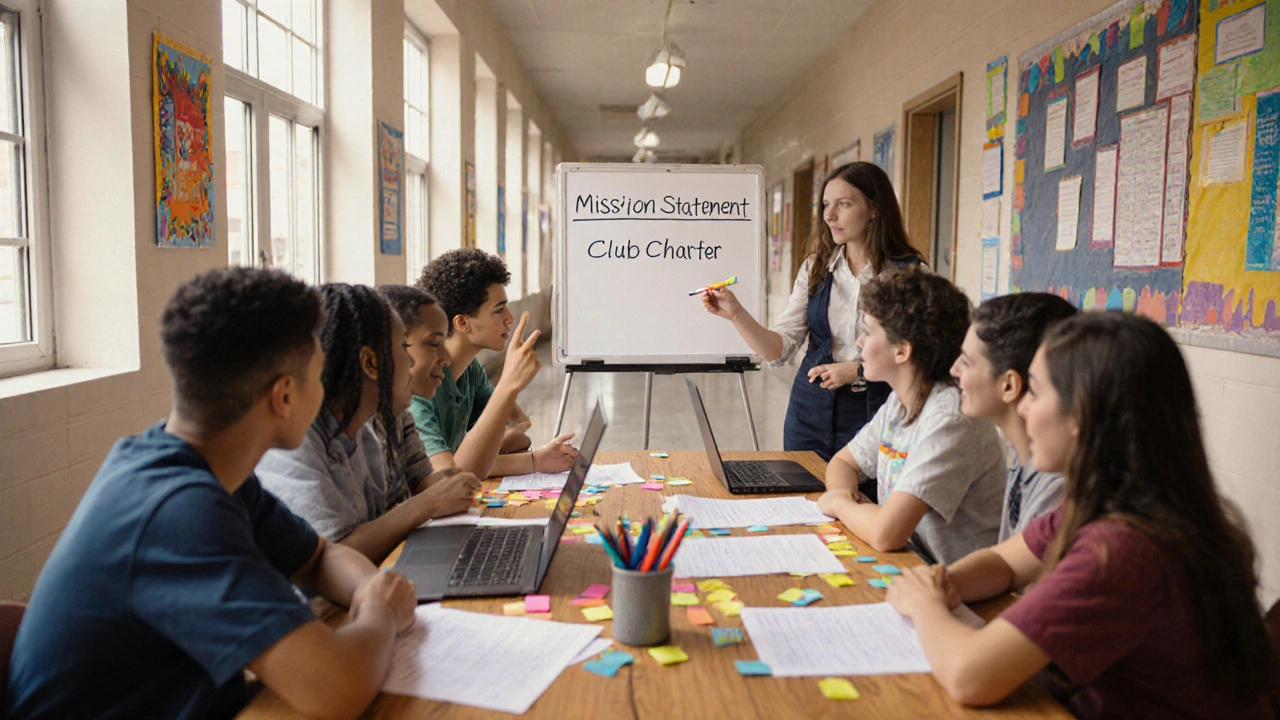
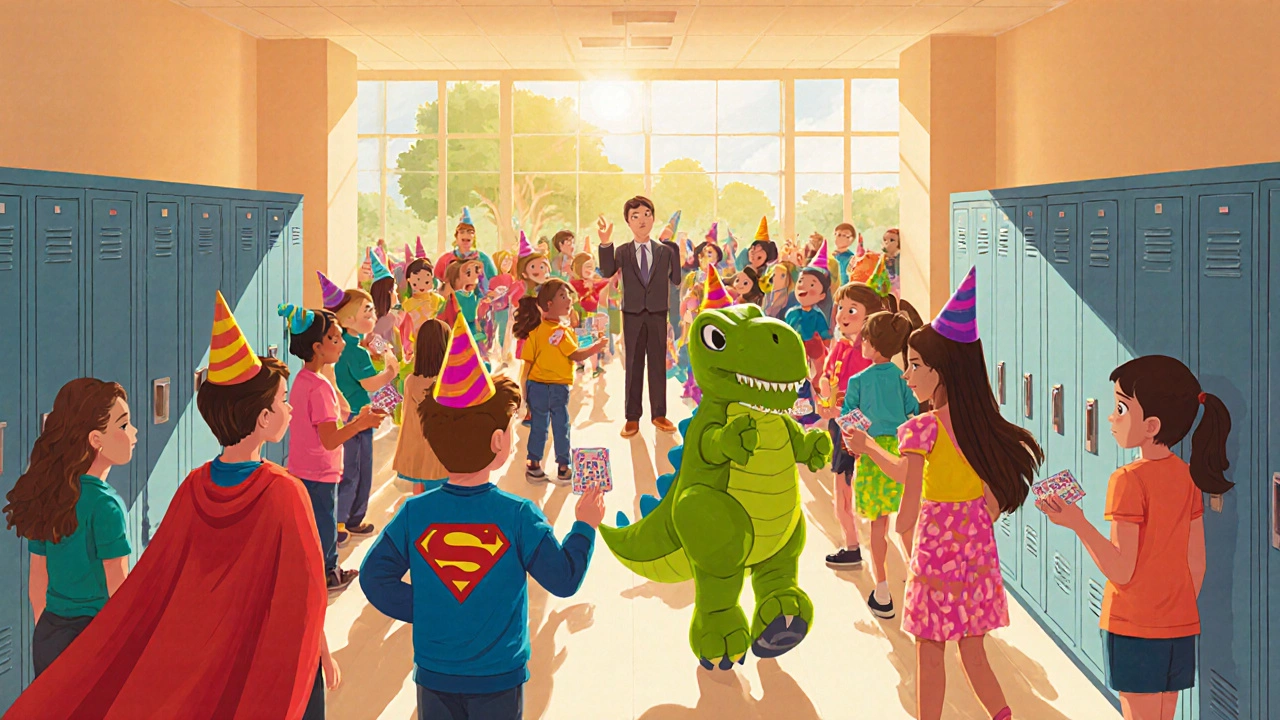
You’ll find posts here that show you how to start a club from scratch, how to make it fun enough that kids actually want to come back, and how to turn a small group into the talk of the school. We cover what works in real life—not theory, not fluff. You’ll see how Wacky Day became a school-wide hit, how Scouts stayed relevant for over a century, and why snacks after school might be the secret weapon your club needs. Whether you’re a student, a parent, or a teacher, this collection gives you the tools to make youth activities matter—because when teens are engaged, everyone wins.