Social Club Value Calculator
Select the type of community that fits your lifestyle.
Niche Digital Community
Expert-led forums (e.g., investing, coding). High engagement, low barrier.
Local Hobby Group
Running clubs, book clubs, workshops. Focus on local connection.
Professional Network
Co-working hybrids, industry masterminds. Career focused.
Luxury Lounge
High-end physical spaces (e.g., Soho House style). Status & amenities.
Analysis Result
Select a club type to see your financial breakdown.
Digital Niche Community
% of your monthly budget used
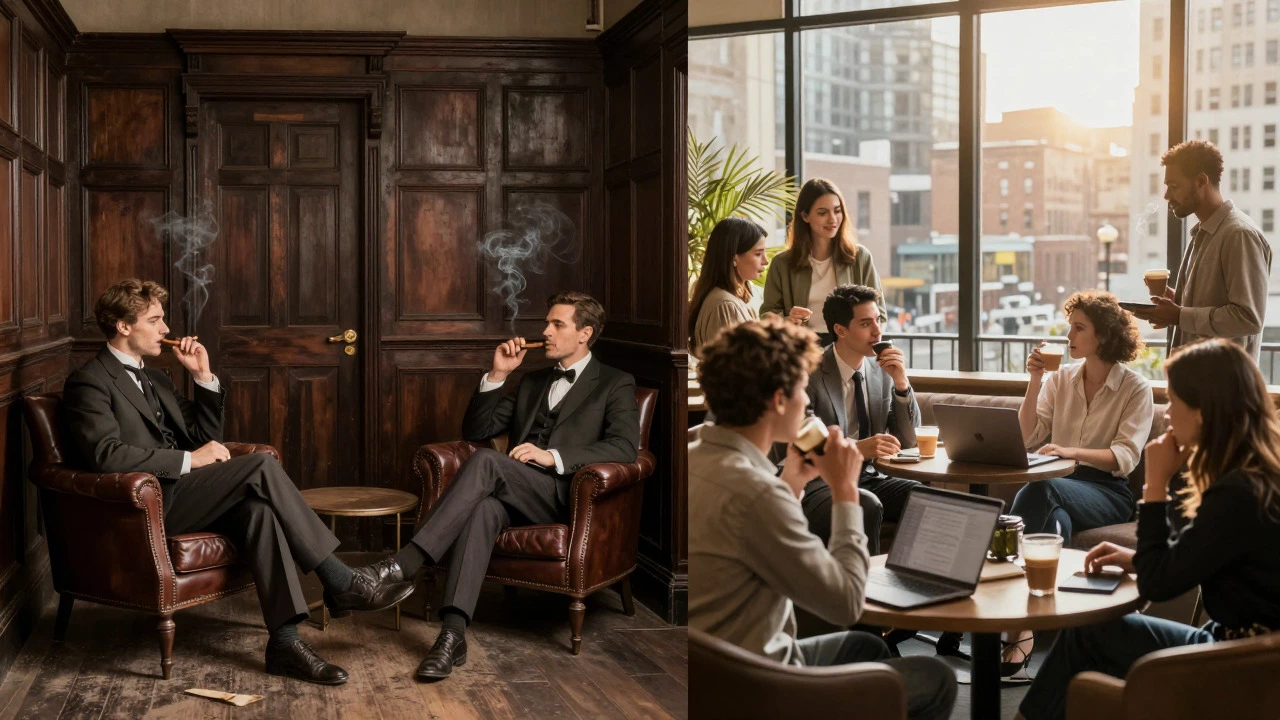
Walk down the street in Sydney or New York today, and you won’t see many people knocking on the doors of old-fashioned gentlemen’s clubs. Those mahogany-paneled rooms with cigar smoke and strict dress codes seem like relics from a movie set. So, are social clubs still around? The short answer is yes, but they have changed shape completely. They aren't just places to drink sherry anymore; they are now powerful economic engines, digital networks, and curated lifestyle hubs.
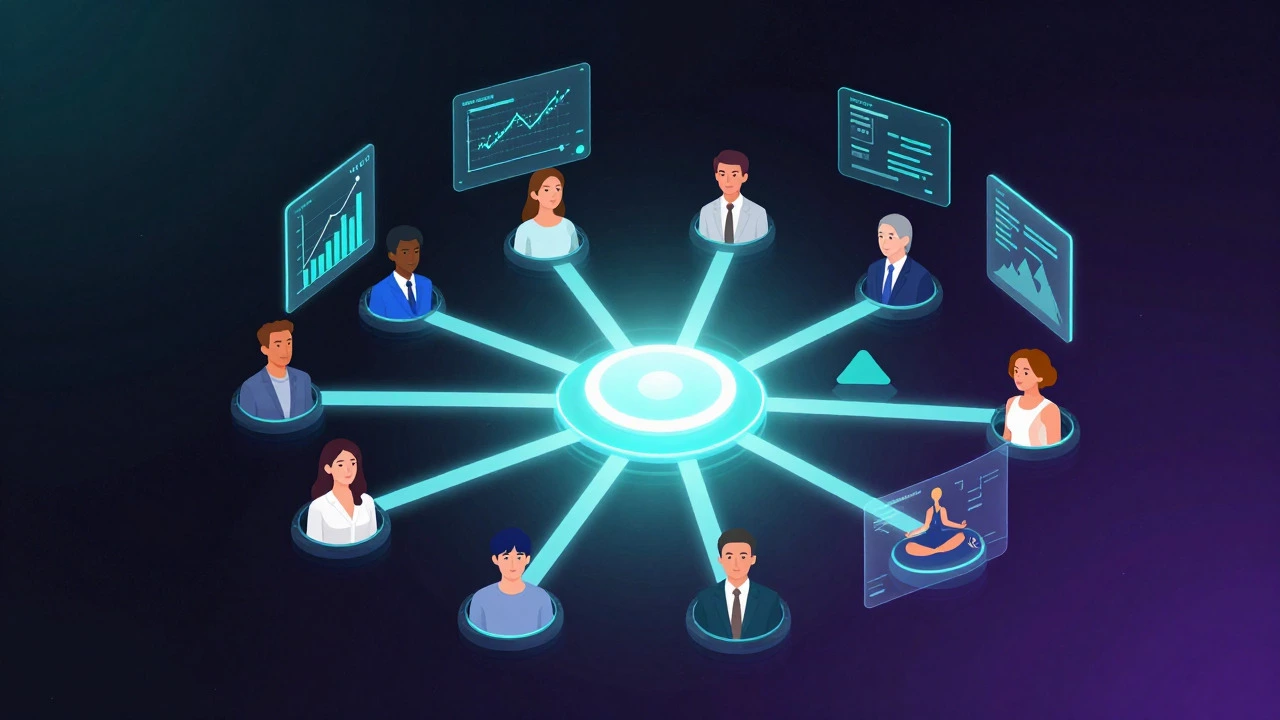
In 2026, the concept of a 'social club' has evolved into what experts call paid communities. These are groups where people pay for access to specific networks, experiences, or identities. From high-end urban lounges to niche online forums, the desire to belong hasn't disappeared-it has just become more expensive and more intentional.
Why did traditional social clubs decline?
Traditional clubs declined due to changing social norms regarding exclusivity and gender, as well as the rise of casual networking through digital platforms and co-working spaces.
The Death of the Old Guard
To understand where we are, we have to look at where we came from. For centuries, social clubs served a very specific function: gatekeeping. In cities like London, New York, and Sydney, these institutions were designed to keep certain people out while connecting others who shared similar wealth, class, or professional backgrounds. Think of the historic Athenaeum Club in London or the Union League Club in Philadelphia.
By the early 2000s, these models were struggling. Society became less hierarchical and more fluid. Young professionals didn't want to be judged by their ties; they wanted collaboration over competition. Furthermore, the internet began to democratize information and connection. Why pay a hefty initiation fee to meet potential business partners when LinkedIn existed? This shift led to a significant decline in membership numbers for traditional, exclusionary organizations.
However, humans are inherently social creatures. We crave belonging. When the old structures crumbled, a new vacuum formed. Entrepreneurs saw an opportunity. They realized that while people rejected *exclusion*, they still valued *curation*. This insight birthed the modern social club movement.
The Modern Pivot: Experience Over Exclusivity
Today's social clubs focus on shared interests rather than shared status. If you look at the landscape in 2026, you'll find two distinct types of thriving social clubs: physical third places and digital membership communities.
Physical clubs have transformed into vibrant hubs. Take Soho House, which started in London and expanded globally. It wasn't about keeping people out; it was about creating a creative sanctuary for artists, writers, and tech founders. Similarly, in Australia, groups like The Workers Trust or local surf clubs have adapted to offer not just swimming or dining, but workshops, wellness retreats, and networking events. The value proposition shifted from 'who you know' to 'what you do together.'
These modern venues often feature:
- Flexible membership tiers (day passes vs. annual subscriptions)
- Programmed events (masterclasses, speaker series)
- Diverse demographics (mixed genders, ages, and professions)
- Focus on wellness and mental health support
This approach resonates because it solves a modern problem: loneliness amidst connectivity. People are online all day but feel isolated. A physical social club offers a 'third place'-not home, not work-where genuine human interaction can happen without the pressure of performance.
The Digital Frontier: Paid Online Communities
If physical clubs are about space, digital clubs are about attention. The biggest growth area in social clubs since 2020 has been online memberships. Platforms like Circle.so, Discord, and Mighty Networks have enabled creators and businesses to build private communities.
Consider a scenario: You are interested in sustainable investing. Instead of reading random blogs, you join a paid community led by a financial expert. For $20 a month, you get weekly Q&A sessions, a private forum to discuss stocks, and access to curated reports. This is a social club. It provides structure, accountability, and peer support.
Why do people pay for this? Because free social media is noisy and often toxic. Paid communities have higher barriers to entry, which filters out trolls and attracts serious members. The 'payment' acts as a commitment device. Members are more likely to engage because they have invested financially. This creates a virtuous cycle of quality content and meaningful connections.
| Feature | Traditional Club | Modern Social Club |
|---|---|---|
| Basis of Membership | Sponsorship & Vetting | Interest & Payment |
| Primary Goal | Networking & Status | Learning & Belonging |
| Demographics | Homogeneous | Diverse & Inclusive |
| Revenue Model | High Initiation Fees | Recurring Subscriptions |
| Platform | Physical Location Only | Hybrid (Physical + Digital) |
Who Is Joining These Clubs?
The demographic profile of social club members has broadened significantly. In the past, these were largely male-dominated spaces for older professionals. Today, women make up nearly half of all paid community members. Millennials and Gen Z are driving the demand for niche groups focused on hobbies like hiking, coding, or plant care.
For example, in Sydney, there are now numerous running clubs that charge a small monthly fee for organized routes, coaching tips, and post-run coffee gatherings. These aren't just about fitness; they are about building friendships. Similarly, remote workers join digital coworking communities to combat isolation, paying for virtual watercooler chats and accountability partners.
Businesses also use social clubs as customer retention tools. Brands like Peloton or Nike offer app-based communities where users share workouts and cheer each other on. This transforms a product purchase into a social identity, increasing loyalty and reducing churn.
Challenges Facing Modern Social Clubs
Despite their popularity, modern social clubs face unique challenges. One major issue is sustainability. Unlike traditional clubs that relied on endowments or real estate assets, many modern clubs operate on thin margins. They must constantly produce fresh content and engaging events to justify recurring fees. If the value drops, members cancel immediately-a phenomenon known as 'subscription fatigue.'
Another challenge is moderation. In digital clubs, maintaining a positive culture requires active management. Without clear rules and engaged moderators, communities can devolve into echo chambers or become overrun by spam. Successful clubs invest heavily in community managers who foster connection and resolve conflicts.
Additionally, there is the risk of gentrification. As some clubs become too popular, they may raise prices, excluding the very people they aimed to serve. This can lead to a loss of authenticity and diversity, undermining the core appeal of inclusivity.

How to Choose the Right Social Club
If you're considering joining a social club, whether physical or digital, ask yourself these questions:
- What is my primary goal? Are you looking for career advancement, hobbyist friends, or personal development?
- Does the culture align with my values? Read reviews or try a trial period to assess the vibe.
- Is the engagement active? Look for signs of regular interaction among members, not just broadcasts from leaders.
- Can I afford it long-term? Ensure the cost fits your budget without causing stress.
Don't feel pressured to join the most expensive option. Some of the most rewarding communities are low-cost or even free, driven by passion rather than profit. Local library book clubs, volunteer groups, and neighborhood associations still thrive and offer deep connections.
The Future of Social Connection
As we move further into 2026 and beyond, the line between social clubs and other forms of organization will continue to blur. Expect to see more hybrid models that combine physical meetups with digital engagement. AI may also play a role, helping to match members with compatible peers based on interests and goals.
Ultimately, social clubs are still around because they fulfill a fundamental human need. We want to be seen, heard, and understood by others who share our passions. Whether it's a sleek lounge in the city center or a private Discord server, the essence remains the same: coming together to create something greater than ourselves.
Are social clubs expensive?
Costs vary widely. Digital communities can range from $5 to $50 per month, while high-end physical clubs may charge hundreds or thousands annually. Many offer tiered pricing to accommodate different budgets.
How do I find a social club near me?
Search for local interest groups on platforms like Meetup, Facebook Groups, or specialized directories. For digital options, explore platforms like Circle or Mighty Networks, or ask industry influencers for recommendations.
Do social clubs help with career growth?
Yes, especially those focused on professional development. They provide networking opportunities, mentorship, and access to industry insights that can accelerate career progression.
Can anyone join a social club?
Most modern clubs are open to anyone who pays the fee and adheres to community guidelines. However, some niche groups may have application processes to ensure cultural fit.
What is the difference between a social club and a hobby group?
While both involve shared interests, social clubs typically have structured membership, regular programming, and a stronger emphasis on community building and networking, whereas hobby groups may be more informal and activity-focused.