Environment: Understanding Environmental Groups and Their Real Impact
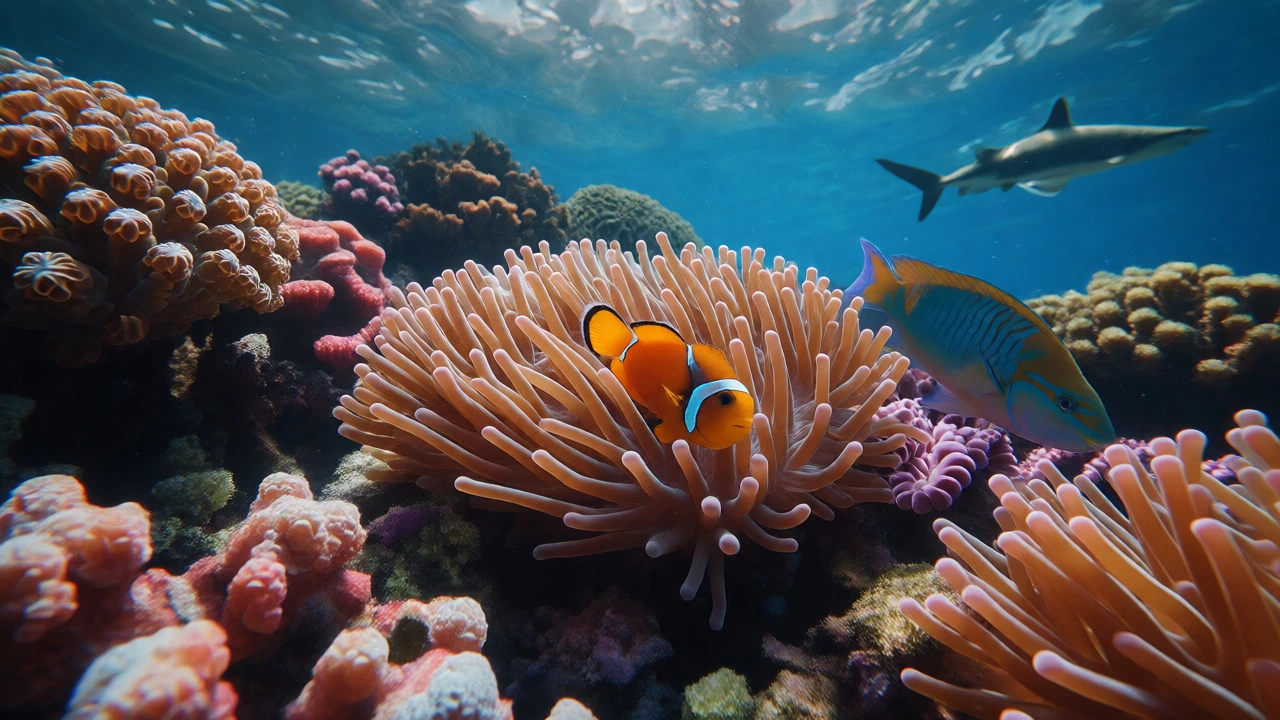
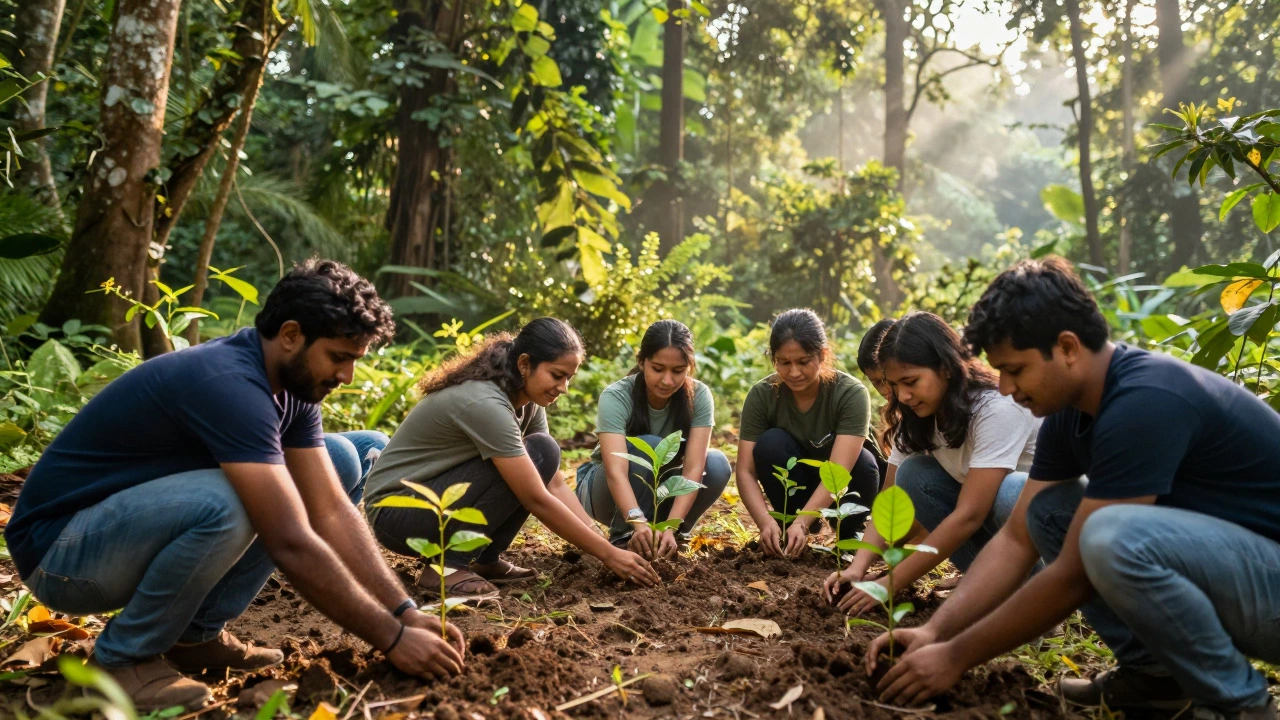
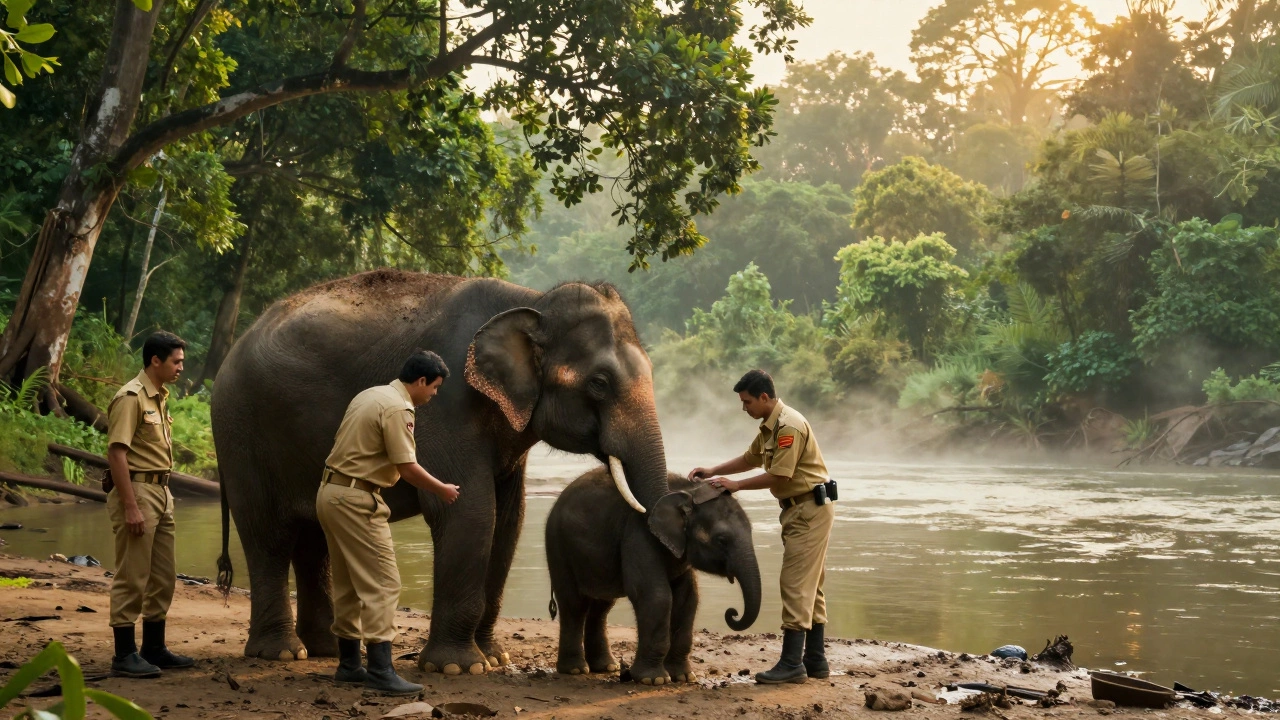
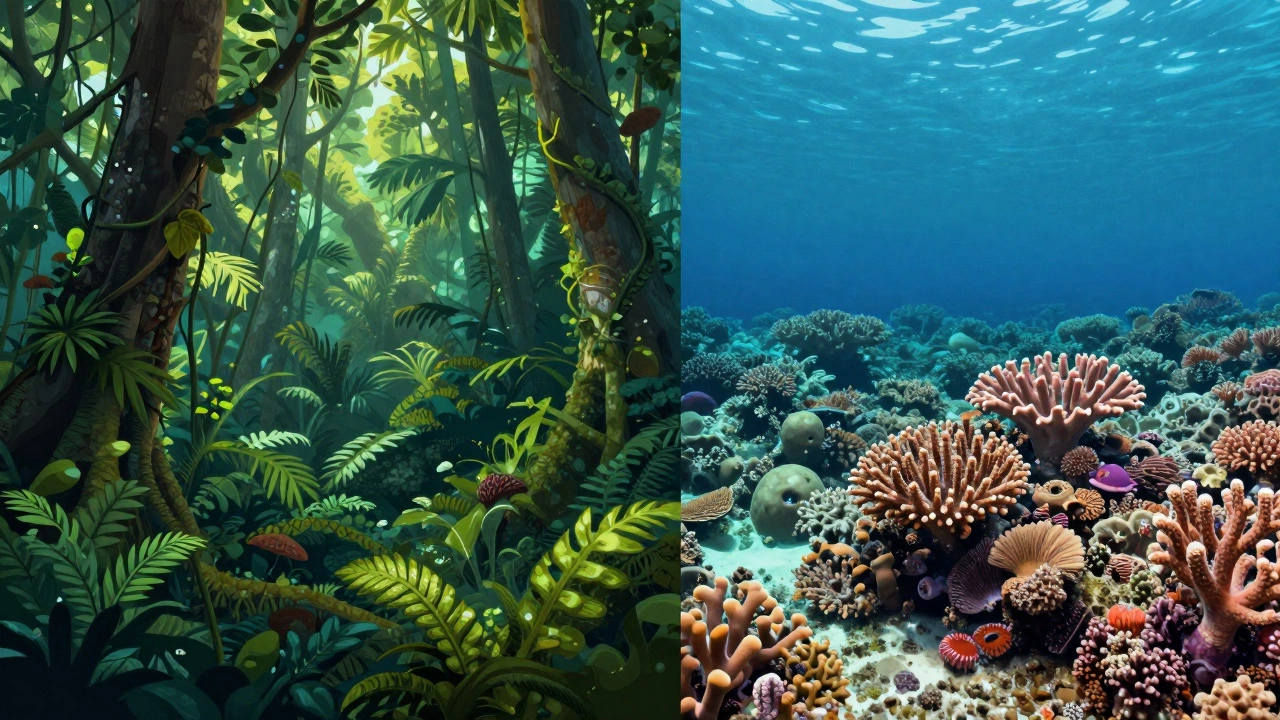
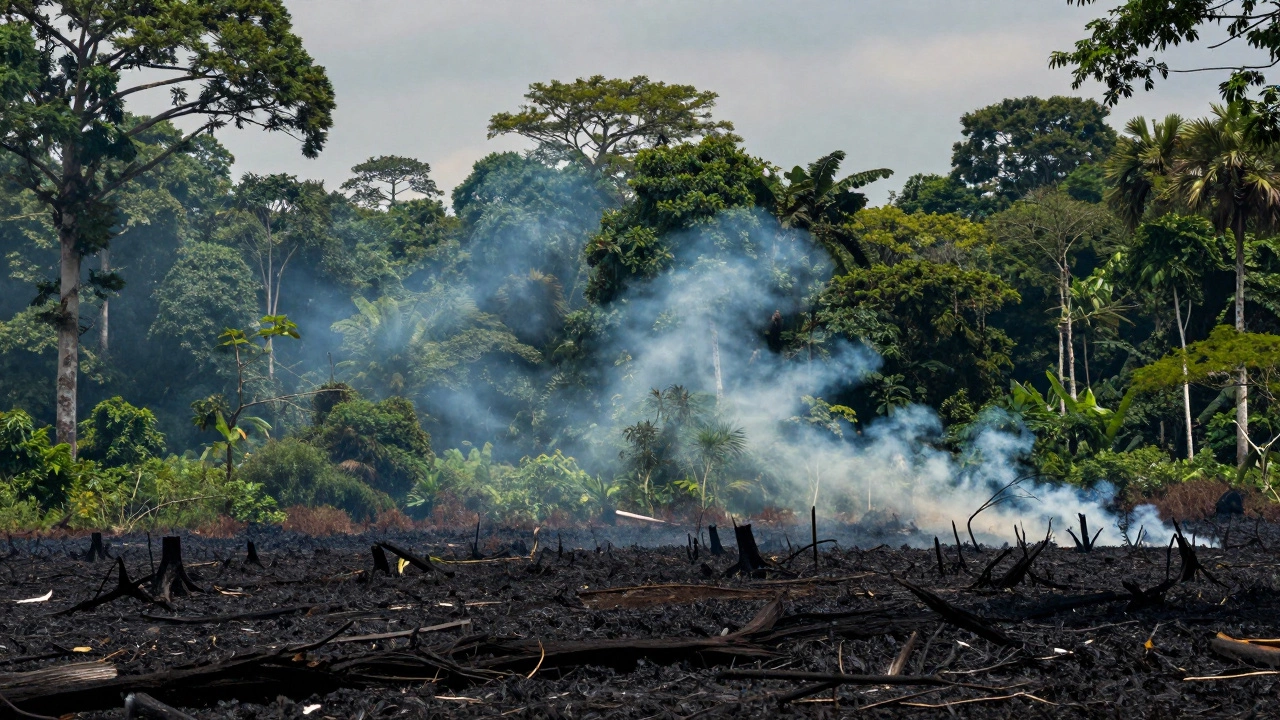
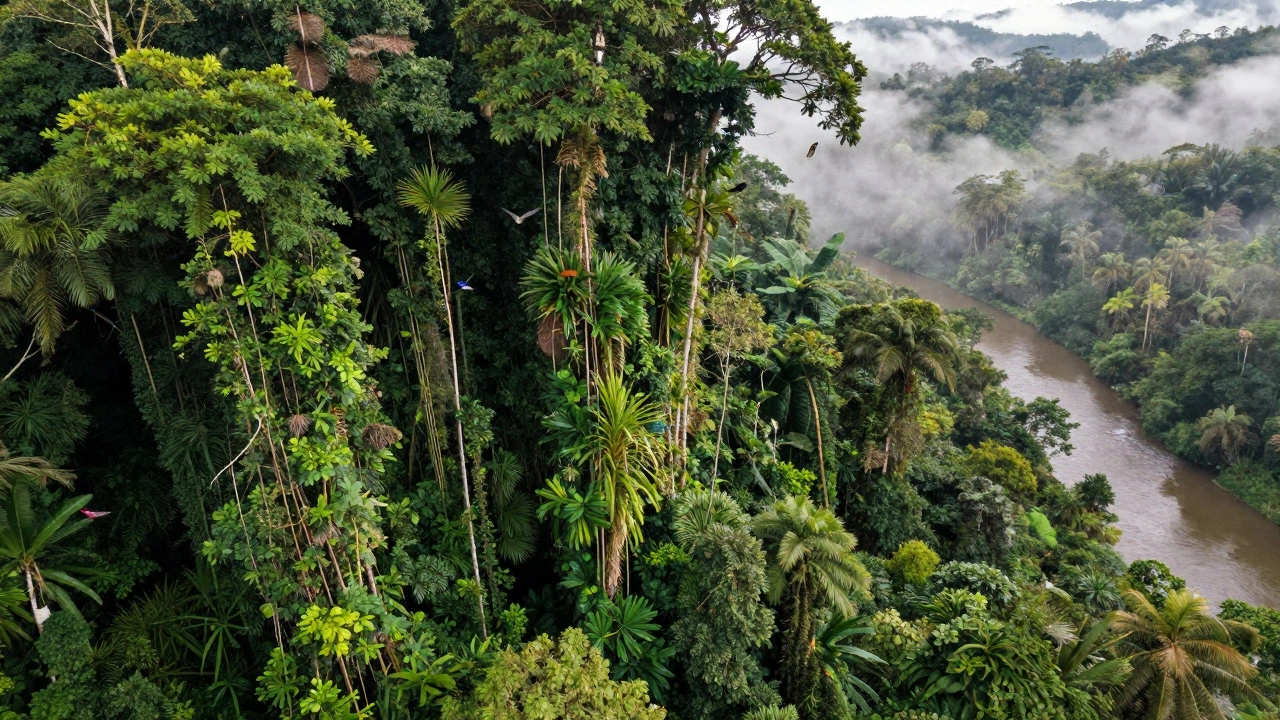
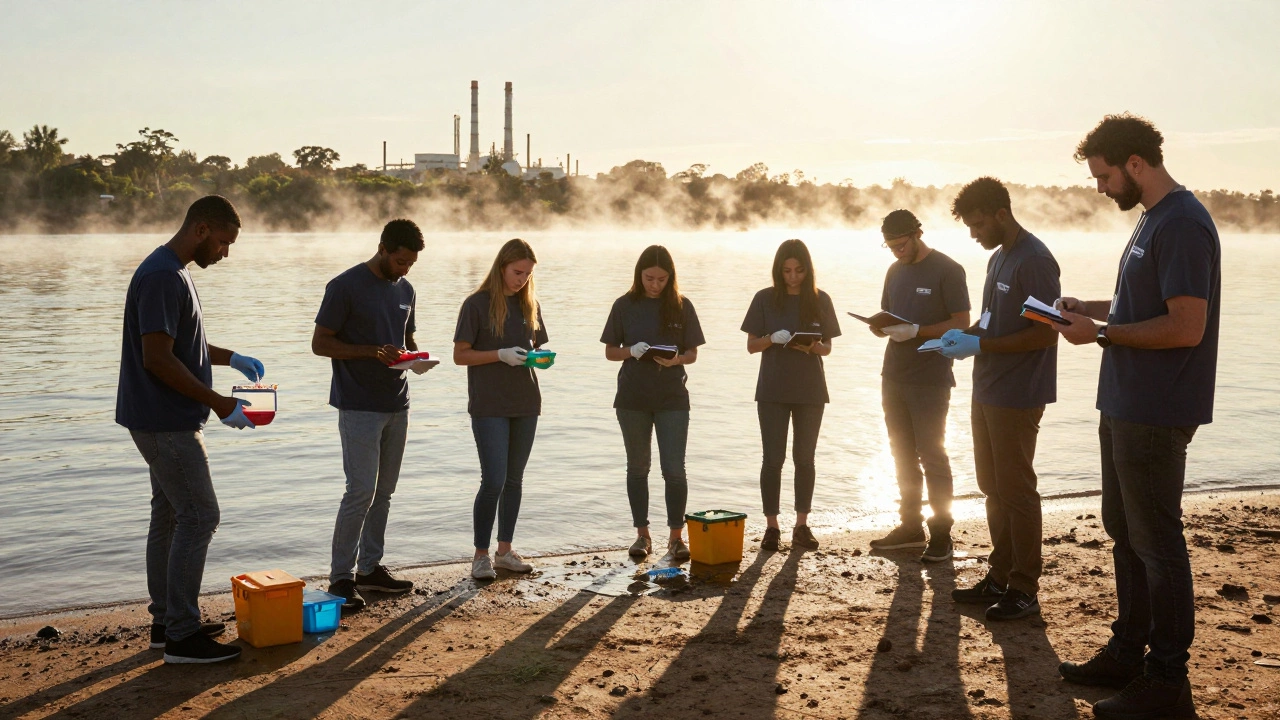
When we talk about the environment, the natural world and human-made systems that support life on Earth. Also known as the natural world, it includes everything from forests and oceans to the air we breathe and the cities we live in. This isn’t just about trees and wildlife—it’s about how these systems affect your health, your mood, your community, and your future. The environmental groups, organizations dedicated to protecting and restoring natural systems through advocacy, education, and direct action are the ones turning awareness into action. They don’t just hold signs—they restore wetlands, push for clean energy laws, train local volunteers, and call out polluters. These groups are the bridge between what we know is wrong and what we can actually fix.
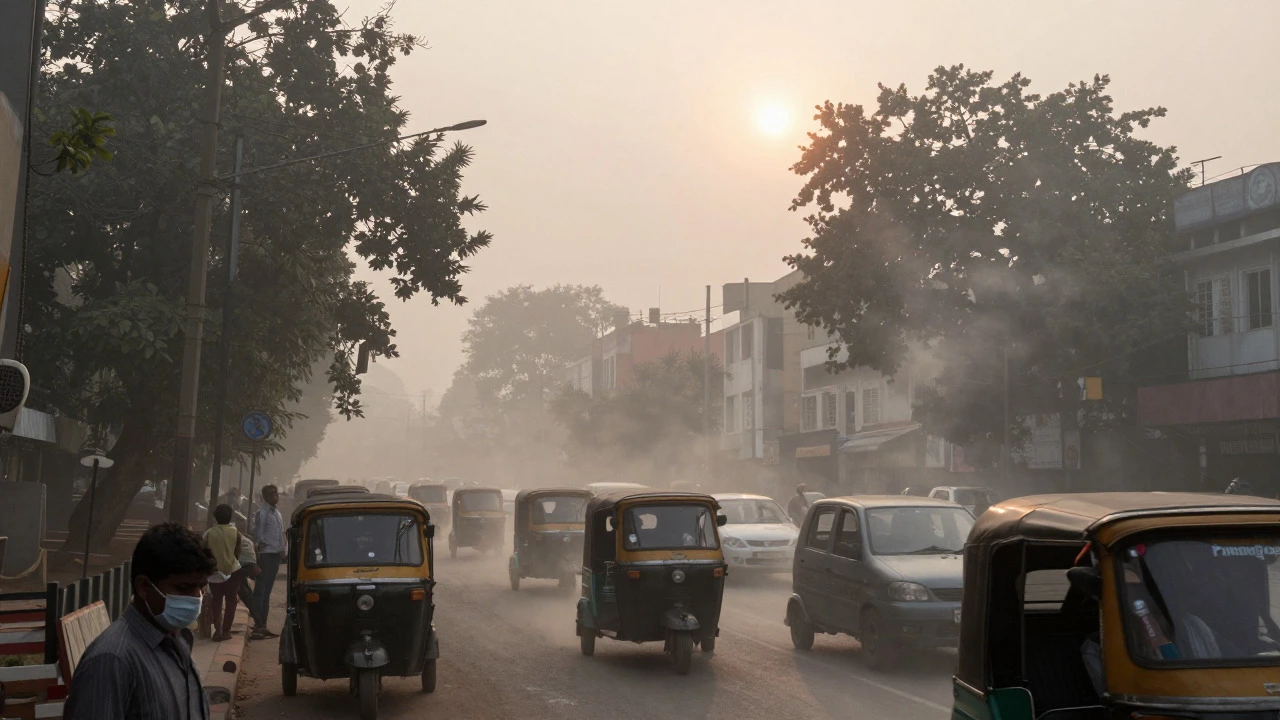
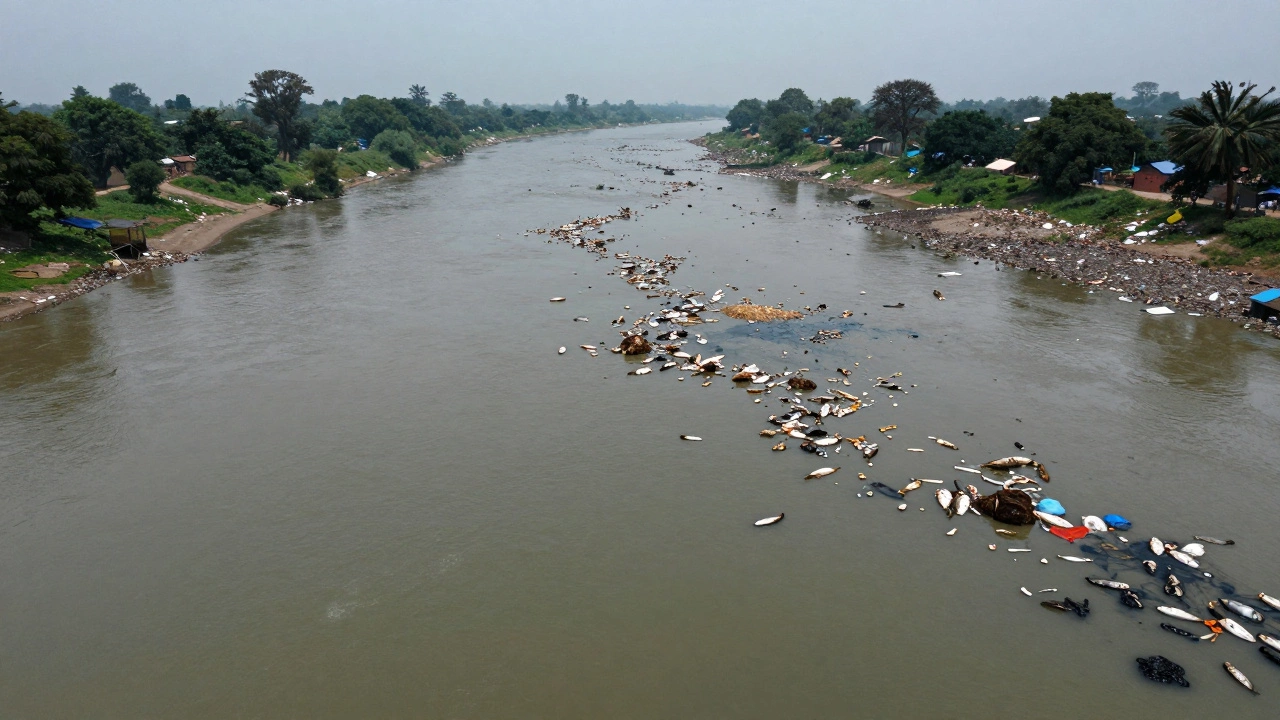
There are different kinds of these groups, and they work in different ways. Some, like Greenpeace, a global nonprofit known for bold direct actions to stop environmental destruction, use high-profile campaigns to grab attention. Others, like the Sierra Club, one of the oldest and largest environmental organizations in the U.S., focused on grassroots organizing and policy change, build long-term power through membership and lobbying. Then there are local groups you’ve never heard of but who are saving your neighborhood river or fighting a toxic landfill right down the street. These groups all fall under the broader umbrella of environmental advocacy, the practice of influencing public policy and behavior to protect the environment. And it’s not just about saving nature—it’s about protecting people too. Poor air quality, heat islands in cities, and contaminated water don’t just hurt ecosystems—they hurt children’s lungs, seniors’ hearts, and workers’ livelihoods. That’s why conservation, the protection and sustainable use of natural resources isn’t a luxury. It’s a basic need.
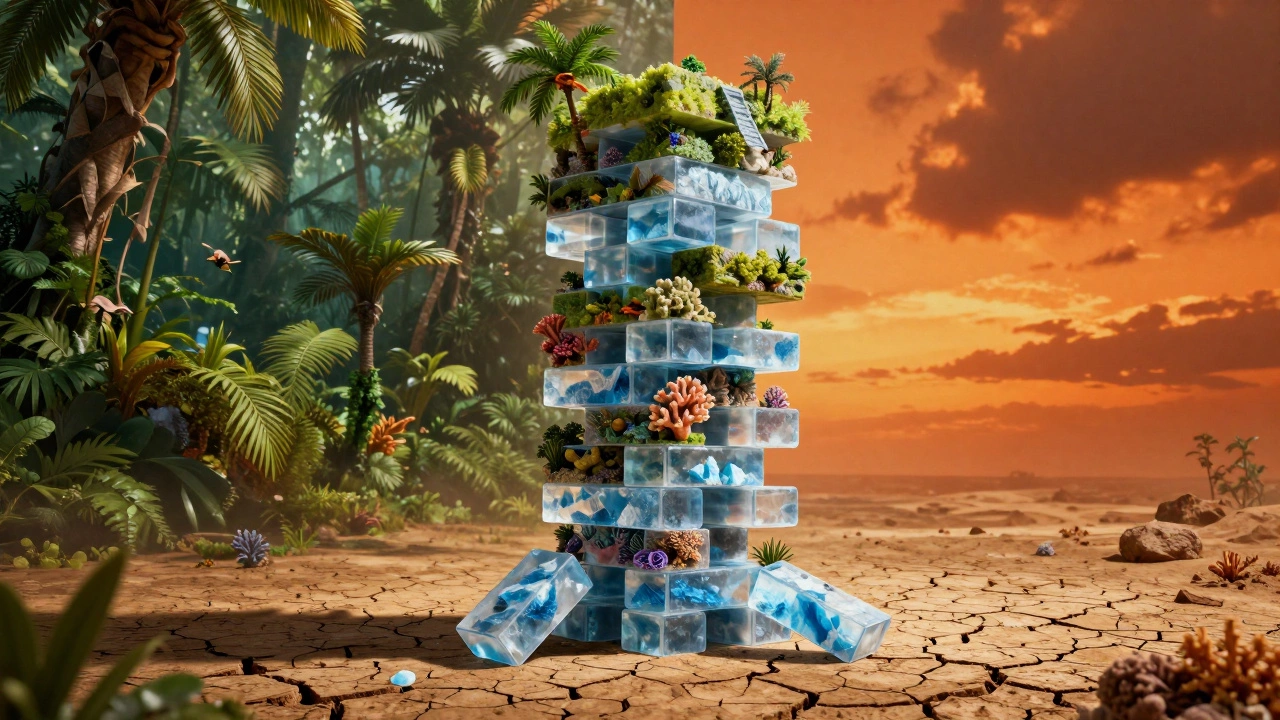
You’ll find articles here that break down who these groups really are, what they’ve actually done, and how you can tell which ones are worth your time or money. We’ll look at the biggest names, the quiet heroes, and the scams hiding behind green logos. You’ll learn how the four main environments—land, water, air, and human-made spaces—shape everything around you. And you’ll see how your own surroundings might be quietly affecting your stress levels, sleep, and even your productivity. This isn’t theory. It’s real stuff happening right now, in your town, in your neighborhood, in your lungs. What you read here will help you understand what’s out there, who to trust, and how to act—whether you’re donating, volunteering, or just talking to your neighbor about it.