Volunteering: What It Is, Why It Matters, and How to Get Involved
When you give your time to help others without pay, you’re taking part in volunteering, the act of offering time, skills, or resources to support a cause or community without financial reward. Also known as community service, it’s one of the most direct ways to create change where it’s needed most. But volunteering isn’t just about showing up at a food bank or cleaning up a park. It’s a system—built on trust, consistency, and real impact—that keeps local organizations alive. And right now, that system is under strain.
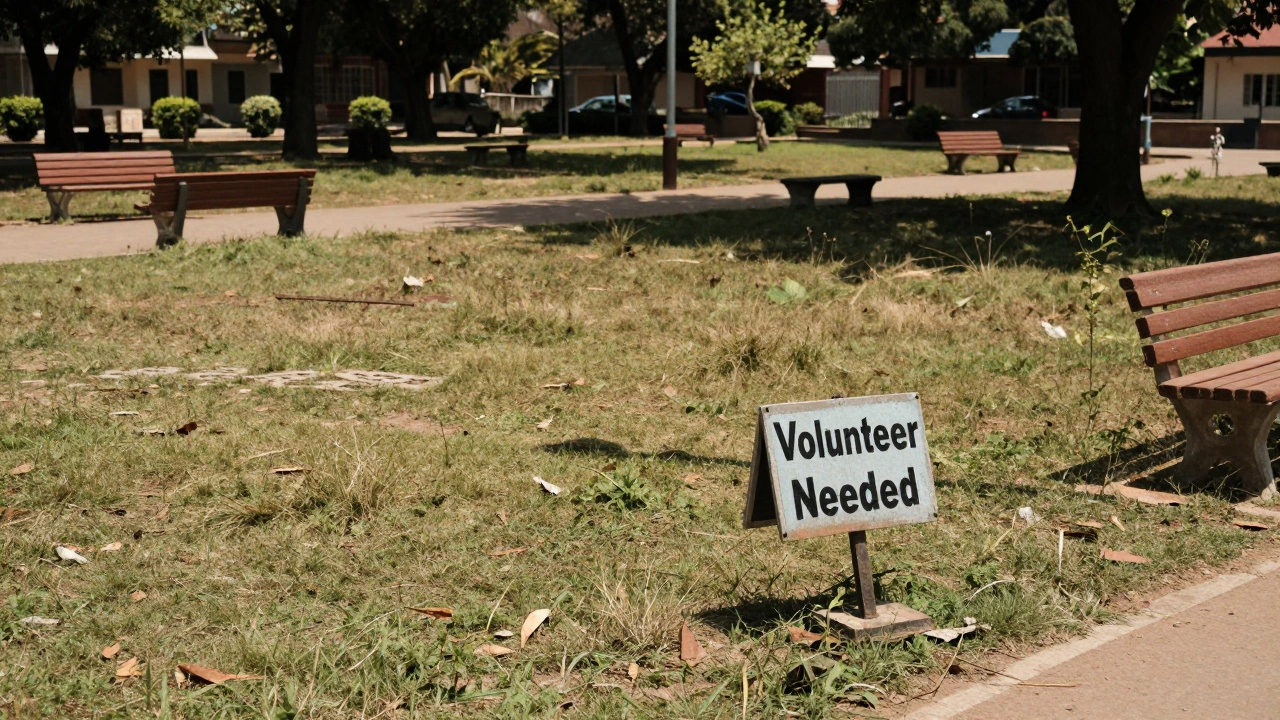
There’s a volunteer shortage, a growing gap between the need for help and the number of people willing or able to give time. Also known as community service decline, this isn’t just a nonprofit problem—it affects schools, shelters, animal rescues, and neighborhood events. Why? People are stretched thin, unsure where to start, or confused about how to prove their efforts count. Meanwhile, others are finding new ways to help, like virtual volunteering, offering skills like writing, design, or tutoring online from home. Also known as online volunteering, it’s reshaping how people connect with causes without leaving their couch.
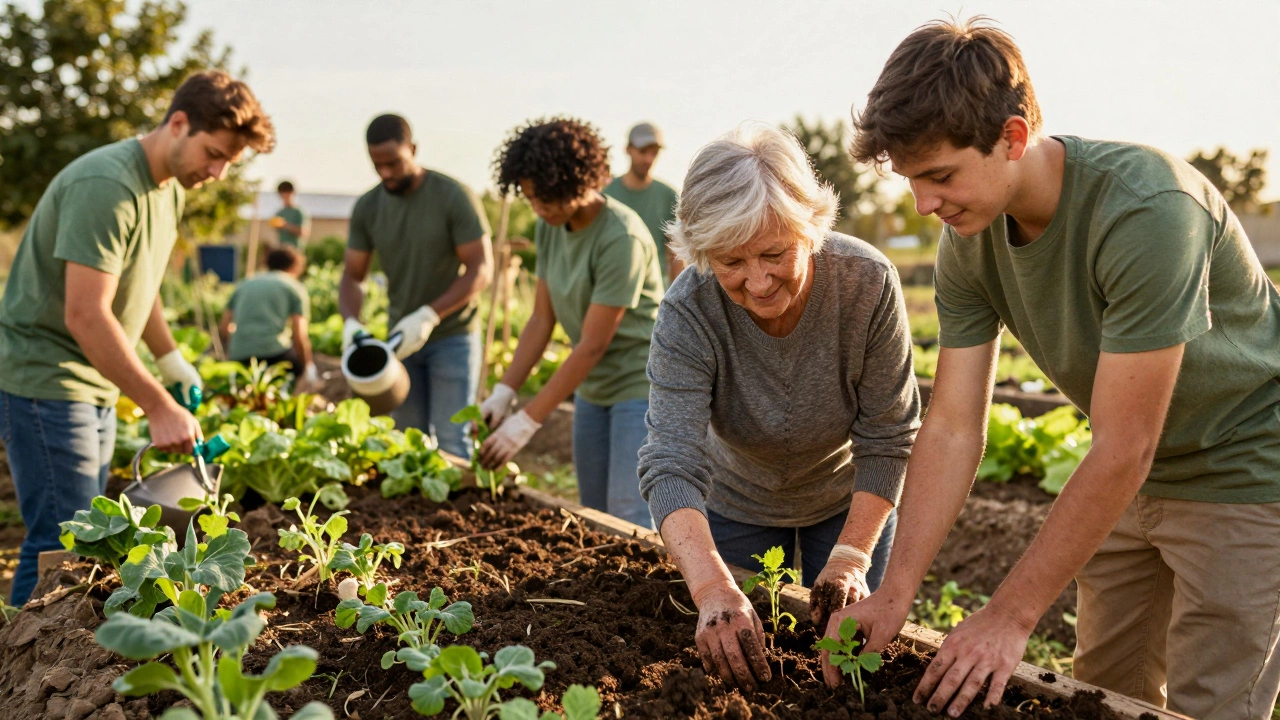
Who volunteers? It’s not just retirees or college students. Women still lead in numbers, but men are stepping up in new ways. Teens are organizing fundraisers. Older adults are mentoring remotely. And then there are the serial volunteers, people who don’t just help once—they make giving back a regular part of their life. Also known as dedicated volunteers, they’re the quiet backbone of many organizations, often going unnoticed because they never ask for recognition. But even they need support. If you’ve ever wondered how to prove you volunteered for a job or visa, or if your skills can help from home, you’re not alone. The questions are real: Is it worth it? Who’s really doing this? Why do some people resist it? And what if you don’t have hours to spare?
This collection cuts through the noise. You’ll find clear guides on how to get your volunteer status verified with certificates and letters. You’ll see surprising data on who volunteers most by age, gender, and race—and why those patterns matter. You’ll learn about the three real ways to give: time, talent, and treasure. You’ll see why virtual volunteering isn’t just a trend—it’s a lifeline for nonprofits. And you’ll meet the people who volunteer so much, they’ve earned their own name.
Whether you’re looking to start, prove, or just understand volunteering better, the articles below give you the facts—not the fluff. No hype. No guilt. Just what works, what’s changing, and how you can be part of it—even if you think you don’t have enough to give.