
Low Income Housing Accessibility Estimator
Key Metrics Breakdown
Wait Time
Avg. time to receive voucher
List Frequency
How often lists open
Landlord Acceptance
Willingness to accept vouchers
Accessibility Score
West Virginia Analysis
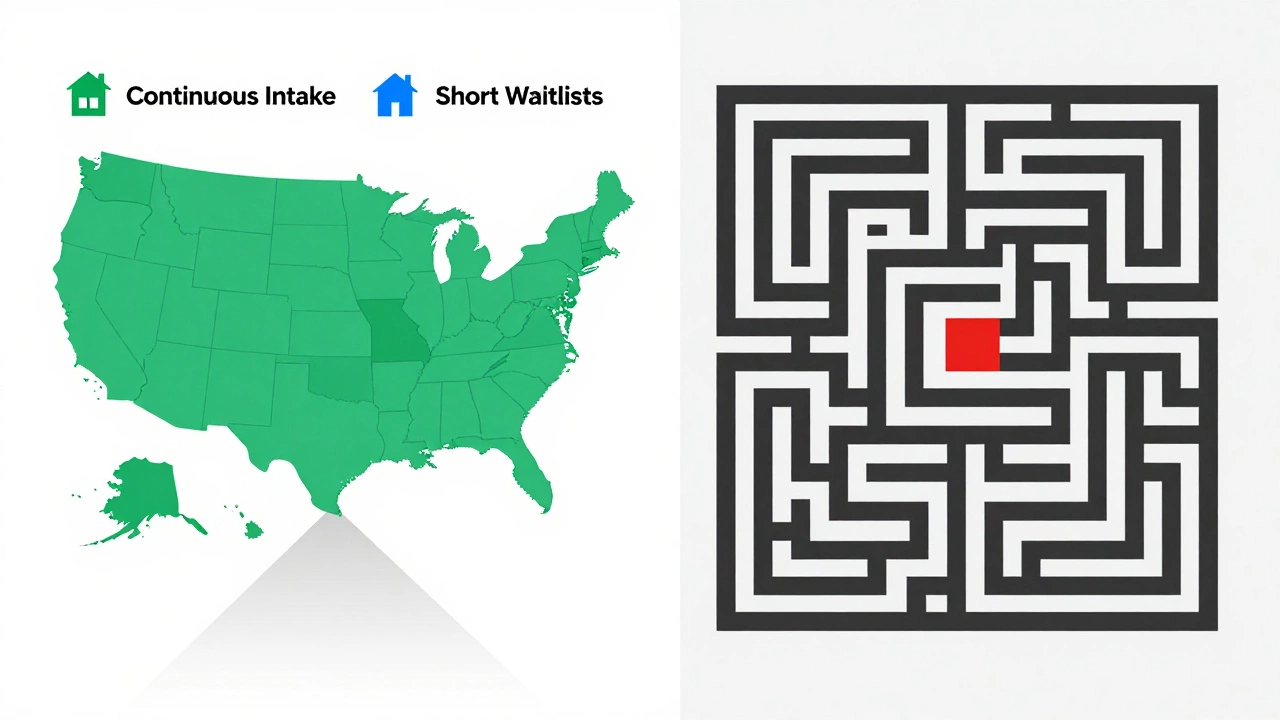
West Virginia consistently ranks among the most accessible states due to lower population density and continuous intake systems.
It is a harsh reality that finding stable, affordable shelter often feels like winning the lottery. You might assume that states with lower costs of living automatically mean easier access to low income housing. The truth is much more complex. While rent prices are lower in some regions, the demand for government assistance there can be so high that waitlists stretch for decades. Conversely, states with higher overall rents sometimes have more robust funding mechanisms and faster processing times for those who qualify.
If you are looking for the "easiest" path to securing subsidized housing, you need to look beyond just the price tag on an apartment. You must evaluate three critical factors: the length of the waiting list, the availability of active intake periods, and the ratio of vouchers issued to applications received. In 2026, the landscape has shifted slightly due to recent federal adjustments and local policy changes, making certain states significantly more accessible than others.
Understanding the Metrics of Accessibility
To determine which state offers the best chance for success, we first need to define what "easy" actually means in this context. It does not mean that anyone can get housing; it means the system is responsive and transparent. The primary vehicle for low-income housing assistance in the United States is the Housing Choice Voucher program, commonly known as Section 8. This federal program helps low-income families pay rent in the private market. However, the distribution of these vouchers is managed by local Public Housing Agencies (PHAs).
The key metric here is the "waitlist status." Most PHAs do not accept applications year-round. Instead, they open their waitlists for a short period-sometimes just a few days or weeks-once every several years. If you miss that window, you could wait another decade. Therefore, the "easiest" states are those where PHAs frequently open their lists or maintain shorter average wait times. According to data from the U.S. Department of Housing and Urban Development (HUD), states with lower population densities and less centralized urban pressure often see faster turnover rates.
Top Contenders for Easier Access in 2026
Based on current waitlist trends, vacancy rates, and PHA responsiveness, several states stand out as having more navigable systems for applicants. These are not necessarily the cheapest places to live, but they offer the highest probability of receiving a voucher within a reasonable timeframe.
West Virginia
West Virginia consistently ranks among the most accessible states for public housing assistance. The state has a relatively small population compared to its number of allocated vouchers. Many local PHAs in counties like Kanawha and Cabell keep their waitlists open for longer periods or use a continuous intake system. Because the cost of living is low, landlords are often willing to accept voucher holders, reducing the friction after you receive the assistance. The average wait time in many jurisdictions is under two years, which is remarkably fast compared to national averages.
Oklahoma
Oklahoma presents another strong option. Cities like Tulsa and Oklahoma City have seen improvements in their housing stock and administrative efficiency. The state’s PHAs tend to have shorter waitlists because the overall demand, while high, is balanced by a steady supply of older housing units that fit the fair market rent caps. Additionally, Oklahoma has fewer restrictive zoning laws in suburban areas, making it easier for voucher holders to find landlords who will accept them. This flexibility reduces the "paper approval" phase where many applicants get stuck.
Iowa
Iowa is often overlooked, but it offers a surprisingly efficient system. The state has a strong rural housing initiative that complements traditional urban vouchers. Rural development grants help create new affordable units, increasing the total inventory. For applicants, this means less competition per available unit. PHAs in Iowa generally have clear communication channels and predictable opening dates for their waitlists. If you are willing to live in smaller towns or rural communities, your chances of securing housing quickly improve dramatically.
Kentucky
Kentucky, particularly in regions outside of Louisville, has seen increased investment in housing rehabilitation. This has led to a rise in available units that meet HUD standards. The state’s PHAs have streamlined their application processes, moving towards digital-first systems that reduce errors and speed up verification. With a moderate cost of living and a growing number of dedicated affordable housing complexes, Kentucky offers a balanced approach to accessibility.
States to Approach with Caution
While no state is impossible, some require significantly more patience and strategy. California, New York, and Massachusetts are notorious for extremely long waitlists. In cities like Los Angeles or New York City, the wait for a Section 8 voucher can exceed ten years. Even if you get on the list, the likelihood of reaching the top before your circumstances change is slim. These states have high demand and limited federal funding relative to the population size. Unless you have a specific preference score (such as being homeless or fleeing domestic violence), general admission is highly competitive.
| State | Avg. Wait Time | Waitlist Frequency | Landlord Acceptance Rate |
|---|---|---|---|
| West Virginia | 1-2 Years | Frequent/Continuous | High |
| Oklahoma | 2-4 Years | Moderate | Medium-High |
| Iowa | 2-3 Years | Predictable | High |
| California | 5-10+ Years | Rare | Low |
| New York | 5-10+ Years | Rare | Low-Medium |
The Role of Local Policies and Preferences
Even within an "easy" state, your success depends heavily on local rules. Most PHAs give priority points to certain groups. Common preferences include:
- Homelessness: If you are currently without permanent housing, you may jump to the front of the line.
- Domestic Violence Victims: Special protections allow for expedited processing.
- Local Residency: Many agencies prioritize residents who have lived in the county for a set period, such as six months or a year.
- Elderly or Disabled: Some programs are exclusively for seniors or individuals with disabilities, offering separate, often shorter, waitlists.
Understanding these preferences is crucial. If you move to West Virginia specifically to apply, you may face a residency requirement that delays your eligibility. Always check the specific PHA website for the county you intend to live in. Do not rely on statewide generalizations alone.
Navigating the Application Process
Getting on the list is only half the battle. Once accepted, you must remain eligible and actively search for housing. Here is how to maximize your chances once you are on a waitlist:
- Keep Your Information Updated: PHAs regularly purge outdated contact information. If you move or change your phone number, update your profile immediately through their online portal or by calling.
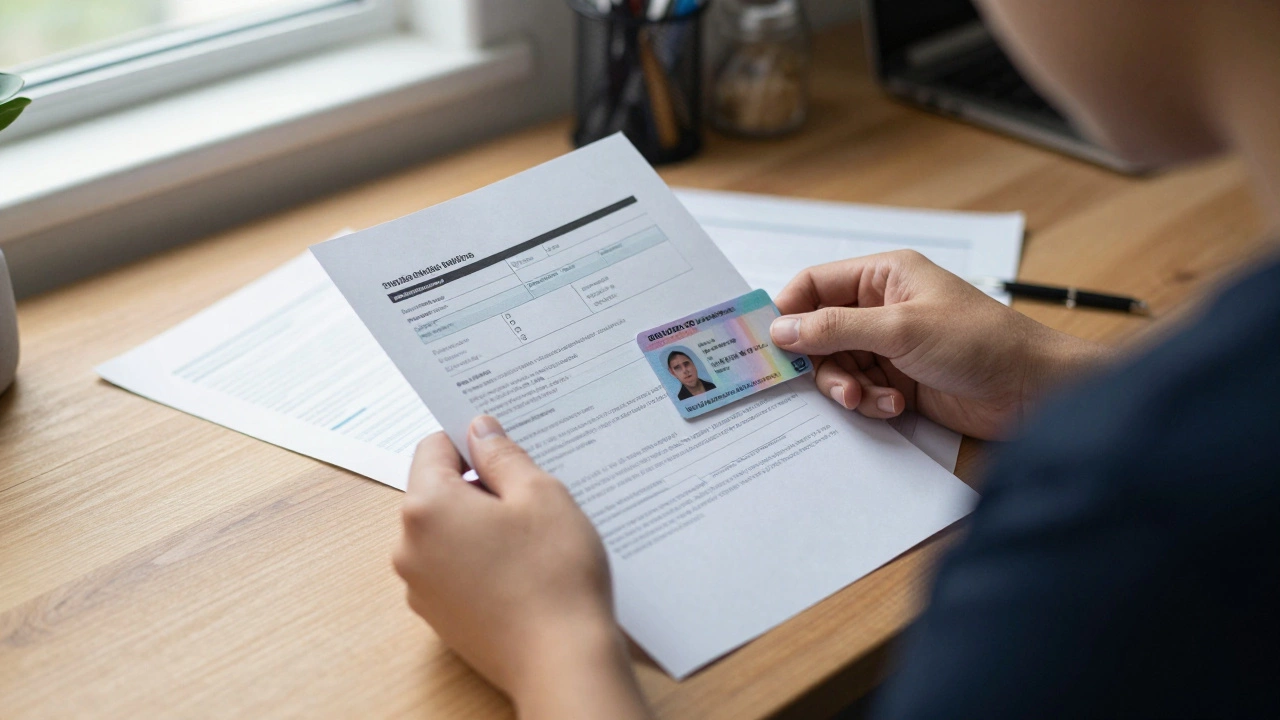
- Prepare Your Documents Early: When your name reaches the top, you will need proof of income, citizenship, and household composition. Having these ready speeds up the final inspection and lease signing.
- Expand Your Search Radius: Vouchers are portable. You can use a voucher from one PHA in a neighboring county or even state. Sometimes, applying in a nearby area with a shorter waitlist is a smarter strategy.
- Be Flexible with Timing: Applications often open at midnight on a specific day. Set reminders and submit early to avoid technical glitches.
Alternatives to Traditional Public Housing
If the wait for Section 8 seems too long, consider alternative pathways. Project-Based Rental Assistance is attached to specific buildings rather than given to individuals. These units often have their own application cycles, which may be more frequent than the general voucher waitlist. Additionally, some states offer State-Specific Housing Programs funded by local taxes or bonds. For example, Texas has the HOME Investment Partnerships Program, which funds affordable developments. Checking with local non-profits and community action agencies can reveal opportunities that are not part of the federal HUD system.
Final Thoughts on Strategy
There is no single "easiest" state for everyone. The best choice depends on your personal constraints: where you can work, where your family is, and how mobile you are. West Virginia, Oklahoma, Iowa, and Kentucky offer statistically better odds due to lower competition and more responsive agencies. However, the most important factor is persistence. The system is designed to be challenging, but with careful research, timely applications, and an understanding of local preferences, you can secure the stability you need.
What is the fastest way to get Section 8 housing?
The fastest way is to qualify for a priority category, such as homelessness or domestic violence victim status. Additionally, applying in states or counties with continuous waitlists or shorter average wait times, like West Virginia or Iowa, significantly reduces the delay. Staying on top of your application updates and expanding your search to neighboring jurisdictions also speeds up the process.
Can I move to another state to get low income housing?
Yes, but you must check the residency requirements of the new Public Housing Agency (PHA). Many agencies require you to live in the county for a minimum period, such as six months or a year, before you can apply. Moving solely to apply may result in rejection if you do not meet these local criteria.
Why are waitlists so long in some states?
Waitlists are long due to a mismatch between demand and funding. In high-population states like California and New York, the number of eligible families far exceeds the number of vouchers provided by the federal government. Additionally, landlord reluctance to accept vouchers in these high-rent markets further limits the effective supply of housing.
How do I find out when my local PHA opens its waitlist?
You should visit the official website of your local Public Housing Agency. Most PHAs post announcements about waitlist openings on their homepages. You can also sign up for email alerts or newsletters from local housing non-profits and community action agencies, which often share these dates.
What documents do I need to apply for low income housing?
Typical required documents include proof of identity (driver's license or birth certificate), proof of citizenship or eligible immigration status, Social Security numbers for all household members, and documentation of income (pay stubs, tax returns, or benefit statements). Requirements can vary by agency, so always check the specific checklist provided by the PHA.