Food Bank Eligibility & Income Calculator
Determine if you likely qualify for food assistance based on Federal Poverty Level (FPL) guidelines. Most pantries accept households earning below 200% of the FPL.
Hunger doesn't wait for paperwork. When your fridge is empty and the next paycheck is weeks away, finding out how to apply for a local food bank can feel like navigating a maze in the dark. You might worry about strict rules, long lines, or judgment from staff. The truth? Most food banks are designed to be accessible, flexible, and fast. They exist because people need help right now, not after filling out ten forms.
This guide cuts through the confusion. It explains exactly what you need to do, who qualifies, and how to find the nearest pantry that fits your schedule. Whether you are dealing with a sudden job loss, rising grocery costs, or just a bad month, this information helps you get the support you deserve without the stress.
Understanding Food Banks vs. Food Pantries
Before you start looking, it helps to know the difference between two terms you will hear often: food banks and food pantries. They sound similar, but they work differently.
A food bank is a large warehouse facility that collects and stores donated food from manufacturers, retailers, and farms. Think of them as the wholesalers. They usually don't hand out food directly to individuals. Instead, they distribute bulk supplies to smaller agencies.
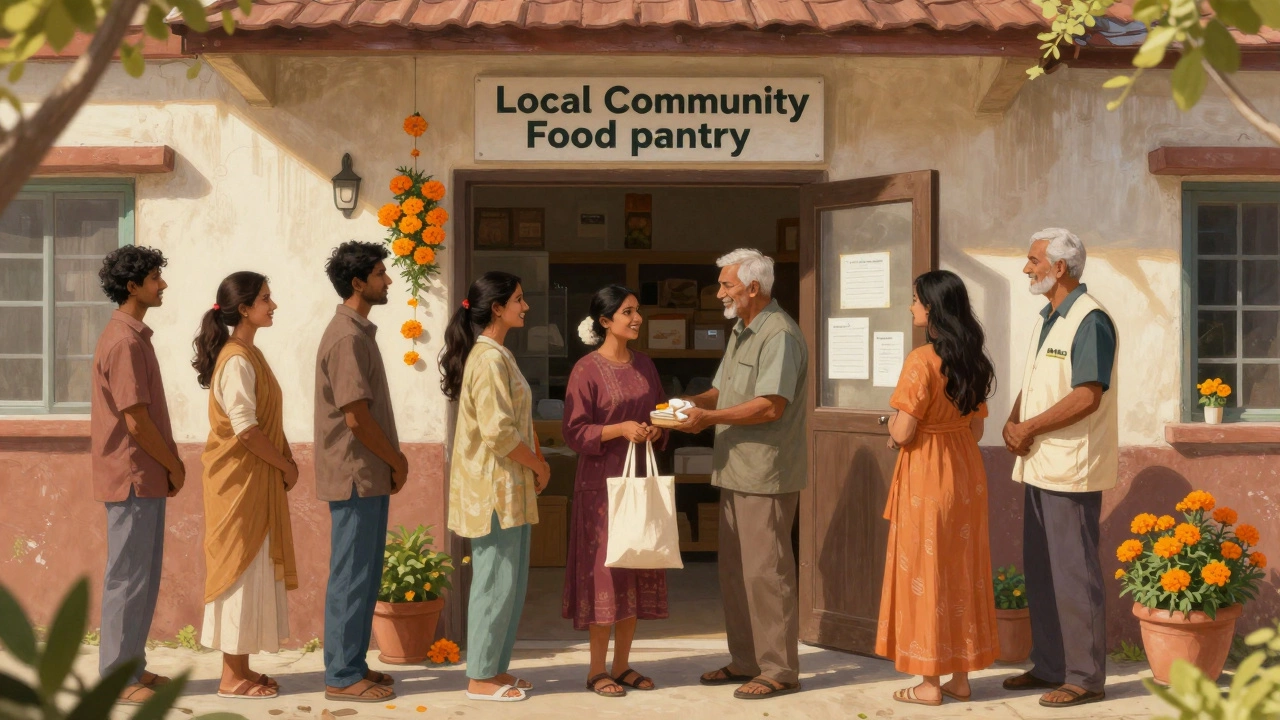
A food pantry is a local community center, church, or nonprofit organization that distributes food directly to households and individuals. This is where you actually go to get groceries. When people say "I'm going to the food bank," they usually mean they are visiting a local pantry served by a regional food bank network.
To apply for help, you need to find a pantry, not the main bank. Knowing this distinction saves time. You won't show up at a massive industrial warehouse expecting a shopping cart; you'll head to a neighborhood center that knows your community's needs.
Who Qualifies for Food Assistance?
One of the biggest myths about food aid is that only people experiencing homelessness or extreme poverty qualify. In reality, food insecurity affects millions of working families, seniors on fixed incomes, and students. Most local pantries follow guidelines set by national networks like Feeding America, but individual centers have some flexibility.
Here is what typically determines eligibility:
- Household Income: Many pantries use the Federal Poverty Level (FPL) as a baseline. Generally, if your household income is below 200% of the FPL, you likely qualify. For a family of four, this means an annual income under roughly $56,000 (based on 2024-2025 federal guidelines). However, many pantries waive this requirement entirely during times of high demand.
- Residency: Some pantries require proof that you live within their service area, such as a specific zip code or county. Others serve anyone in the region regardless of address.
- Verification Documents: Traditionally, pantries asked for ID, proof of income (pay stubs), and proof of residency (utility bills). Today, many operate on a "no questions asked" basis, especially for first-time visitors.
If you are unsure if you qualify, the best rule of thumb is: if you are worried about whether you have enough to eat, you qualify. Staff members are trained to assess needs compassionately, not punitively.
Step-by-Step: How to Find and Apply
Finding the right pantry is the first real step. Here is a practical workflow to locate assistance near you.
- Use Online Directories: Start with national search engines. If you are in the United States, the Feeding America website has a "Find Your Local Food Bank" tool. Enter your zip code, and it lists nearby pantries, including hours and contact info. Other resources include 211.org (in the US and Canada) or local government social services pages.
- Call Ahead: Websites aren't always updated. Call the pantry to ask three things: What documents do they need? Do I need an appointment? What are their current operating hours? Some pantries switch to appointment-only models to manage crowds, while others walk-in freely.
- Prepare Basic Information: Even if they don't require strict documentation, having a list of your household members' names and ages helps them allocate the right amount of food. Bring a valid ID if you have one, but don't let lack of ID stop you from asking for help.
- Visit During Off-Peak Hours: If possible, avoid the first hour after opening. Lines are shorter, and staff have more time to answer questions. Mid-week mornings are often less busy than weekends.
The Application Process: What to Expect
When you arrive, the process is usually straightforward. You aren't being interrogated; you are being registered so the pantry can track usage and request appropriate supplies from their parent food bank.
Most pantries offer two types of distribution models:
| Model Type | Description | Pros | Cons |
|---|---|---|---|
| Traditional Pre-Packaged | You receive a box or bag with standard items (canned goods, pasta, rice). | Fast checkout; consistent nutrition basics. | Less choice; may include items you already have or dislike. |
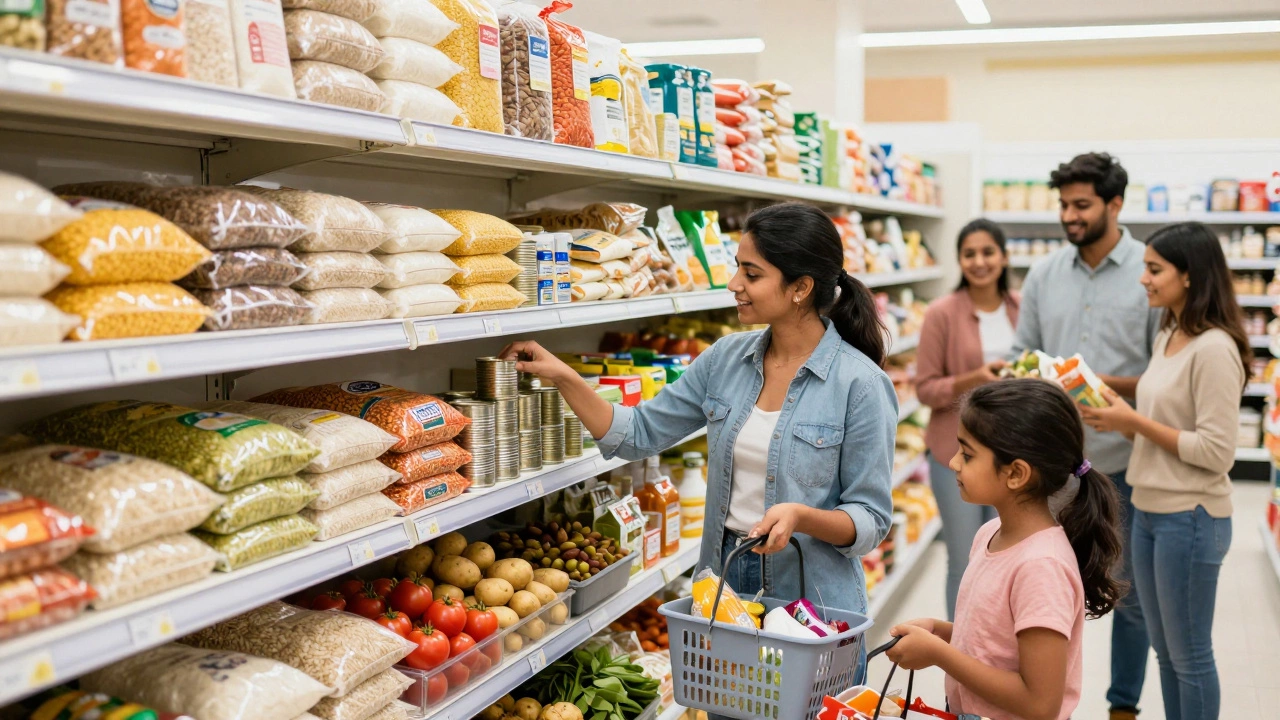
| Grocery Store Style | You shop with a cart or basket, picking items off shelves within a budget limit. | High dignity; choose foods your family likes; accommodate dietary needs. | Takes longer; popular items may run out early. |
During registration, you might fill out a simple form. Be honest about your situation. If you have medical conditions requiring special diets (diabetes, gluten intolerance, allergies), tell the staff. Many pantries keep a reserve of specialized foods for these cases. If they don't have what you need today, they can often order it or direct you to a partner agency that does.
Documents You Might Need
While policies vary, here is a checklist of documents that smooth the process. Keep these in a folder or digital photo on your phone.
- Photo ID: Driver's license, state ID, passport, or even a student ID. If you don't have one, most pantries accept a verbal confirmation of identity.
- Proof of Address: Utility bill, lease agreement, or mail with your name and address. If you are staying with friends or family, a note from the host confirming your residence often works.
- Proof of Income: Recent pay stub, Social Security award letter, unemployment benefits statement, or child support documentation. Again, many pantries waive this for first visits.
- Household List: Names and birthdates of everyone living in your home. This helps them calculate portion sizes.
Don't panic if you lack these. The goal is access, not bureaucracy. Ask the volunteer: "What is the minimum I need to bring today?"
Tips for a Positive Experience
Using a food bank is a temporary solution to a financial problem, not a character flaw. Here is how to make the most of your visit.
Bring Your Own Bags: Pantries often provide boxes or bags, but bringing reusable grocery bags makes transport easier and reduces waste. It also signals to staff that you are organized and respectful of their resources.
Ask About Additional Services: Many food pantries are hubs for broader support. They might offer referrals for SNAP (Supplemental Nutrition Assistance Program) applications, WIC (Women, Infants, and Children) enrollment, utility assistance, or job training programs. Don't leave without asking, "Do you connect people with other local resources?"
Check Return Policies: Most pantries allow you to return every 7-30 days. Some limit visits to once a week, others to once a month. Know the rule so you can plan your meals accordingly. If you need more food before your next eligible date, call ahead; emergencies are handled with empathy.
Consider Volunteering: If your situation stabilizes, volunteering at the pantry builds community ties and gives you insight into available resources. It also shifts the dynamic from recipient to partner, which can be empowering.
Common Questions About Food Bank Access
People often hesitate due to misconceptions. Let's clear up the most common concerns.
"Will using a food bank affect my credit score?" No. Food assistance is never reported to credit bureaus. It is a charitable service, not a loan.
"Can I use SNAP benefits at a food bank?" Usually no. Food pantries provide free food. SNAP benefits are used at grocery stores. However, pantries often help you apply for SNAP if you aren't already enrolled.
"Is the food safe?" Yes. Food banks follow strict safety guidelines. Canned goods are inspected for dents or rust. Perishables are kept at proper temperatures. If something looks off, ask the staff. They will replace it immediately.
"Do I have to be unemployed?" No. Working poor families make up a significant portion of pantry users. Rising housing and healthcare costs often leave little room for groceries, even with a full-time job.
Navigating Special Dietary Needs
If you or a family member has dietary restrictions, communication is key. Pantries stock staples like canned beans, rice, and frozen vegetables, which are naturally gluten-free or low-sodium. But for specific needs:
- Gluten-Free: Ask for certified GF oats, rice-based pastas, or corn tortillas. Many pantries now carry dedicated GF sections.
- Diabetic-Friendly: Look for non-starchy vegetables (frozen broccoli, green beans), lean proteins (canned tuna, chicken), and whole grains. Avoid sugary cereals or canned fruits in syrup.
- Allergies: Always check labels. Inform staff of severe allergies (peanuts, shellfish). They can guide you to safe options or alert you when certain items are stocked.
If a pantry cannot meet your needs, ask for a referral. Larger food banks often partner with specialty organizations that handle medical food assistance.
Maintaining Dignity and Mental Health
Asking for help is hard. It’s normal to feel embarrassed or frustrated. Remember that food insecurity is a systemic issue, not a personal failure. Millions of Americans use food pantries each year. You are part of a broad community facing similar economic pressures.
Treat yourself with kindness. Use the food to nourish your body so you can focus on solving the underlying financial challenge. Connect with counselors or support groups if the stress feels overwhelming. Many community centers that host pantries also offer mental health resources.
Your worth isn't defined by your bank account. It’s defined by your resilience. Taking action to feed your family is a sign of strength, not weakness.
Do I need an appointment to visit a food bank?
It depends on the specific pantry. Many smaller pantries accept walk-ins during posted hours. Larger centers or those in high-demand areas may require appointments to manage crowd size and ensure fair distribution. Always call ahead to check their current policy.
How much food will I receive?
The amount varies by location and household size. Typically, a family of four might receive $40-$80 worth of groceries per visit, enough for several days. Items include canned vegetables, fruits, grains, proteins, and sometimes fresh produce or dairy. Pantries aim to provide nutritious, balanced meals.
Can I use a food bank if I have a job?
Yes. Employment status is rarely a barrier. Many workers face "working poverty" where wages don't cover basic needs like rent and utilities, leaving little for food. Pantries serve anyone experiencing food insecurity, regardless of employment.
What if I don't have identification?
Most pantries will still help you. While ID helps with registration, it is not always mandatory. You may be asked to provide your name and address verbally. If you lack permanent housing, explain your situation; staff are trained to assist homeless individuals with dignity.
How often can I visit a food pantry?
Frequency limits vary. Common intervals are once every 7 days, 14 days, or 30 days. Some pantries allow weekly visits for children or seniors. Check the specific rules of your local center. If your needs change unexpectedly, call to discuss options.