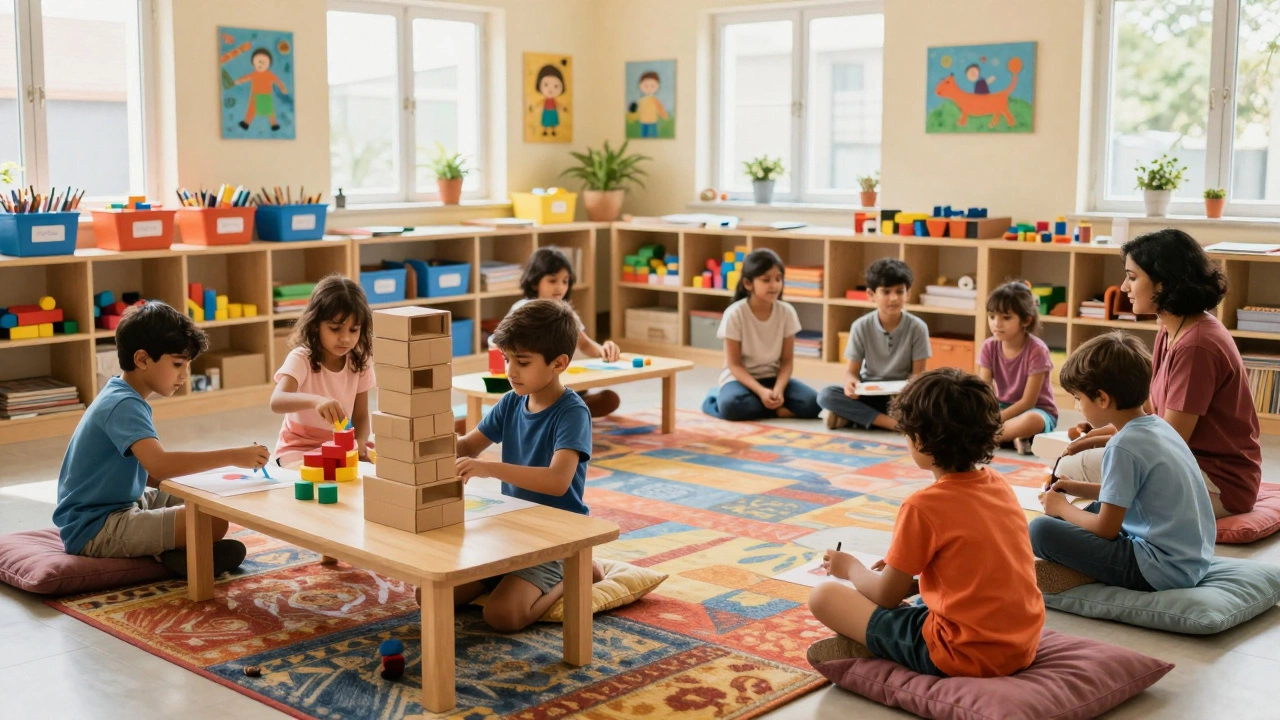
Kids Club Fun Balance Calculator
Activity Allocation (Hours/Week)
Engagement Report
Adjust the sliders and click analyze to see if your schedule is balanced!
Ever walked into a room full of children and felt that electric buzz of potential energy? Or have you sat there, watching them drift apart, bored and restless, wondering what went wrong? The difference between a chaotic mess and a thriving community often comes down to one thing: fun. But "fun" isn't just about letting kids run wild. It’s about creating an environment where they feel safe enough to take risks, heard enough to share ideas, and challenged enough to grow.
Making a kids club genuinely engaging requires more than just a few board games and a snack table. It demands intentionality. You need to understand the developmental needs of your members, design experiences that spark curiosity, and build a culture where every child feels like a VIP. Whether you’re running an after-school program in a community center or leading a weekend workshop, the principles remain the same. Let’s look at how you can transform your space into a place kids actually want to be.
The Foundation: Psychological Safety and Belonging
Before you plan a single activity, you need to nail the vibe. Kids are incredibly perceptive. They can smell fear, apathy, or rigidity from a mile away. If they don’t feel safe, they won’t engage. This concept is known as psychological safety, and it’s the bedrock of any successful group dynamic.
Start by establishing clear, consistent boundaries. Paradoxically, strict rules create freedom. When kids know exactly what is expected of them-like "we listen when others speak" or "we try our best"-they relax. They stop guessing if they’re in trouble and start focusing on the game. Use visual cues for these rules. A poster with icons works better than a verbal lecture for younger groups.
Also, prioritize inclusion. Nothing kills fun faster than exclusion. Watch for the kid sitting alone in the corner. Don’t just ignore them; actively weave them into the fabric of the group. Assign roles that suit their strengths. Maybe the quiet kid is great at organizing supplies? Give them the title of "Supply Manager." When every child has a job, they have a stake in the outcome. This builds a sense of ownership and belonging that keeps them coming back week after week.
Designing Activities That Spark Curiosity
Boredom is the enemy. But variety alone doesn’t cure it. You need depth. Think about the types of play that naturally attract children: building, exploring, pretending, and competing. Your activities should tap into these innate drives.
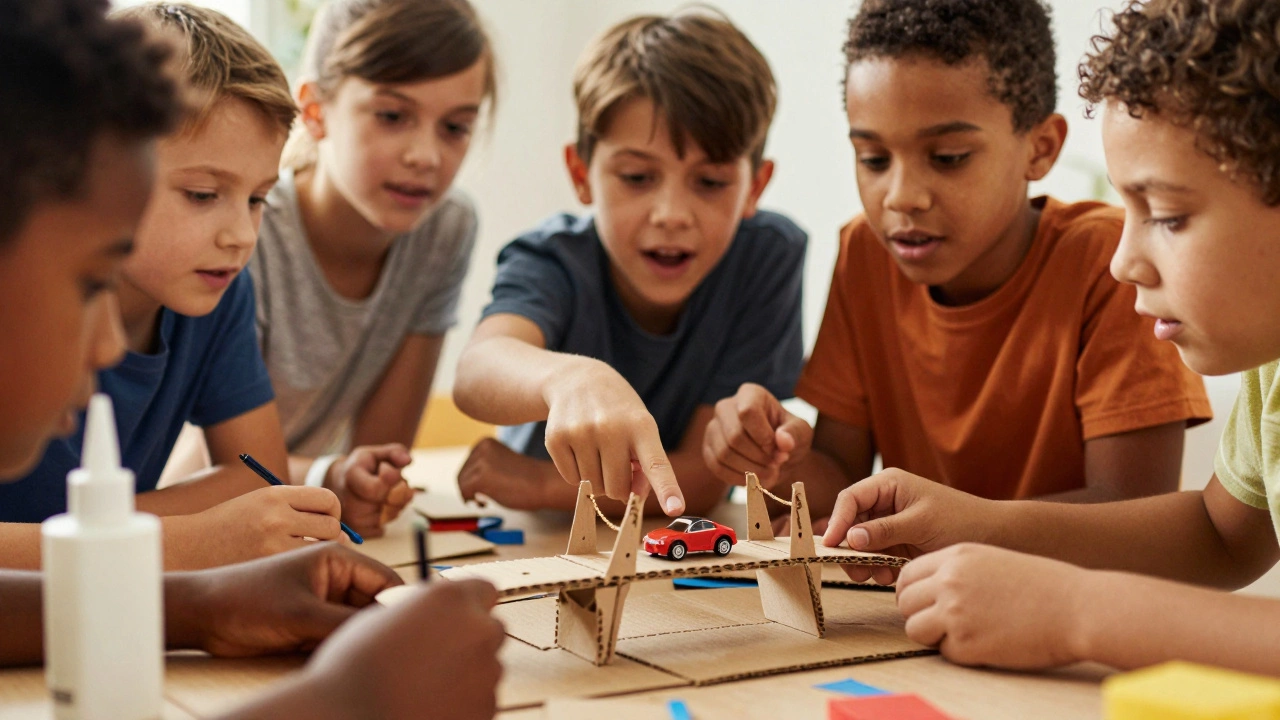
- Project-Based Learning: Instead of just coloring, give them a mission. "Build a bridge out of cardboard that can hold this toy car." This introduces basic engineering concepts without feeling like school. It’s messy, it’s loud, and it’s brilliant.
- Choice Architecture: Offer options. At the start of the session, set up three stations: Art, Science, and Movement. Let them choose where to go first. Autonomy increases engagement. When kids feel they’ve chosen the activity, they commit to it.
- Thematic Immersion: Themes provide context. A "Space Explorer" week allows you to tie together reading (space facts), art (planet masks), and physical activity (moon walk races). Context makes isolated activities feel connected and meaningful.
Avoid passive consumption. Watching TV might keep them quiet, but it doesn’t build skills or memories. Active participation creates neural pathways. Ask open-ended questions during activities. "What do you think will happen if we add more glue?" encourages critical thinking and extends the life of the activity.
The Power of Play and Physical Movement
Kids aren’t meant to sit still for hours. Their bodies are designed for movement. Incorporating physical activity isn’t just about burning off sugar rushes; it’s essential for cognitive function. Exercise releases endorphins and dopamine, chemicals that make learning and socializing feel good.
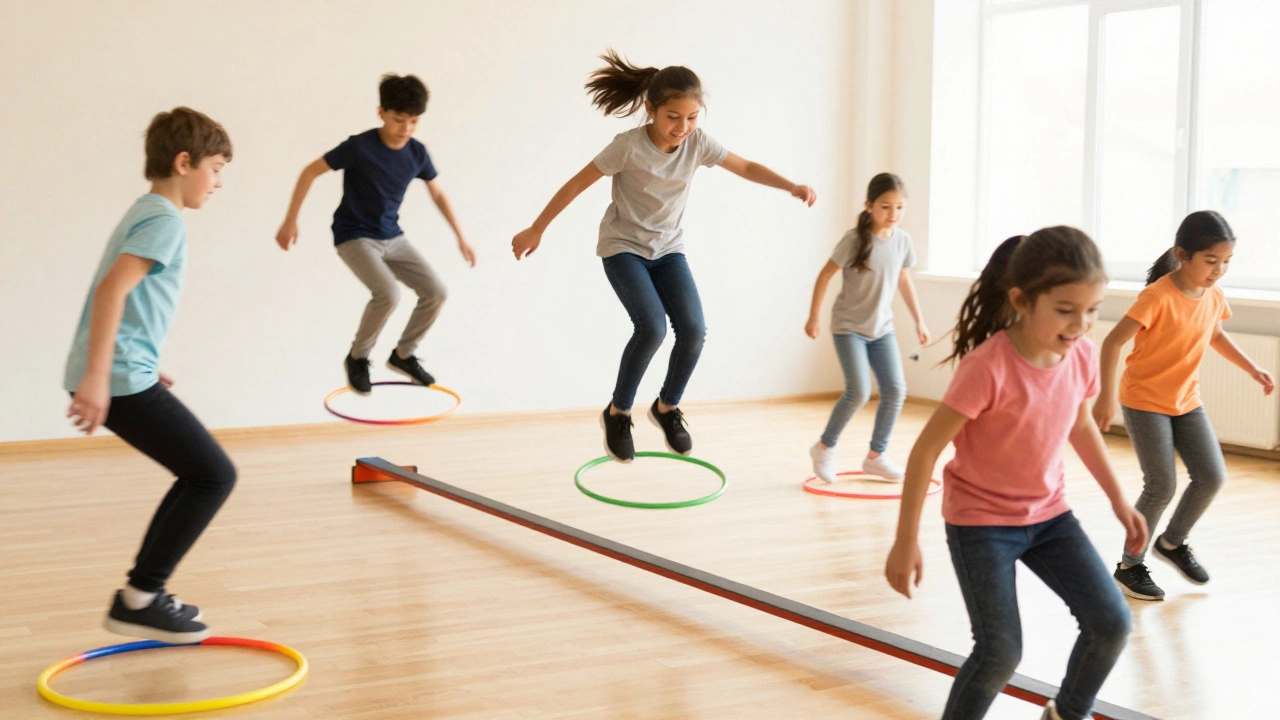
You don’t need a gym. You need creativity. Turn the hallway into an obstacle course. Use hula hoops for jumping challenges. Create a "freeze dance" station where music stops randomly, and they have to strike a pose. These low-cost, high-energy games break up sedentary periods and reset attention spans.
Consider the concept of unstructured play. This is time where adults step back and let kids invent their own games. Provide loose parts-blocks, scarves, balls-and let them figure out the rules. Unstructured play fosters negotiation, leadership, and problem-solving skills. It’s chaotic, yes, but it’s also where some of the deepest learning happens. Just ensure you’re nearby to mediate conflicts if they arise.
Building Community Through Rituals
Rituals create rhythm. They give structure to the chaos and signal transitions. Start every session with a welcome circle. Share a funny story, sing a song, or do a quick check-in. End with a reflection circle. What was the best part of today? What was tricky?
These rituals serve two purposes. First, they help kids regulate their emotions. Transitioning from school to club can be jarring. A predictable routine helps them settle. Second, they build community. Hearing each other’s voices and sharing experiences creates bonds. Over time, these small moments accumulate into a strong sense of group identity.
Create traditions unique to your club. Maybe every Friday is "Crazy Hat Day." Maybe you have a secret handshake for new members. These inside jokes and shared symbols make the club feel special. They give kids something to talk about outside the club walls, extending the community’s reach.
Empowering Youth Leadership
One of the most powerful ways to keep a club fun is to let the kids lead. Older children, in particular, crave responsibility. Create a "Youth Council" or "Club Leaders" team. Let them help plan activities, manage snacks, or greet newcomers.
This isn’t just about saving you work. It’s about skill development. Leading a game teaches public speaking. Planning a budget teaches math. Resolving a dispute teaches empathy. When kids see their ideas implemented, they feel valued. And when they feel valued, they invest more effort.
Rotate roles regularly so everyone gets a chance to try different responsibilities. Some kids might love being the DJ, while others prefer being the referee. Flexibility ensures no one gets stuck in a role that doesn’t suit them. It also prevents cliques from forming around specific positions.
Creating a Stimulating Environment
Your physical space matters. Cluttered, dark, or sterile rooms kill creativity. Aim for a warm, inviting atmosphere. Use bright colors, natural light, and comfortable seating. Display kids’ artwork prominently. Not just on a bulletin board, but on walls, windows, and even doorframes. Seeing their creations displayed validates their effort and boosts confidence.
Zone your space. Have a quiet corner for reading or puzzles, a loud area for games, and a creative zone for crafts. Clear signage helps kids navigate independently. It reduces noise pollution because quiet activities aren’t interrupted by loud ones. It also gives introverted kids a safe haven if they need a break from social interaction.
Keep materials accessible. Open shelves with labeled bins allow kids to grab what they need without asking permission every five seconds. Independence fosters self-reliance. Just teach them how to clean up afterward. Responsibility goes hand-in-hand with access.
| Activity Type | Primary Benefit | Best For | Potential Pitfall |
|---|---|---|---|
| Structured Games | Social Skills & Rules | Large Groups | Exclusion of weaker players |
| Creative Arts | Self-Expression | Individual或小 Groups | Perfectionism/Frustration |
| Physical Play | Health & Energy Release | High Energy Days | Safety Risks |
| Unstructured Play | Problem Solving | Older Kids | Lack of Direction |
Navigating Challenges and Conflicts
Conflict is inevitable. Two kids want the same toy. Someone breaks a rule. Someone feels left out. How you handle these moments defines your club’s culture. Don’t suppress conflict; use it as a teaching tool.
Use restorative practices instead of punitive measures. Instead of sending a child to time-out, ask: "What happened? How did that make you feel? What can we do to fix it?" This approach encourages accountability and empathy. It teaches kids that mistakes are opportunities to learn, not reasons to be shamed.
Be proactive. Identify potential triggers before they explode. If you know a certain game always leads to arguments, modify the rules beforehand. Rotate teams frequently to prevent bullying. Monitor interactions closely during free play. A gentle redirection can prevent a major meltdown.
Remember, your emotional state sets the tone. If you get angry or stressed, the kids will mirror that. Stay calm. Breathe. Model the behavior you want to see. When you handle stress with grace, you teach kids how to do the same.
Measuring Success Beyond Attendance
How do you know if your club is working? Attendance numbers are a start, but they don’t tell the whole story. Look for qualitative signs. Are kids laughing? Are they helping each other? Are they arriving early and leaving reluctantly?
Gather feedback directly from the kids. Use simple surveys with smiley faces or thumbs up/down. Ask parents too. Do they notice changes in their child’s mood or social skills? Regular feedback loops help you adjust and improve. It shows kids that their opinions matter, reinforcing the culture of respect.
Finally, reflect on your own experience. Are you having fun? Passion is contagious. If you’re bored, they’ll be bored. If you’re excited, they’ll be excited. Find joy in the process, not just the outcome. The best clubs are those where both leaders and members thrive.
What are some easy activities for a kids club?
Easy activities include scavenger hunts, charades, collaborative drawing (where each person adds one line to a picture), and building towers with cups. These require minimal prep and encourage interaction. Focus on activities that involve movement or creativity rather than just sitting and listening.
How do I handle behavioral issues in a kids club?
Address behavior calmly and consistently. Use positive reinforcement to reward good behavior. For negative actions, use restorative conversations to understand the root cause and find a solution. Avoid public shaming. Establish clear rules from day one and enforce them fairly.
How often should I change activities in a kids club?
Rotate activities weekly or bi-weekly to maintain interest. However, keep core rituals like welcome circles constant. Variety prevents boredom, but consistency provides security. Mix familiar favorites with new challenges to balance comfort and growth.
What is the ideal group size for a kids club?
The ideal size depends on age and staff ratio. For younger children (5-8), aim for 10-15 kids per adult. For older kids (9-12), 15-20 is manageable. Smaller groups allow for more personalized attention, while larger groups foster community dynamics. Adjust based on your resources and space.
How can I make a kids club inclusive for all abilities?
Choose activities that can be modified easily. Ensure physical spaces are accessible. Use clear, simple language. Pair children with diverse abilities together for cooperative tasks. Train staff on inclusive practices and emphasize empathy and teamwork over competition.