Texas Public Sleeping Risk & Resource Checker
Scenario Configuration
Select the parameters that match your current situation to estimate potential legal risks.
Select your scenario above to generate a risk assessment and safety recommendations.
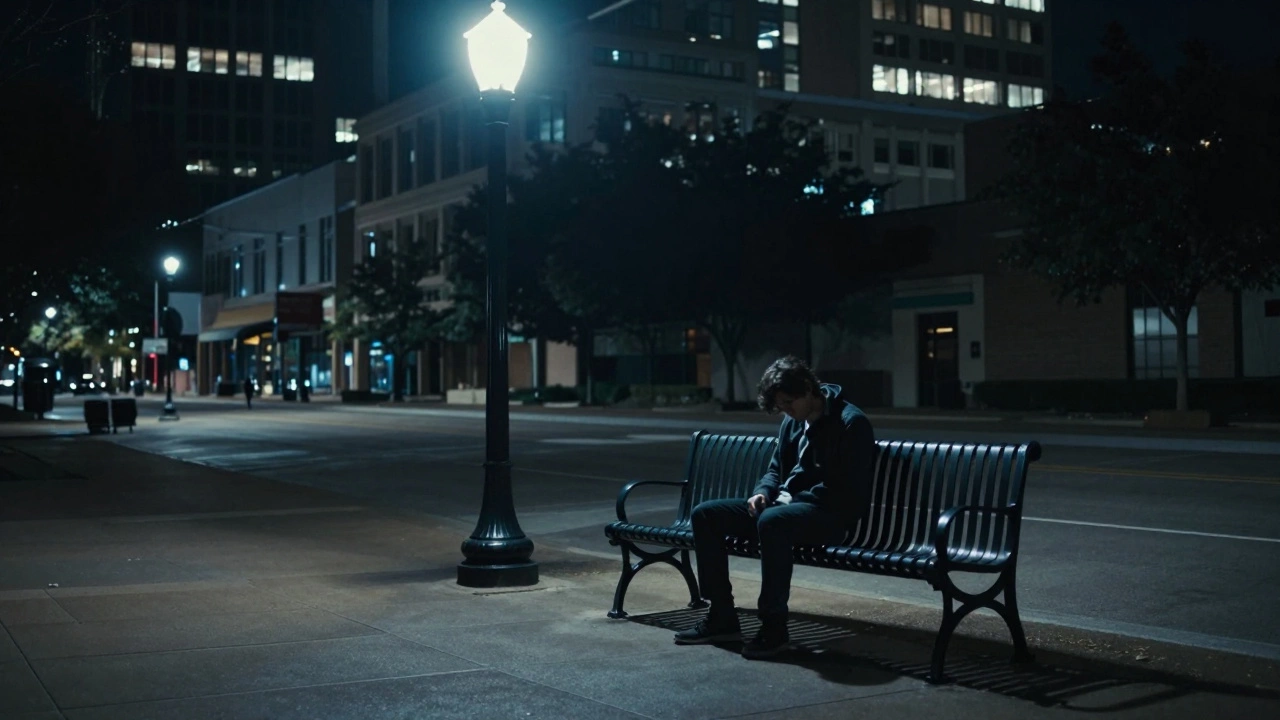
Picture this: It’s 2 AM in downtown Austin. You’re exhausted, your bank account is empty, and you just need a place to rest your head for a few hours. You find a quiet park bench or an empty spot under a bridge. But before you close your eyes, a question hits you hard-am I breaking the law by sleeping here?
If you are wondering whether it is illegal to sleep in public in Texas, the short answer is: it depends entirely on where you are and what local ordinances say. There is no single state law that bans sleeping outside across all of Texas. However, cities like Houston, Dallas, Fort Worth, and San Antonio have strict local rules that can turn a simple nap into a ticket or even an arrest.
Navigating these laws while experiencing homelessness is confusing and stressful. This guide breaks down the legal landscape, explains the difference between state and city laws, and helps you find safe places to stay when you have nowhere else to go.
State Law vs. City Ordinances
To understand your rights, you first need to know who is making the rules. In Texas, the state government does not have a general statute that makes sleeping in public a crime. The Texas Penal Code focuses on crimes like theft, assault, and drug possession. It does not list "sleeping outdoors" as a criminal offense.
However, power over public order rests largely with individual cities and counties. Local governments pass ordinances-local laws-that regulate how public spaces are used. These ordinances often target behaviors associated with homelessness, such as camping, loitering, or obstructing sidewalks. When people talk about "illegal sleeping," they are usually referring to these local rules, not state law.
This creates a patchwork system. What might be tolerated in one neighborhood could result in a fine in another block over. For example, a city might allow sitting on a bench but prohibit lying down or setting up a tent nearby. Understanding this distinction is crucial because it means your legal risk changes depending on which city limits you are inside.
Common Restrictions in Major Texas Cities
Different cities enforce different rules. Here is how some of the largest municipalities in Texas handle outdoor sleeping and camping:
- Houston: Houston has strict ordinances against obstructing public walkways and camping in parks after dark. While sitting on a bench is generally allowed, lying down or using bedding material in public view can lead to citations. Police often cite "obstruction of a public way" rather than sleeping itself.
- Dallas: Dallas prohibits camping in public right-of-ways, including sidewalks and streets. The city also restricts the storage of personal property in public areas. Enforcement varies by district, but officers frequently issue warnings or tickets for visible encampments.
- Fort Worth: Fort Worth has specific codes against vagrancy and disorderly conduct, which can be interpreted broadly. Setting up a shelter or sleeping bag in a public park or street corner is typically considered a violation of municipal code regarding public nuisance.
- San Antonio: San Antonio enforces rules against littering and obstruction. If you leave belongings behind or block pedestrian traffic, you risk being cited. The city also has regulations about sleeping in vehicles, which we will discuss next.
Note that these laws are subject to change. Local councils may tighten or loosen restrictions based on political pressure and court rulings. Always check the most recent municipal code for the specific city you are in.
The Legal Status of Sleeping in Your Car
Many people experiencing housing instability choose to sleep in their vehicles. Is this legal in Texas? Generally, yes-but with significant caveats.
Texas state law allows you to park overnight in many public areas, provided you are not violating local parking restrictions. However, cities often ban overnight parking in certain zones, such as near schools, hospitals, or residential streets. If you park in a lot marked "No Overnight Parking," you are breaking the law, regardless of whether you are sleeping or just resting.
Another critical issue is vagrancy laws. Some jurisdictions interpret sleeping in a car as "loitering" if you appear to be living there permanently. To reduce risk, keep your vehicle clean, avoid setting up chairs or tables outside, and move locations regularly. Staying in one spot for too long can draw attention from police or business owners.
Also, be aware of private property. Parking in a Walmart, Costco, or other retail store lot without permission is trespassing. Many large retailers have explicitly banned overnight parking due to liability concerns. Always look for signs or ask a manager for permission.
Court Rulings and Constitutional Rights
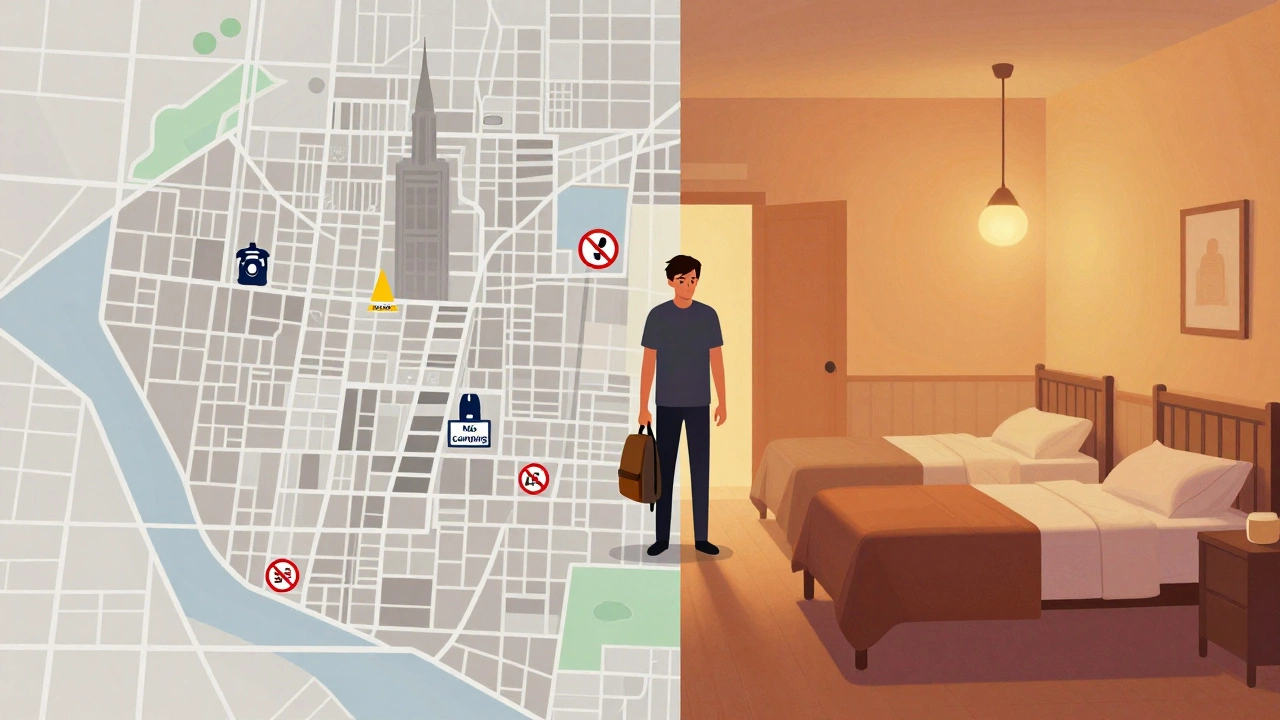
In recent years, courts across the U.S. have challenged anti-camping laws. The key legal argument centers on the Eighth Amendment, which prohibits cruel and unusual punishment. The Supreme Court case Griffin v. City of San Francisco (and similar cases) suggested that punishing someone for sleeping outside when no shelter beds are available may be unconstitutional.
However, Texas courts have not universally adopted this stance. Some judges have ruled that local ordinances are valid as long as they do not specifically target homeless individuals but instead apply to everyone equally. For instance, a rule banning tents in parks applies to hikers and homeless people alike, so it may stand up in court.
This legal gray area means enforcement is inconsistent. One officer might give you a warning; another might issue a ticket. If you face charges, consult with a legal aid organization immediately. Organizations like the Texas RioGrande Legal Aid provide free advice to those facing housing-related legal issues.
Where Can You Sleep Safely and Legally?
If public sleeping feels risky, consider these alternatives:
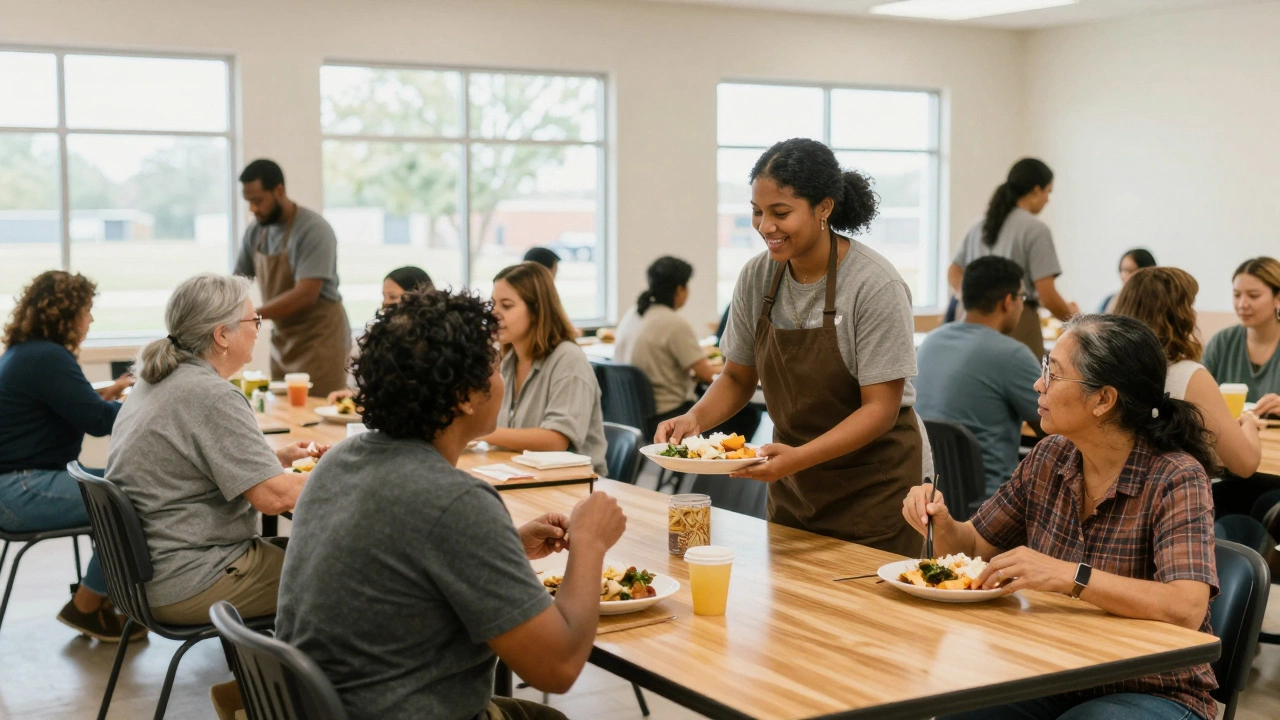
- Homeless Shelters: Most major Texas cities operate emergency shelters. These facilities offer beds, meals, and sometimes case management services. Call 211 to find the nearest open shelter. Availability fluctuates, especially during winter months.
- Churches and Faith-Based Groups: Many churches run overnight stays or weekend programs. They often require registration but provide a safe, dry environment. Look for organizations affiliated with Catholic Charities, Salvation Army, or local interfaith coalitions.
- Hostels: While rare in Texas, some urban areas have budget hostels that accept guests for $15-$30 per night. These are cheaper than hotels and offer lockers and communal spaces.
- Friends or Family: Even a couch-surfing arrangement for a few nights can break the cycle of street exposure. Reach out to trusted contacts early.
- Vehicle Camping Spots: Apps like iOverlander or FreeRoam help locate friendly businesses and public lands that allow overnight RV or car parking. Filter for "free" and "overnight allowed."
Remember, safety is paramount. Avoid isolated areas at night. Stick to well-lit streets, near police stations, or in designated safe zones if your city offers them.
Resources for Immediate Help
If you are currently unhoused in Texas, you are not alone. Numerous organizations work to connect people with housing, food, and medical care. Here are essential contacts:
| Resource Name | Service Type | Contact Info |
|---|---|---|
| 211 Texas | Emergency Referral & Shelter Locator | Call 211 or visit 211texas.org |
| Texas Health and Human Services Commission | Statewide Housing Programs | hhsc.texas.gov |
| Coalition for the Homeless of Greater Houston | Shelter Coordination & Advocacy | coalitionhomeless.org |
| Dallas Rescue Mission | Emergency Shelter & Meals | dallasrescuemission.org |
| San Antonio Coalition for the Homeless | Case Management & Housing Navigation | sahomeless.org |
These agencies can help you access temporary housing, apply for Section 8 vouchers, or enroll in job training programs. Don’t hesitate to reach out-even if you feel embarrassed or afraid. Staff are trained to assist without judgment.
How to Prepare for Outdoor Rest
If you must sleep outside temporarily, take steps to minimize risk and discomfort:
- Choose Safe Locations: Avoid alleys, abandoned buildings, or poorly lit parks. Opt for busy areas near hospitals, fire stations, or 24-hour grocery stores where security patrols are common.
- Keep Belongings Secure: Use a small backpack with a zipper lock. Never leave valuables unattended. Consider a money belt worn under clothes.
- Dress Appropriately: Layer clothing to adjust to temperature changes. Wear comfortable shoes you can remove easily but keep nearby.
- Stay Hydrated and Fed: Carry water bottles and non-perishable snacks. Dehydration worsens fatigue and decision-making.
- Know Your Exit Plan: Identify nearby shelters or friends’ homes in advance. Have phone numbers saved offline in case your device dies.
Preparation reduces vulnerability. The more organized you are, the less likely you’ll panic if approached by authorities.
Advocacy and Long-Term Solutions
Legal battles over sleeping laws continue. Advocacy groups push for policies that prioritize housing over punishment. Supporting these efforts helps create systemic change.
You can contribute by:
- Voting for candidates who support affordable housing initiatives.
- Donating to local nonprofits that provide direct services.
- Volunteering at shelters or meal programs.
- Raising awareness through social media or community meetings.
Change happens when communities recognize homelessness as a solvable crisis, not a moral failing. Every action counts.
Can I get arrested for sleeping on a park bench in Texas?
It depends on the city. While Texas state law doesn't ban sleeping, many cities have ordinances against lying down in public parks after dark. Officers may issue a citation for "obstruction" or "disorderly conduct" rather than arresting you outright, but repeated violations can escalate.
Is it legal to sleep in my car in a Walmart parking lot in Texas?
Not necessarily. Walmart stores individually decide whether to allow overnight parking. Many have banned it due to insurance and liability reasons. Always check posted signs or ask a manager. Parking without permission is trespassing, which is a misdemeanor.
What should I do if a police officer asks me to move while I'm sleeping outside?
Comply calmly. Arguing can lead to additional charges like resisting arrest. Ask politely why you're being moved and note the officer's badge number. Later, contact a legal aid group to review the incident. Your cooperation protects your immediate safety.
Are there any cities in Texas where sleeping in public is completely legal?
No major Texas city has declared sleeping in public fully legal. All have some form of ordinance restricting camping, loitering, or obstruction. However, enforcement varies widely. Smaller towns may be more lenient than large metropolitan areas.
How can I find a homeless shelter in my area?
Call 211 or visit 211texas.org. This service connects you with local shelters, meal programs, and housing assistance. You can also search online for "homeless shelters near me" or contact your county's health and human services department directly.
Does Texas have a right to housing?
No. Unlike some European countries, the U.S. Constitution does not guarantee a right to housing. Texas relies on voluntary programs and limited federal funding to address homelessness. This lack of entitlement makes advocacy and mutual aid even more critical.
Can I be fined for having a tent in a public park?
Yes. Most Texas cities prohibit setting up tents or temporary structures in public parks. Fines range from $50 to $500 depending on the municipality. Repeated offenses may result in higher penalties or court appearances.
What happens if I refuse to pay a ticket for sleeping outside?
Unpaid fines can accumulate interest and lead to license suspension, wage garnishment, or even jail time for contempt of court. If you cannot afford the fee, request a payment plan or ask for community service options. Seek legal help early to avoid escalation.