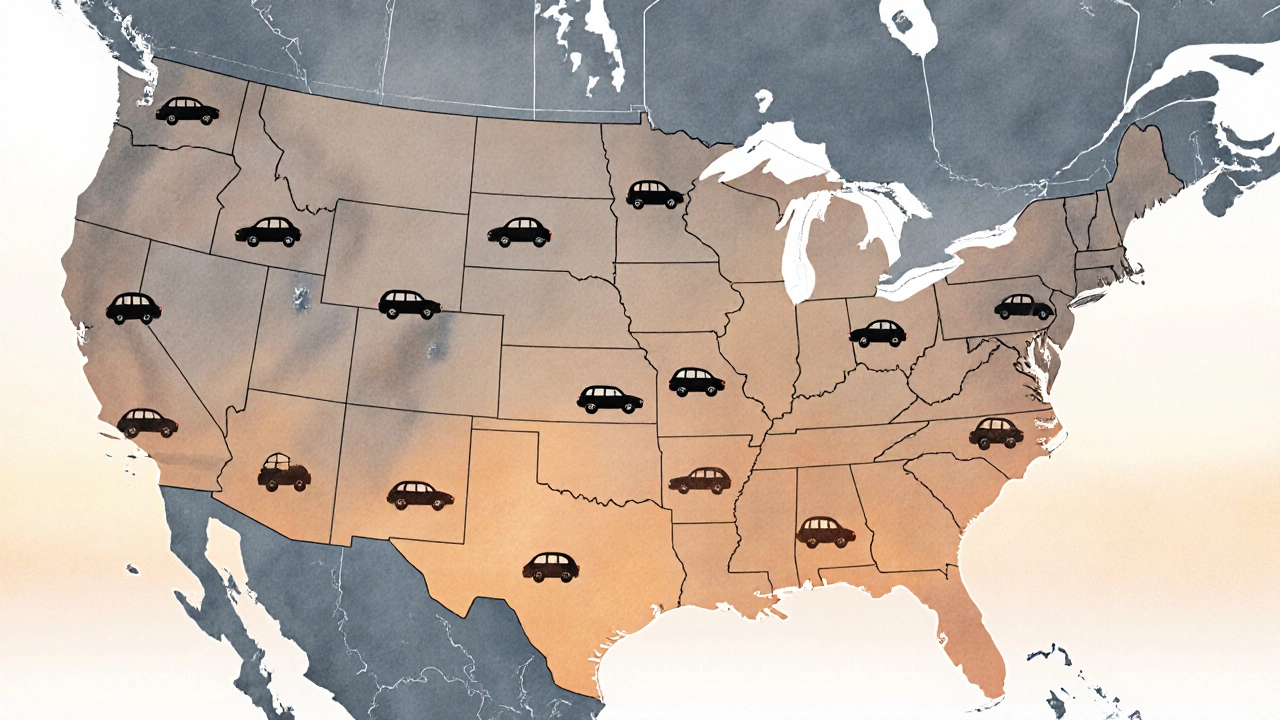
Which US States Ban Sleeping in Your Car? 2025 Guide
A 2025 guide explaining which US states ban sleeping in your car, outlining penalties, legal exceptions, and safe alternatives for overnight travel.
Read MoreWhen you think of car camping, sleeping in your vehicle at a roadside pullout, national forest, or public park. Also known as vehicle camping, it's one of the most affordable ways to explore the outdoors without a tent. But just because you can park your car somewhere doesn't mean you're allowed to sleep there. Public land camping, overnight stays on government-owned land like national forests, BLM areas, or state parks often has strict rules—some places allow it freely, others ban it entirely, and many only permit it during certain hours or seasons. These rules aren’t random; they’re shaped by local noise ordinances, wildlife protection laws, and efforts to prevent overcrowding in popular spots.
Many people assume car camping is legal everywhere, but that’s not true. In California, for example, you can’t camp overnight in most rest areas—some even have signs that say "No Sleeping." In Colorado, national forests generally allow dispersed camping, but you must be 100 feet from roads and water sources. Meanwhile, in Texas, certain state parks let you camp in your car with a permit, but only in designated spots. And in places like Arizona’s desert regions, you might be allowed to park overnight but forbidden from setting up chairs, coolers, or tents. Overnight camping laws, local regulations that determine where, when, and how long you can stay in your vehicle vary wildly from county to county, even within the same state. You can’t rely on apps or forums alone—you need to check official websites, call ranger stations, or visit local government portals before you park for the night.
It’s not just about avoiding tickets. Breaking these rules can lead to fines, towing, or worse—getting reported for trespassing or disturbing wildlife. Some areas have quiet hours from 10 PM to 6 AM, others require you to leave by sunrise. And while some spots welcome car campers, others actively discourage them with signs like "No Overnight Parking" or "Trespassers Will Be Prosecuted." The key is knowing the difference between legal dispersed camping and illegal parking. Whether you’re planning a road trip across the Southwest, a weekend in the Pacific Northwest, or just need a safe place to sleep after a long drive, understanding these rules keeps you safe, legal, and respectful of the land and local communities.
Below, you’ll find real guides on how to navigate these rules, what to look for when planning your stop, and how to find legal spots without guessing. No fluff. No myths. Just clear, practical info from people who’ve been there.
A 2025 guide explaining which US states ban sleeping in your car, outlining penalties, legal exceptions, and safe alternatives for overnight travel.
Read More