Early Childhood Education: What It Is and Why It Matters for Kids and Communities
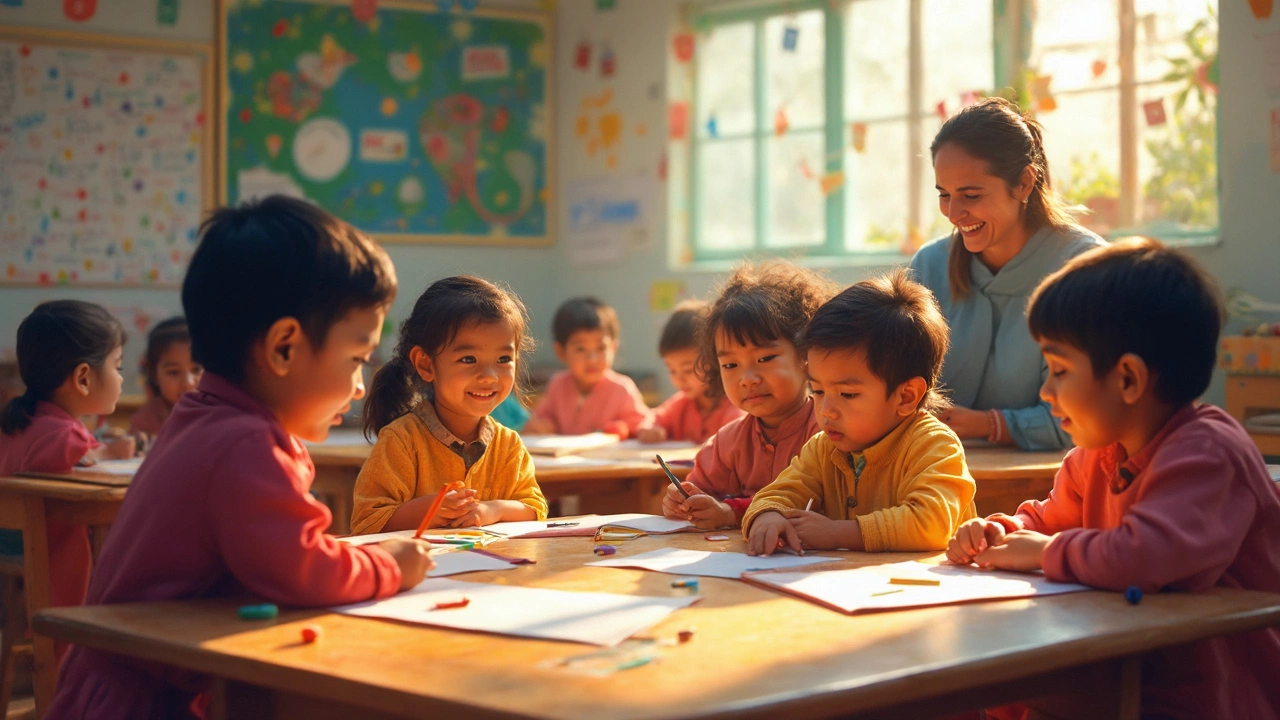
When we talk about early childhood education, the structured and unstructured learning experiences children receive from birth to age five. Also known as early learning, it’s not just about teaching ABCs and 123s—it’s about building the foundation for how kids think, feel, and connect with the world. This isn’t just something that happens in a classroom. It’s happening at home, in daycare centers, in community programs, and even during playtime at the park. The first five years are when a child’s brain develops faster than at any other point in life, and what they experience during that time sticks with them for decades.
preschool programs, organized early learning environments that focus on social, emotional, and cognitive growth are one piece of the puzzle. But they’re not the only one. child development, the physical, emotional, and mental growth children go through from infancy to adolescence is shaped by everything around them—how often they’re talked to, whether they feel safe, if they have access to books or quiet spaces to explore. A child who hears 30,000 words a day by age three doesn’t just know more vocabulary—they’re better at solving problems, managing emotions, and trusting others. And that’s not magic. It’s science.
Communities that invest in early childhood education don’t just help kids—they help families, teachers, and local economies. When parents have access to reliable childcare, they can work. When teachers are trained in child development, they spot warning signs early—like delays in speech or social withdrawal—and get help before problems grow. And when neighborhoods have safe playgrounds, free story hours, or parenting workshops, they’re building something bigger than a program. They’re building resilience.
You’ll find posts here that break down what real early childhood education looks like on the ground—how a single parent in Arkansas gets help through a state program, how a school club in Australia uses Wacky Day to spark curiosity in toddlers, how outreach workers connect families with free preschool slots. These aren’t theory pieces. They’re real stories about what works, what doesn’t, and who’s stepping in when systems fall short. Whether you’re a parent, a volunteer, or someone who just cares about how kids grow up, this collection gives you the facts you need to understand, act, or advocate.