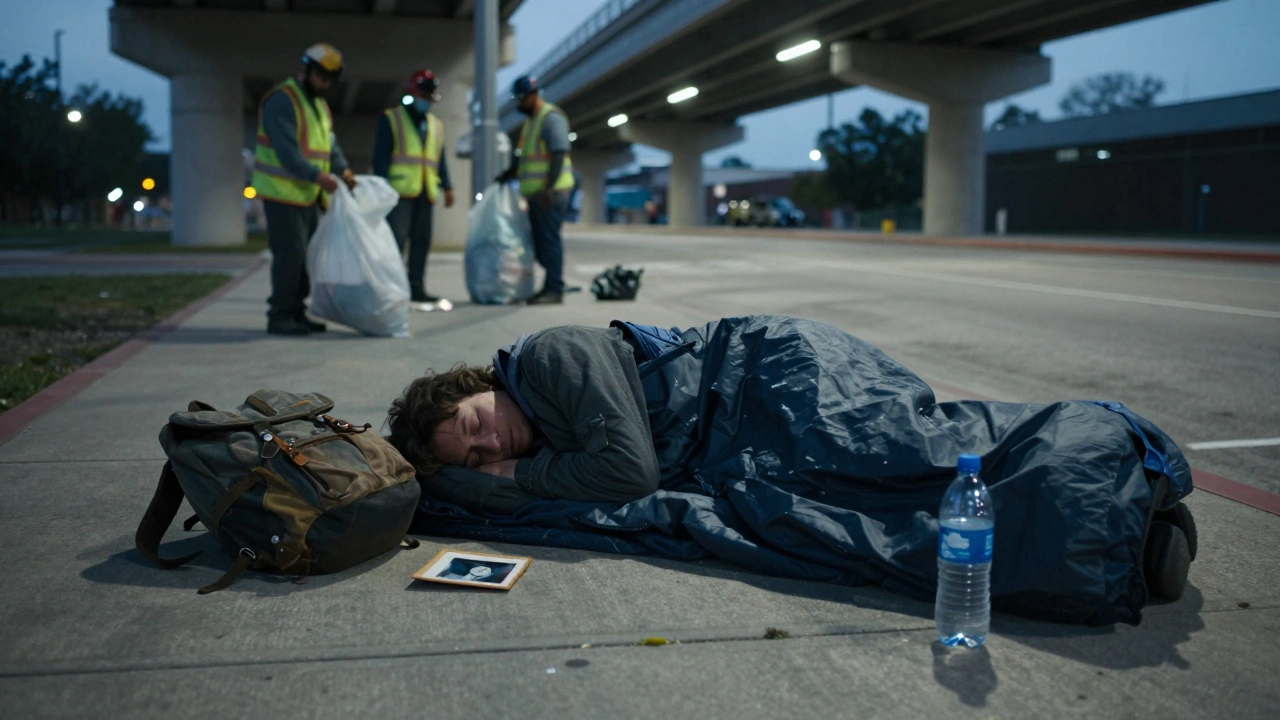
Homeless Shelter Regulations: What You Need to Know About Rules, Funding, and Rights
When you think of a homeless shelter, a temporary housing facility for people without stable homes, often run by nonprofits or local governments. Also known as emergency shelter, it’s not just a roof—it’s a lifeline with rules, limits, and legal protections that vary by city and state. These places don’t just open their doors randomly. They follow strict homeless shelter regulations that control everything from who can stay, how long they can stay, what they can bring, and how staff must treat residents. These rules exist to keep people safe, manage limited space, and meet funding requirements—but they’re not always clear to the people who need them most.
Behind every shelter are three key players: the local government, the agency that often funds and sets basic standards for shelters in its area, the nonprofit operator, the organization that runs day-to-day operations, hires staff, and manages volunteers, and the resident, the person seeking safety, with legal rights even while homeless. These groups don’t always agree. A city might require shelters to lock doors at night for safety, but residents say that traps them in dangerous conditions. A nonprofit might limit stays to 30 days to help people move faster into housing, but without enough affordable options, that just pushes people back out. These tensions shape the real experience inside a shelter—and why regulations matter more than you think.
Regulations cover the basics: how many beds you can have per room, whether pets are allowed, what food must be served, if mental health services are required, and whether staff are trained in trauma-informed care. Some places ban smoking inside, others require ID checks, and a few still enforce curfews. In states like Arkansas and Texas, state-funded programs like Rapid Re-Housing, a program that helps people move out of homelessness quickly with rent help and case management are tied to shelter rules—shelters that partner with these programs often have stricter intake and exit processes. But if you’re sleeping in your car in a state where it’s illegal, or if you’re a youth under 21 trying to find a place, you’re dealing with a whole different set of rules. The Start Smart Program, a targeted effort in Arkansas for homeless youth aged 16 to 21 that offers housing, education, and mental health support exists because regular shelters often aren’t built for teens.
What you won’t find in most shelter rules is clarity about your rights. You have the right to be treated with dignity. You have the right to privacy, even if it’s limited. You have the right to know why you’re being turned away. But those rights aren’t always enforced. That’s why knowing the regulations isn’t just about following rules—it’s about holding shelters accountable. The posts below dig into real cases, funding gaps, legal battles, and what actually happens behind closed doors. You’ll find guides on how to navigate intake, what to do if you’re denied service, how shelters get their money, and where the system falls short. This isn’t theory. It’s what people face every day trying to survive.