Homeless Shelters: What They Are, How They Help, and Where to Find Support
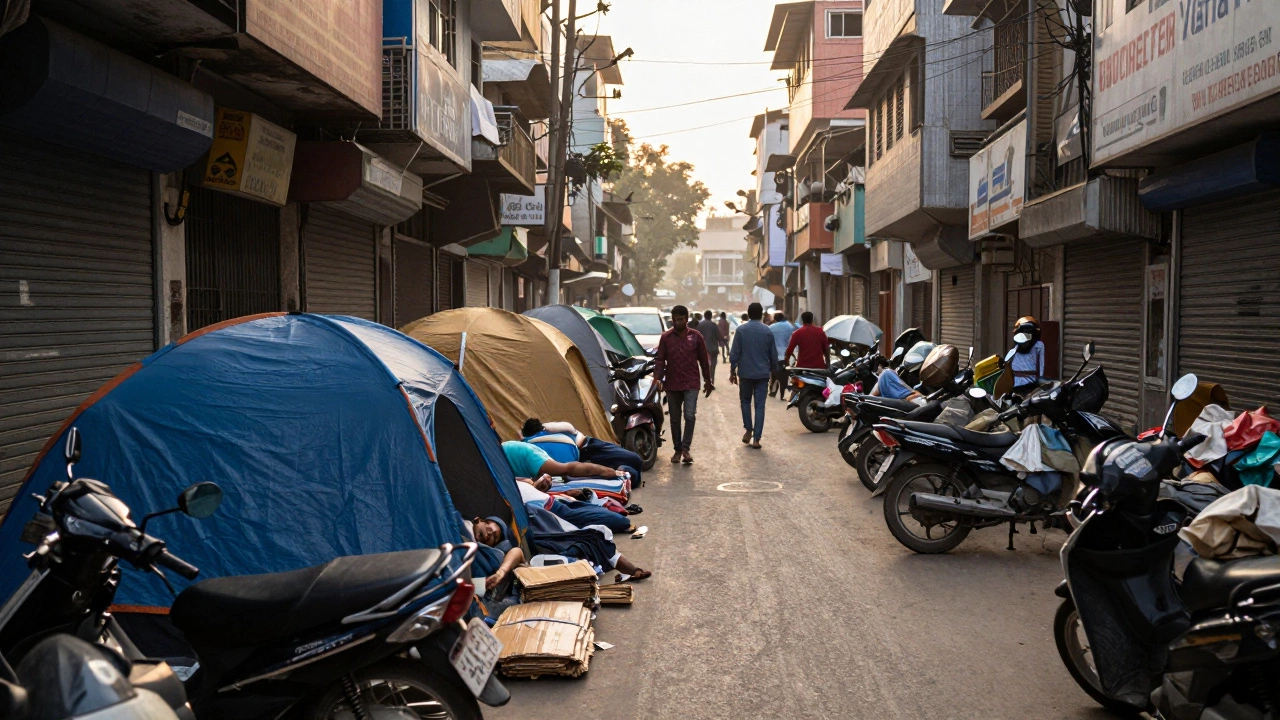
When someone has nowhere else to go, a homeless shelter, a temporary safe space offering food, sleep, and basic services to people without stable housing. Also known as emergency housing, it’s often the first step out of the streets—not a solution, but a lifeline. These aren’t just places to sleep. They’re run by nonprofits, churches, or city agencies, and many offer case management, job referrals, mental health support, and connections to long-term housing programs like rapid re-housing, a system that helps people move out of homelessness quickly with rent help and personalized support. In states like Texas and Arkansas, shelters work alongside state-funded programs to fill gaps where government aid falls short.
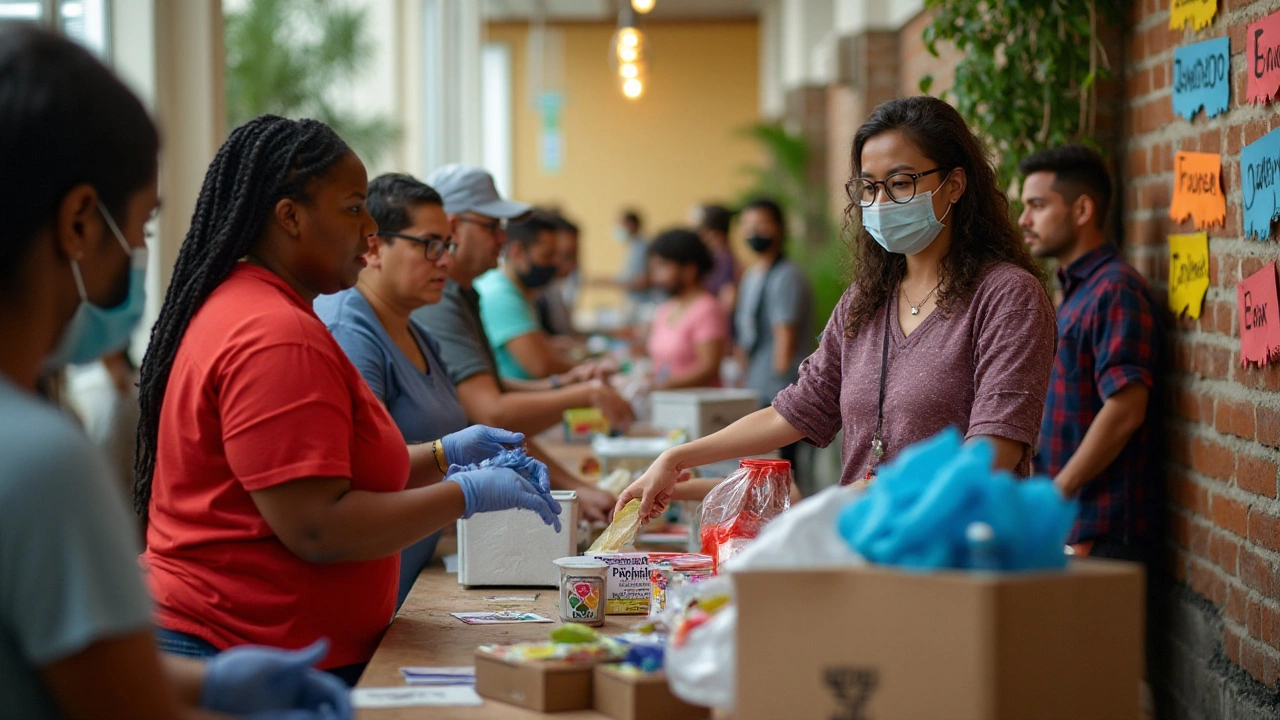
Not everyone who needs help can walk into a shelter. Some have strict rules—no pets, no couples, no alcohol. Others are full, especially in cities with high housing costs. That’s why homeless assistance, a broad term covering shelters, food banks, outreach teams, and housing vouchers matters. It’s not just about beds. It’s about outreach workers knocking on doors, volunteers handing out hygiene kits, and programs like Start Smart Program, a targeted effort helping homeless youth get housing, education, and mental health care. These efforts are connected. A shelter might refer someone to a food bank. A food bank might connect them to a housing advocate. And that advocate might help them apply for a voucher that finally gets them into an apartment.
Many people think shelters are only for adults. But they serve families, veterans, teens, and seniors too. In Virginia, the Senior Food Program, a service providing free meals and delivery to adults 60+ often works hand-in-hand with local shelters. And if you’re sleeping in your car because you can’t find a bed, you’re not alone—some states ban it, but others have partnerships with shelters that offer safe parking. The real question isn’t just "Where can I sleep?" It’s "What comes next?" That’s why the posts below don’t just list shelters. They show you how to qualify for housing help, how outreach teams find people in need, how to start a fundraiser for a local shelter, and how to tell if a charity is actually doing good work. You’ll find real steps, real programs, and real people who’ve been there. This isn’t theory. It’s what works—on the ground, in your community, right now.