
Real-Life Support Group Examples: How They Work and Why They Matter
Explore what a real support group looks like, with practical examples, tips, and a deep dive into how these communities help people cope and heal together.
Read MoreWhen we talk about mental health, a person’s emotional, psychological, and social well-being that affects how they think, feel, and handle daily life. Also known as emotional well-being, it’s not something you only think about when things go wrong—it’s part of everyday life, just like eating or sleeping. Too many people act like mental health is a private issue, something you fix alone with a therapist or a pill. But the truth? Most people who feel better don’t just get treatment—they get connection.
That’s where community support, local networks of people who offer help, understanding, and practical resources to those struggling with mental health challenges. It includes everything from peer groups to food programs that reduce stress by meeting basic needs comes in. Think of the Start Smart Program in Arkansas, a youth initiative that gives homeless teens housing, job training, and mental health services all in one place. Or the Senior Food Program in Virginia, which doesn’t just deliver meals—it delivers dignity, routine, and human contact to older adults who might otherwise be isolated. These aren’t just services. They’re lifelines built on the idea that no one should face mental strain alone.
And it’s not just about formal programs. Volunteering, giving your time to help others, often improves your own mental health as much as it helps them is a two-way street. People who volunteer regularly report lower stress, less anxiety, and a stronger sense of purpose. That’s not magic—it’s science. When you show up for someone else, your brain releases chemicals that help you feel calmer and more connected. The same goes for joining a social club, a group of people who meet regularly for shared activities, creating natural bonds that protect against loneliness. Whether it’s a book club, a gardening group, or a school club for teens, these spaces give people a reason to get up, show up, and stay engaged.
That’s why so many of the posts here focus on outreach—not as a buzzword, but as a real action. Whether it’s helping someone find a food bank, guiding youth out of homelessness, or simply making sure someone knows they’re not invisible, these efforts are mental health work. You don’t need a degree to do it. You just need to care enough to show up.
Below, you’ll find real guides on how to build these kinds of supports—from organizing charity events that bring people together, to understanding how to prove your volunteer work, to choosing the right words when talking about community help. No fluff. No jargon. Just what works.
Explore what a real support group looks like, with practical examples, tips, and a deep dive into how these communities help people cope and heal together.
Read More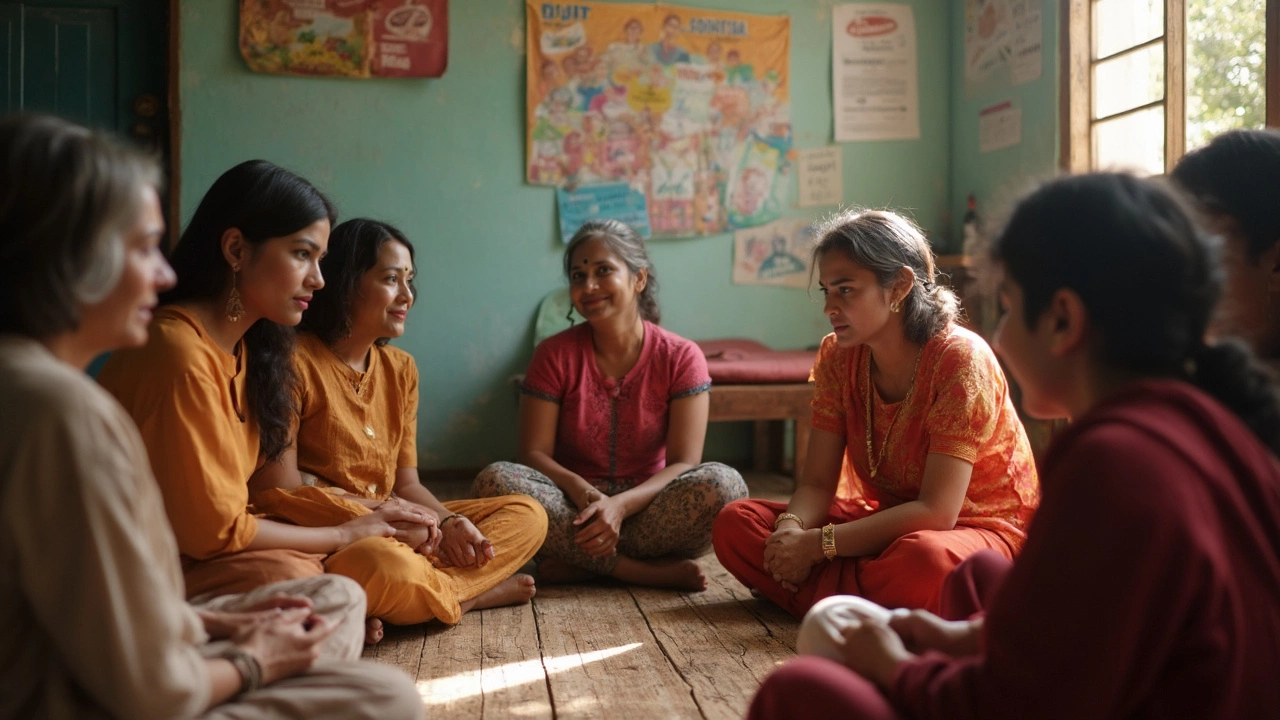
Struggling to find people who truly get what you’re going through? This article breaks down simple ways you can connect with supportive groups in your area. Learn what to look for, where to search, and how to feel comfortable as you start reaching out. You’ll also get tips on building real, lasting connections, even if you’re shy or new to asking for help. Discover practical steps that make joining a local support group less intimidating.
Read More
Are your surroundings messing with your mood or even your health? This article breaks down how your environment—from the air you breathe to the sounds you hear—really impacts you. You'll find some quirky facts, easy tips, and science-backed secrets about how to make your personal space work for you. It’s not just nature junkies: anyone can get real benefits from better surroundings. Dive in to see how simple changes could boost your mind and life.
Read More
Mind is often considered a leading charity in the mental health sector in the UK. But what makes it stand out from the rest? This article explores the services, outreach, and impact that Mind has in the mental health community. We'll also look at how it compares to other charities and provide tips on how you can engage with or support these important initiatives.
Read More
Explore the influential figures in mental health philanthropy who are making significant contributions to mental health awareness and support. Learn about their impact, motivation, and the organizations they support. Discover practical tips on how these philanthropists approach giving. Gain insights into how you can participate in supporting mental health initiatives.
Read More
Support groups might seem like a mystery if you've never attended one. Are they worth the time? Discover how support groups offer a sense of community, provide accountability, and can be a safe space for people going through similar experiences. Whether you're dealing with grief, addiction, or mental health issues, we'll explore the potential benefits and some practical tips for finding the right one.
Read More
Discovering a rare mental health charity can feel like finding a hidden gem in a vast landscape. These specialized organizations offer support to individuals affected by uncommon mental conditions that often fly under the radar. With their targeted resources, they play a crucial role in providing care and raising awareness. Learn more about how these charities operate and the impact they have on communities.
Read More
Mental illness can be influenced by a variety of environmental factors ranging from prenatal conditions to urban noise. Identifying these triggers is crucial for prevention and management. The article explores how one's surroundings can impact mental health, highlighting lesser-known elements like climate change and community structures. It also offers insights into recognizing symptoms linked to these factors, emphasizing the importance of creating supportive environments.
Read More