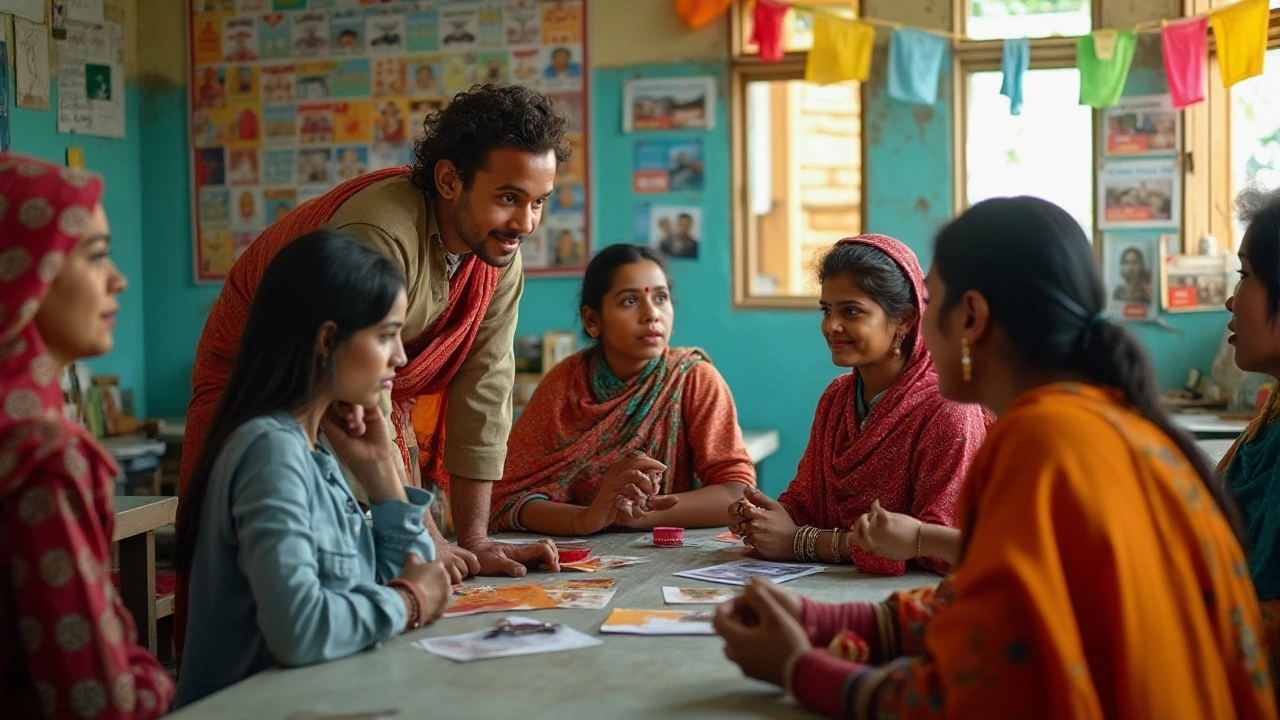
Public Engagement: How Communities Drive Real Change
When people come together to solve problems, that’s public engagement, the active involvement of individuals in shaping community decisions and supporting local initiatives. It’s not just attending meetings or signing petitions—it’s showing up, organizing, and following through. This is how neighborhoods get clean water, schools get funding, and homeless youth find housing. Public engagement doesn’t need a big budget. It needs people who care enough to take the first step.
It connects directly to community outreach, the deliberate effort to reach and involve people who are often left out of decision-making. You see it in the five key roles every outreach team needs—from coordinators to volunteers—so no one gets burned out. It shows up in how environmental groups don’t just protest, but restore wetlands, pass local laws, and teach kids about recycling. And it’s the reason why the Start Smart Program in Arkansas helps 78% of homeless youth get off the streets: because someone built a plan, found the right people, and kept showing up.
Public engagement also relies on volunteer work, the unpaid but essential labor that keeps charities, food banks, and youth programs running. You can’t run a fundraiser without volunteers. You can’t deliver meals to seniors without them. You can’t grow a school club or prove your impact without tracking what you did. That’s why knowing how to prove your volunteer status matters—it’s not just for your resume, it’s how you keep the system alive.
And it’s not just about helping. It’s about power. When people organize, they shift who gets heard. The Senior Food Program in Virginia didn’t happen by accident. It happened because someone asked, "Why aren’t we feeding our elders?" and kept asking until the answer changed. The same goes for rapid re-housing, ESAP scholarships, and food bank access. These aren’t magic solutions. They’re the result of consistent, grounded public engagement.
What you’ll find below isn’t theory. It’s what people actually did—how long a fundraiser should last, who runs outreach teams, where adults make real friendships, and how to turn a wacky school day into a fundraiser that works. These aren’t abstract ideas. They’re steps someone took, failed at, fixed, and repeated until it stuck. If you’ve ever wondered how change happens, look here. It starts with one person showing up. Then another. Then a plan. Then action.