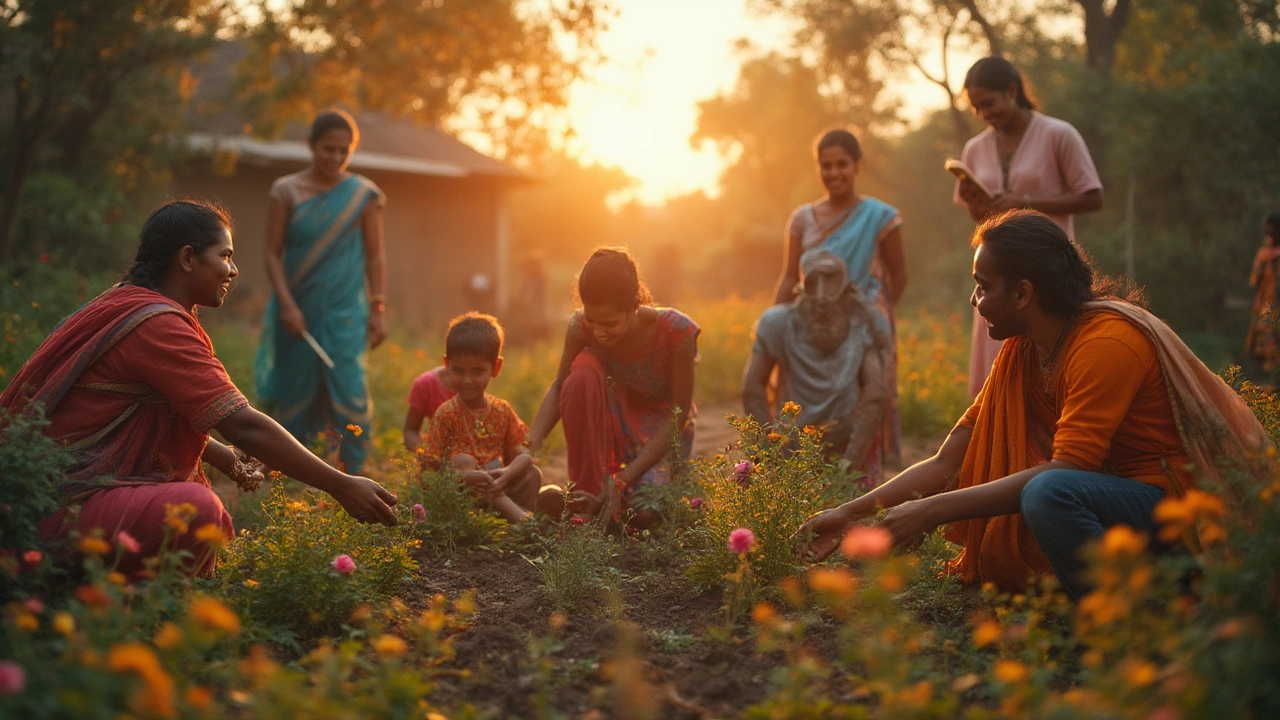
Social Connection: Build Real Ties That Last
When we talk about social connection, the meaningful bonds people form through shared experiences, trust, and regular interaction. Also known as human connection, it’s what turns neighbors into allies, strangers into supporters, and loneliness into belonging. This isn’t just about liking someone’s post—it’s about showing up, listening, and staying involved. People who feel connected are healthier, more resilient, and more likely to help others. And communities that prioritize social connection see lower crime, better mental health outcomes, and stronger local action.
Community outreach, the intentional effort to reach and engage people outside traditional systems. Also known as public engagement, it’s how organizations bridge gaps between services and those who need them. Whether it’s handing out meals to seniors, organizing a school club, or knocking on doors to explain a new program, outreach only works when it builds trust—not just distributes info. And that trust comes from repeated, honest contact. You can’t outsource connection. It takes time, consistency, and real presence.
Volunteering, giving time without pay to support a cause or group. Also known as community service, it’s one of the most reliable ways to form deep social ties. Studies show people who volunteer regularly report higher life satisfaction—not because they’re helping others, but because they’re being seen, needed, and included. That’s the hidden engine of social connection. Same goes for social clubs, groups formed around shared interests that create regular, low-pressure interaction. Also known as community groups, they’re not about grand events—they’re about showing up every week, knowing your name, and having someone ask how you are. These aren’t luxury extras. They’re infrastructure. The same people who run food banks, lead school clubs, or organize charity events are the ones stitching communities together. They’re not just doing tasks—they’re building the invisible glue that holds neighborhoods together.
What you’ll find below isn’t a list of ideas. It’s a toolkit. Real examples of how people turned isolation into involvement. How a 3-hour fundraiser built more than money—it built relationships. How assigning clear roles in outreach kept volunteers from burning out. How replacing jargon like "outreach" with plain language made people actually show up. How a simple program for homeless youth in Arkansas gave them more than housing—it gave them a team. These aren’t theories. They’re lived experiences. And they all point to one truth: if you want change, start by showing up—and stay long enough to be known.