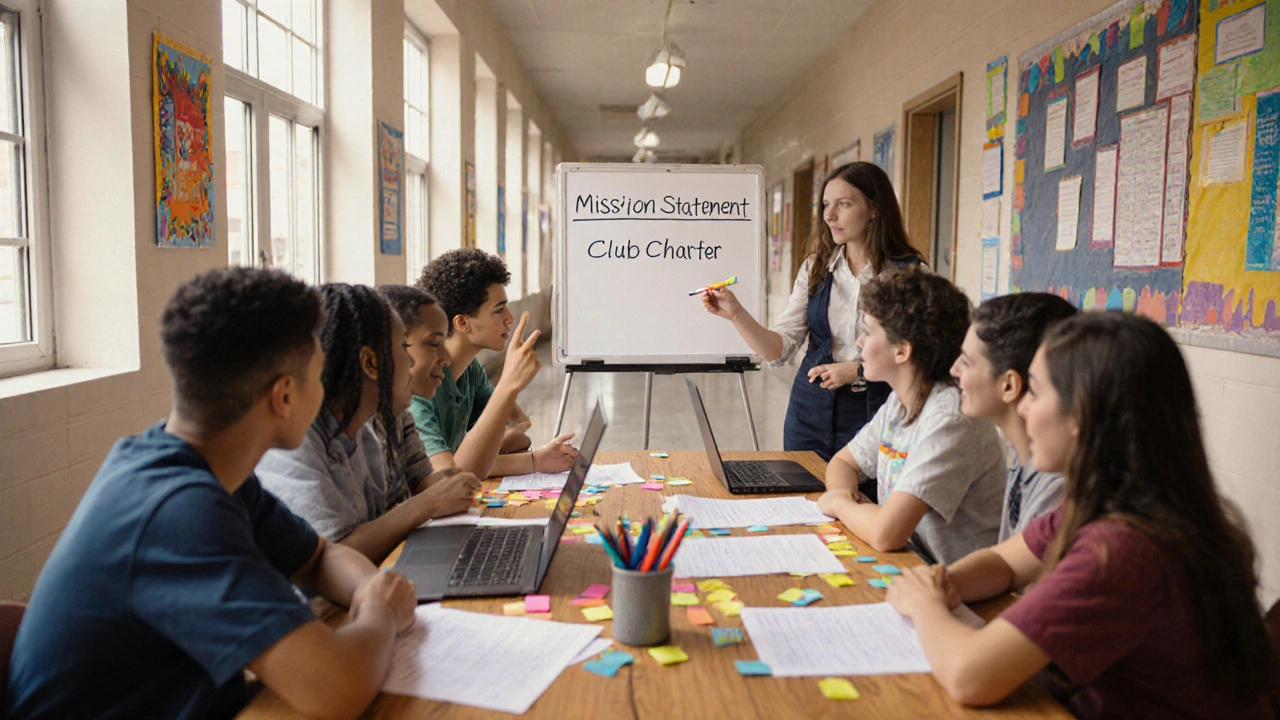
How to Grow Your School Club: Proven Steps & Tips
Learn how to grow a school club with clear steps, leadership tips, funding ideas, recruitment tactics, and retention strategies for lasting impact.
Read MoreWhen we talk about student engagement, the active participation of students in learning, service, and civic activities outside the classroom. Also known as youth involvement, it’s not just about attendance—it’s about students taking ownership of problems in their neighborhoods and helping solve them. Schools that focus on this don’t just teach theory. They let students run food drives, design clean-up campaigns, or partner with local nonprofits to shape real programs. This isn’t extra credit. It’s how young people learn what democracy, empathy, and responsibility actually look like.
Community outreach, the process of connecting organizations with people who need help or information works best when students are at the center. A high school class doesn’t just hand out meals—they figure out who needs them, when, and how to deliver them. A college group doesn’t just write a letter to a politician—they organize a town hall with local seniors. These aren’t isolated events. They’re volunteer programs, structured opportunities for people to contribute time and skills to a cause that turn interest into action. And when students lead them, the results stick. Studies show young people who engage in meaningful service are more likely to vote, donate, and stay involved for life.
But student engagement isn’t just about charity. It’s about student activism, organized efforts by students to push for social, political, or environmental change. From walking out to demand climate action, to starting peer-led mental health groups, students are rewriting what civic participation looks like. They’re not waiting for permission. They’re building the tools themselves: outreach plans, fundraising events, volunteer logs, and awareness campaigns. The posts below show exactly how this works—whether it’s a Wacky Day at school raising money for a food bank, or a youth program in Arkansas helping homeless teens get housing and job training. These aren’t fluff projects. They’re real systems built by students, for their communities.
What you’ll find here isn’t a list of ideas. It’s a toolkit. From how long a fundraiser should last to how to assign roles so no one burns out, these posts show the gritty details behind what actually works. No theory. No buzzwords. Just clear steps, real examples, and the kind of practical advice that turns a good intention into a lasting impact.
Learn how to grow a school club with clear steps, leadership tips, funding ideas, recruitment tactics, and retention strategies for lasting impact.
Read More
Kids want after-school clubs to feel lively, not like another boring class. This article shares practical ways to make clubs more fun, including playful activities, student-led projects, and unexpected themes. You'll learn how to mix things up so kids stay excited every week. Discover how simple shifts in structure can encourage creativity and teamwork. Give your club fresh energy and keep kids asking for more.
Read More