Texas Homeless Assistance: Programs, Funding, and Impact
Explore how Texas supports homeless individuals through state funding, major programs, city initiatives, and practical steps to get help.
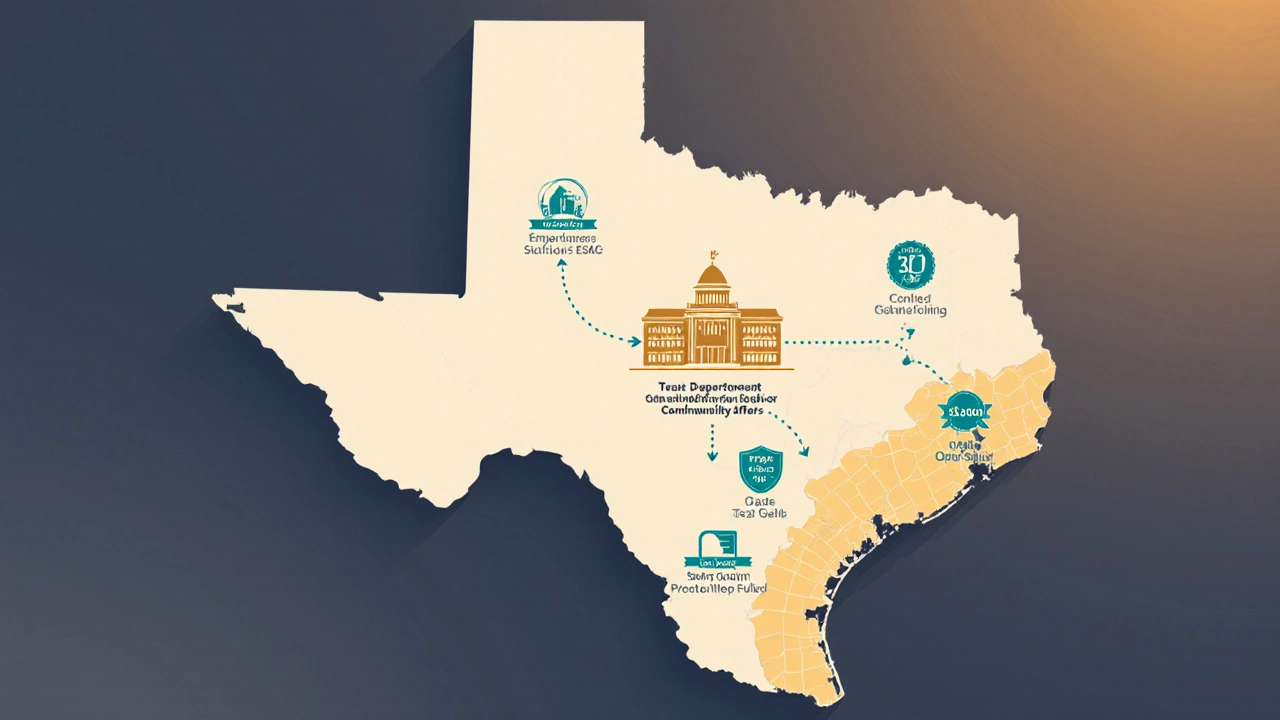
Read MoreWhen someone is sleeping in their car or staying in a shelter in Texas, they’re not alone—and help exists, but it’s not always easy to find. Texas aid for homeless, a network of state-funded programs, nonprofit services, and local initiatives designed to provide housing, food, and case management to people without stable homes. Also known as homeless assistance Texas, it includes everything from emergency shelters to long-term housing vouchers and job training. This isn’t just about a bed for the night—it’s about getting people back on their feet with real support.
Rapid re-housing, a proven approach that helps people move out of homelessness quickly by covering rent, security deposits, and providing short-term case management. Also known as housing support Texas, this program doesn’t require perfect credit or a job—just a willingness to work with a caseworker. In cities like Houston, Dallas, and Austin, these programs have helped thousands move from shelters into apartments within weeks. Then there’s Texas homeless youth programs, targeted services for teens and young adults aged 16 to 21 who’ve aged out of foster care or fled unsafe homes. Also known as youth homelessness Texas, these programs offer housing, education help, mental health counseling, and even job placement. And for older adults? Senior housing assistance, a quieter but vital part of Texas’s safety net that connects low-income seniors to subsidized housing and meal programs. Also known as senior housing Texas, it’s often overlooked but critical for people on fixed incomes.
What these programs share is a simple goal: stop the cycle of homelessness before it becomes permanent. They’re not perfect—waitlists are long, funding shifts yearly, and not every county offers the same services. But they’re real. And they work when people know how to access them. You don’t need a social worker to get started. Often, all it takes is calling a local nonprofit, walking into a community center, or asking at a food bank. The system isn’t flashy, but it’s built on people showing up—for each other, not just paperwork.
Below, you’ll find practical guides on how to qualify for housing help, what documents you actually need, where to find emergency cash, and how to navigate the confusing maze of state and local programs. No fluff. No jargon. Just what works in Texas right now.
Explore how Texas supports homeless individuals through state funding, major programs, city initiatives, and practical steps to get help.
Read More