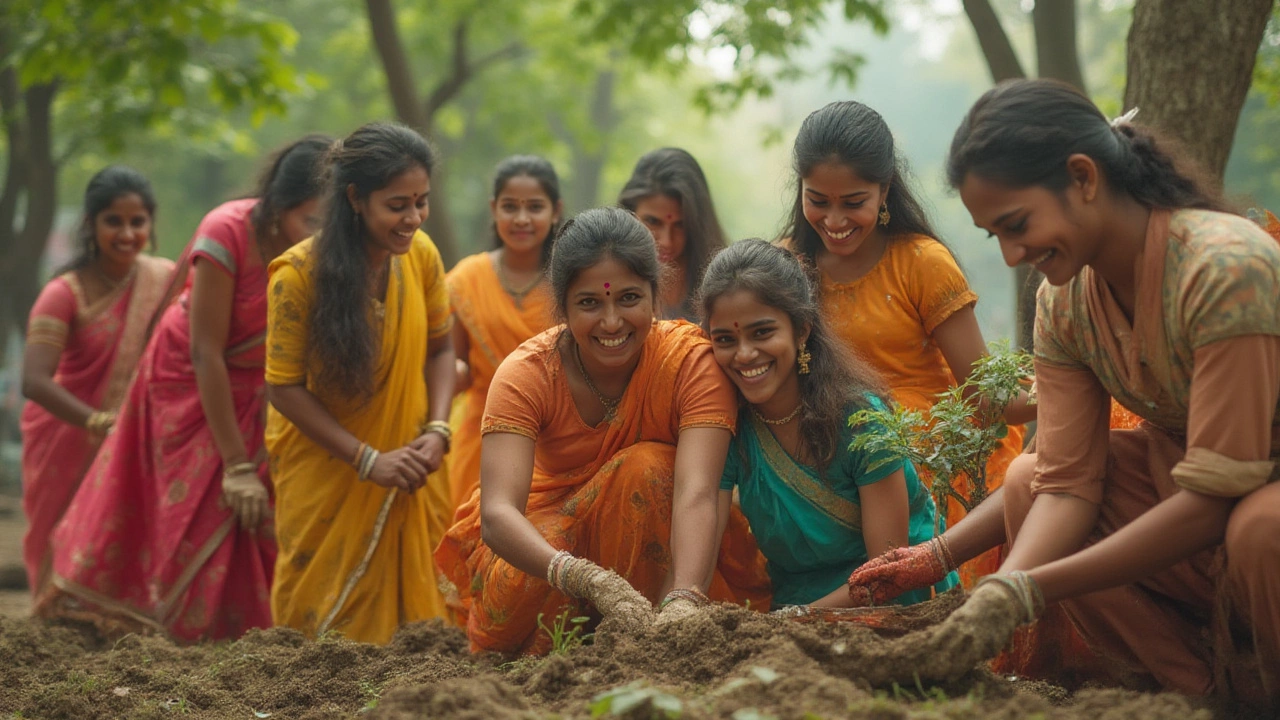
Which Gender Volunteers the Most? Surprising Facts and Insights
Explore if women or men volunteer more, discover why, and learn what drives different genders to give back. In-depth analysis and tips inside!
Read MoreWhen people talk about volunteer trends, the changing patterns in how and why people give their time to community causes. Also known as volunteer engagement, it’s not just about counting heads—it’s about understanding what keeps someone showing up week after week, or why they walk away after one event. Over the last five years, the old model of ‘volunteers = free labor’ has collapsed. People aren’t signing up just because they feel guilty or want to look good on a resume. They want purpose, flexibility, and real impact.
volunteer retention, how long people stay involved after they start. Also known as volunteer turnover, it’s the quiet crisis behind many nonprofits. A 2023 study by the Corporation for National and Community Service found that nearly 40% of new volunteers quit within three months—not because they didn’t care, but because they weren’t given clear roles, feedback, or a sense of belonging. Meanwhile, community volunteering, local, hands-on help that connects people directly to neighborhood needs. Also known as local civic action, is growing fastest in places where organizations treat volunteers like partners, not just helpers. Think of it like this: you wouldn’t hire an employee and then leave them in a closet with a to-do list. Yet that’s what too many groups still do with volunteers.
What’s changing? volunteer motivation, the reasons people choose to give time instead of money. Also known as intrinsic reward systems, it’s shifted from vague ideals to tangible outcomes. People want to see the difference they made—whether it’s a meal delivered, a kid tutored, or a park cleaned up. They’re more likely to return if they get a quick update, a photo, or even a handwritten thank-you note. The days of generic ‘thank you’ emails are over. And it’s not just about age. Gen Z volunteers don’t want six-month commitments. They want one-hour micro-tasks they can do on their lunch break. Boomers still show up for monthly soup kitchens, but they’re also starting online mentoring programs. The trend isn’t one thing—it’s many things happening at once.
You’ll find posts here that break down real examples: how one food bank cut volunteer drop-off by 60% by simply changing their onboarding process, how a youth group doubled participation by letting teens design their own projects, and why calling someone a ‘volunteer coordinator’ instead of ‘event helper’ makes them feel more valued. There’s no magic formula—but there are clear patterns. The best organizations don’t just ask for time. They ask for input. They listen. They adapt.
Below, you’ll find real stories from groups that got this right—and those that didn’t. No fluff. No theory. Just what’s working on the ground, right now, in communities across the U.S. and beyond.
Explore if women or men volunteer more, discover why, and learn what drives different genders to give back. In-depth analysis and tips inside!
Read More