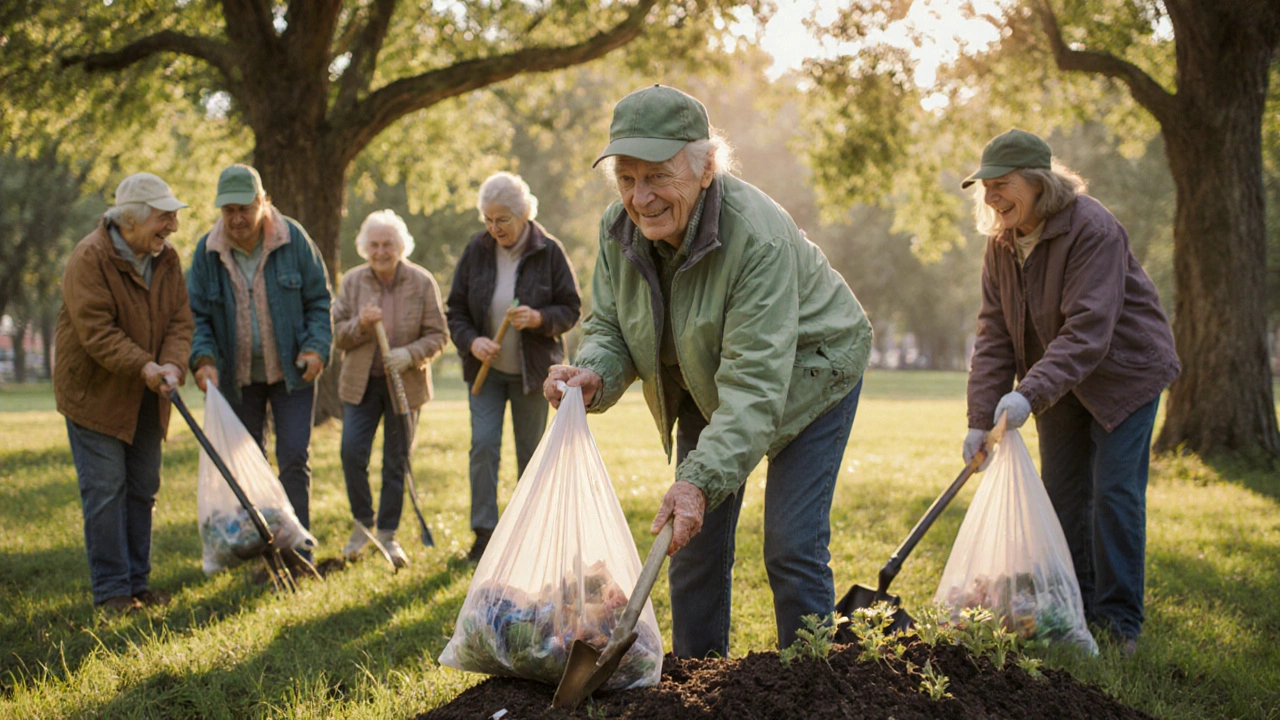
Top 5 Benefits of Volunteering You Should Know
Discover the top five ways volunteering improves mental health, builds skills, expands networks, boosts community impact, and fosters personal growth.
Read MoreWhen you volunteer, you’re not just giving time—you’re helping build stronger volunteering impact, the measurable difference made by unpaid work that supports communities, nonprofits, and vulnerable populations. It’s not about how many hours you log, but what those hours actually achieve. Many people think volunteering means handing out food or painting a wall, but real volunteering impact happens when skills, consistency, and clear goals come together. A single person organizing weekly meal deliveries for seniors can do more than a hundred one-day cleanup crews if the effort is sustained and connected to real needs.
community outreach, the process of connecting organizations with the people they serve through direct, trusted interaction is where most of this impact lives. Whether it’s door-to-door canvassing for a food bank, running a youth mentoring program, or helping homeless families find housing, outreach turns abstract causes into personal connections. And it’s not magic—it’s structure. The most effective outreach teams have clear roles: coordinators, communicators, logistics leads. Without them, even the best intentions burn out fast. That’s why posts here break down exactly how to assign tasks, avoid volunteer fatigue, and measure what works.
Then there’s nonprofit organizations, structured groups that operate for public benefit, not profit, relying on volunteers to deliver services from food aid to environmental restoration. These groups don’t run on goodwill alone. They need reliable people who can prove their work—through logs, certificates, or reference letters. That’s why volunteer verification, the formal process of confirming someone’s service for jobs, visas, or tax benefits matters. A signed letter from a nonprofit isn’t just paperwork—it’s proof that your effort had weight.
You’ll find real examples here: how a 4-hour fundraiser can raise thousands without burning out volunteers, how outreach roles are assigned so no one is overwhelmed, how environmental groups actually restore land—not just protest—and how programs like Virginia’s Senior Food Program or Arkansas’s Start Smart initiative rely on volunteers to function. This isn’t theory. These are the tools, stories, and systems used by people who’ve seen change happen because someone showed up, week after week.
What you’ll see below isn’t a list of random articles. It’s a roadmap. If you’ve ever wondered whether your effort makes a difference, or how to turn your passion into something that lasts—this is where you start.
Discover the top five ways volunteering improves mental health, builds skills, expands networks, boosts community impact, and fosters personal growth.
Read More