
Volunteer Readiness & Fit Calculator
Commitment Check
Reliability is the foundation of trust in volunteering.
Competence Check
Skills matter more than good intentions alone.
Connection Check
Building bridges is essential for sustainable service.
Compassion Check
Empathy-driven action without judgment or pity.
Analyzing Your Profile...
Please wait while we calculate your volunteer readiness score.
Your 4 C's Breakdown:
Commitment
0/10
Competence
0/10
Connection
0/10
Compassion
0/10
Personalized Recommendations:
Ever walked into a charity shop or signed up for a beach cleanup, only to feel like you were just filling a seat? You showed up, you did the task, but something felt... empty. That disconnect is exactly why the 4 C's of volunteering exist. They aren't just buzzwords for nonprofit brochures; they are the structural pillars that turn random acts of kindness into sustainable, impactful service.
If you're looking to get involved in Sydney or anywhere else, understanding these four components-Commitment, Competence, Connection, and Compassion-changes everything. It shifts your role from being 'free labor' to being a strategic partner in social change. Let’s break down what each 'C' actually means in practice, how they interact, and why ignoring even one can lead to burnout or ineffective help.
1. Commitment: The Foundation of Trust
Think about it this way: if you’re helping build a community garden, pulling weeds for two hours once a year doesn’t really move the needle. But watering plants weekly, weeding monthly, and attending planning meetings quarterly? That’s commitment. It builds trust between the volunteer and the organization. Without this reliability, programs collapse. Studies in organizational behavior consistently show that retention rates for volunteers drop significantly when expectations around time commitments are unclear or unrealistic from the start.
- Consistency: Showing up when you say you will, rain or shine.
- Dedication: Putting effort into learning the role, not just going through the motions.
- Long-term view: Understanding that social issues don’t get fixed in a weekend.
A common pitfall here is over-committing. Many eager helpers sign up for too many hours because they want to ‘do good’ quickly. This leads to burnout within months. Smart commitment involves setting boundaries that allow you to sustain your involvement for years, not just weeks.
2. Competence: Skills Matter More Than Good Intentions
Competence isn’t just about professional degrees. It includes soft skills like active listening, cultural sensitivity, and basic administrative abilities. For example, if you’re volunteering as a mentor for at-risk youth, having patience and conflict-resolution skills is just as important as knowing algebra. Organizations need to provide adequate training to bridge gaps, but volunteers must also bring their best game.
| Volunteer Skill | Typical Role | Impact Level |
|---|---|---|
| Graphic Design | Campaign Materials | High (Increases visibility) |
| Accounting | Grant Reporting | Critical (Ensures funding compliance) |
| Active Listening | Crisis Hotline | High (Direct emotional support) |
| General Labor | Event Setup | Medium (Operational necessity) |
When competence aligns with need, efficiency skyrockets. A skilled volunteer can often accomplish in one hour what takes an untrained person five. This frees up paid staff to focus on high-level strategy rather than micromanaging basic tasks.
3. Connection: Building Bridges, Not Just Tasks
In Sydney, where multicultural communities thrive, connection also means cultural bridging. A volunteer who connects with refugees by learning basic phrases in their native language creates a warmer, safer environment than one who just hands out forms. Connection transforms transactional help into relational support. It humanizes statistics.
Organizations foster connection through team-building activities, shared meals, and open communication channels. Volunteers should seek roles that allow for meaningful interaction, not just isolated data entry. Ask yourself: Will I meet people? Will I learn from them? If the answer is no, you might be missing out on the most rewarding part of the experience.

4. Compassion: The Heartbeat of Service
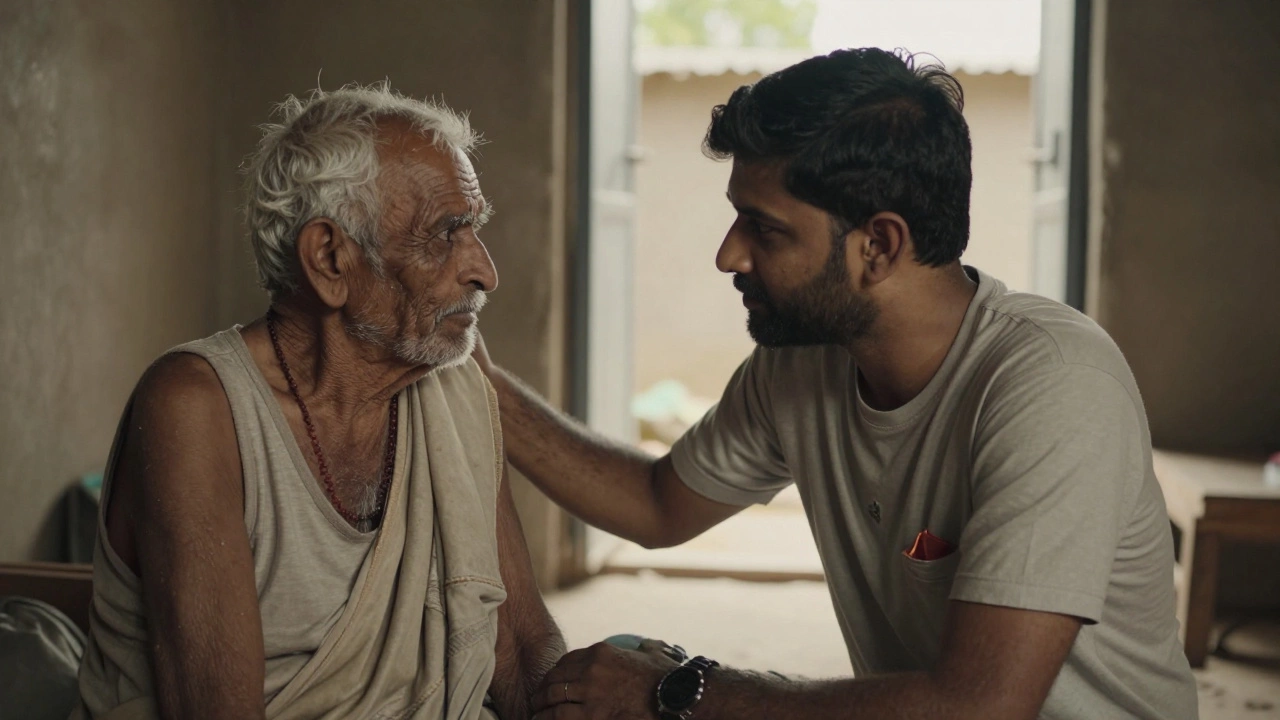
This is crucial in fields like healthcare volunteering or homelessness outreach. Approaching someone with pity can be demeaning. Approaching them with compassion recognizes their humanity and struggles. Compassionate volunteers listen more than they speak. They avoid savior complexes. They understand that systemic issues require systemic solutions, and their role is supportive, not heroic.
Burnout often strikes when compassion turns into compassion fatigue-where emotional exhaustion overrides empathy. Protecting your own mental health is part of maintaining compassionate service. Set boundaries. Take breaks. Remember that you are a resource, not a rescue vehicle.
How the 4 C's Work Together
These four elements don’t operate in silos. They form an ecosystem. Imagine a triangle with Commitment, Competence, and Connection at the corners, and Compassion at the center holding it all together. Remove one corner, and the structure wobbles. Lack of commitment leads to unreliable service. Lack of competence leads to errors or inefficiency. Lack of connection leads to isolation and turnover. Lack of compassion leads to cold, mechanical assistance that fails to inspire or heal.
For organizations, balancing these C’s is key to recruitment and retention. They need to screen for commitment, train for competence, facilitate connection, and nurture compassion. For volunteers, self-assessing against these criteria helps you choose the right fit. Are you ready to commit? Do you have the skills? Do you value relationships? Is your motivation rooted in genuine care?
Practical Steps to Apply the 4 C's
- Self-Assessment: Before signing up, list your available hours (Commitment), your top three skills (Competence), your preferred social environment (Connection), and your core motivations (Compassion).
- Research Organizations: Look for groups that mention training (Competence), team culture (Connection), and mission alignment (Compassion). Check reviews or talk to current volunteers.
- Start Small: Test your commitment level with a short-term project before locking in long-term obligations.
- Seek Feedback: After a few months, ask coordinators how you’re doing. Are you competent in your role? Are you connecting well?
- Reflect Regularly: Journal about your experiences. Are you feeling drained or energized? Adjust accordingly.
Common Pitfalls to Avoid
One major mistake is assuming that passion equals competence. You can love animals but lack the handling skills to work in a shelter. Another is neglecting connection by working remotely without any team interaction. Remote volunteering is valid, but it requires intentional efforts to stay connected. Finally, beware of 'voluntourism'-short trips abroad that prioritize the volunteer’s experience over local needs, often lacking true commitment or cultural competence.
In Australia, the National Volunteer Guidelines emphasize safety and respect, which ties directly into competence and compassion. Always ensure your volunteering opportunity adheres to these standards. Check if the organization has proper insurance, background checks, and clear codes of conduct.
The Future of Volunteering
As society evolves, so does volunteering. Digital platforms now connect global talents with local causes, expanding the definition of competence. Micro-volunteering-small, flexible tasks done online-allows busy professionals to contribute without massive time commitments, though it challenges the traditional notion of deep connection. Yet, the 4 C’s remain relevant. Even digital volunteers need commitment to finish projects, competence to use tools, connection to collaborate virtually, and compassion to understand the impact of their work.
Whether you’re painting a fence in Parramatta or designing a logo for a Melbourne startup incubator, grounding your efforts in these four principles ensures your contribution matters. It transforms goodwill into tangible progress.
What are the 4 C's of volunteering?
The 4 C's of volunteering are Commitment, Competence, Connection, and Compassion. These pillars ensure that volunteer efforts are reliable, skilled, relational, and empathetic, leading to more effective and sustainable outcomes for both the volunteer and the organization.
Why is competence important in volunteering?
Competence ensures that volunteers can perform tasks safely and efficiently. Mismatched skills can lead to errors, wasted resources, or even harm to beneficiaries. Proper training and skill alignment maximize the positive impact of volunteer work.
How can I find a volunteering role that fits my skills?
Start by listing your professional and personal skills. Then, search for nonprofits that need those specific abilities. Platforms like Seek Volunteer or local council websites often categorize opportunities by skill type. Don’t hesitate to ask organizations during interviews how your skills will be utilized.
Can I volunteer remotely using the 4 C's framework?
Yes. Remote volunteering still requires commitment to deadlines, competence in digital tools, connection through virtual collaboration, and compassion for the cause. The main challenge is fostering connection, so look for roles with regular video check-ins or team chats.
What is the difference between sympathy and compassion in volunteering?
Sympathy involves feeling pity for someone’s situation, which can create distance. Compassion involves empathizing with their struggle and taking action to help while respecting their dignity and agency. Compassion drives sustainable, respectful support.
How do I avoid volunteer burnout?
Set realistic time commitments, take regular breaks, and maintain boundaries. Connect with other volunteers for support. Remember that your worth isn’t tied to how much you give. Sustainable volunteering is better than short-term heroics that lead to exhaustion.
Are there legal requirements for volunteering in Australia?
While volunteering itself isn’t employment, organizations must follow workplace health and safety laws. Some roles, especially with children or vulnerable adults, require Working With Children Checks (WWCC) or police checks. Always verify what documentation is needed before starting.
How can organizations improve volunteer connection?
Organizations can host social events, create mentorship pairs, facilitate team projects, and encourage open feedback. Recognizing volunteers’ contributions publicly also strengthens their sense of belonging and value within the community.