Community Outreach Readiness Checker
Click on each aspect below to review its key components and mark it as complete in your current outreach plan.
1. Needs Assessment
Listening before speaking. Identifying real pain points through surveys and interviews.
2. Planning & Strategy
Setting SMART goals, defining target audiences, and allocating resources wisely.
3. Implementation
Executing activities with consistency, ensuring accessibility, and training volunteers.
4. Communication
Tailoring messages to specific channels and ensuring language accessibility.
5. Evaluation
Measuring impact using quantitative data and qualitative stories to learn from failures.
6. Sustainability
Building long-term relationships, securing funding continuity, and celebrating wins.
You’ve probably heard the term outreach thrown around in boardrooms and volunteer meetings. But what does it actually mean to do it well? It’s not just about handing out flyers or posting on social media. Real outreach is a structured process that connects your organization with the people who need you most. If you’re feeling overwhelmed by where to start, you aren’t alone. Many groups struggle because they treat outreach as a one-off event rather than a continuous cycle.
The secret to sustainable community connection lies in breaking outreach down into manageable parts. Experts often refer to this as the "six aspects of outreach." Think of these as the pillars holding up your engagement strategy. Without them, your efforts might feel scattered or ineffective. Let’s walk through each aspect so you can build a framework that actually works for your local context, whether you’re running a youth program in Sydney or supporting seniors in rural areas.
1. Needs Assessment: Listening Before You Speak
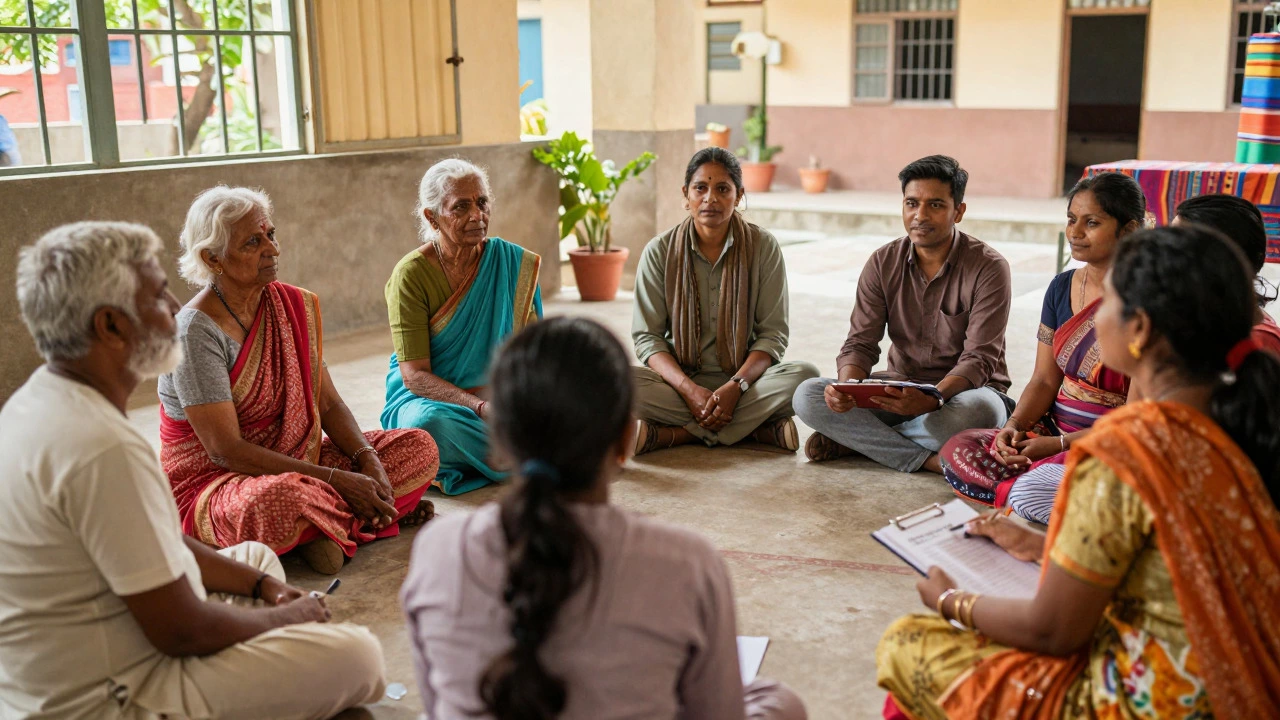
Before you launch any campaign, you need to know what the community actually wants. Too many organizations assume they know best. They design programs based on internal guesses, not real data. This leads to low participation and wasted resources. The first aspect of outreach is rigorous needs assessment.
This isn’t just about reading census data. You need qualitative insights. Talk to people. Hold focus groups. Survey residents about their pain points. Are parents struggling with childcare costs? Do elderly residents feel isolated? Use tools like SWOT Analysis to identify strengths, weaknesses, opportunities, and threats related to community needs. This step ensures you are solving real problems, not imaginary ones.
- Surveys: Keep them short and accessible. Offer paper copies for those without internet access.
- Interviews: Speak with key community leaders, such as teachers, shop owners, or religious figures.
- Data Review: Look at existing reports from local councils or health departments.
2. Planning and Strategy: Mapping Your Path
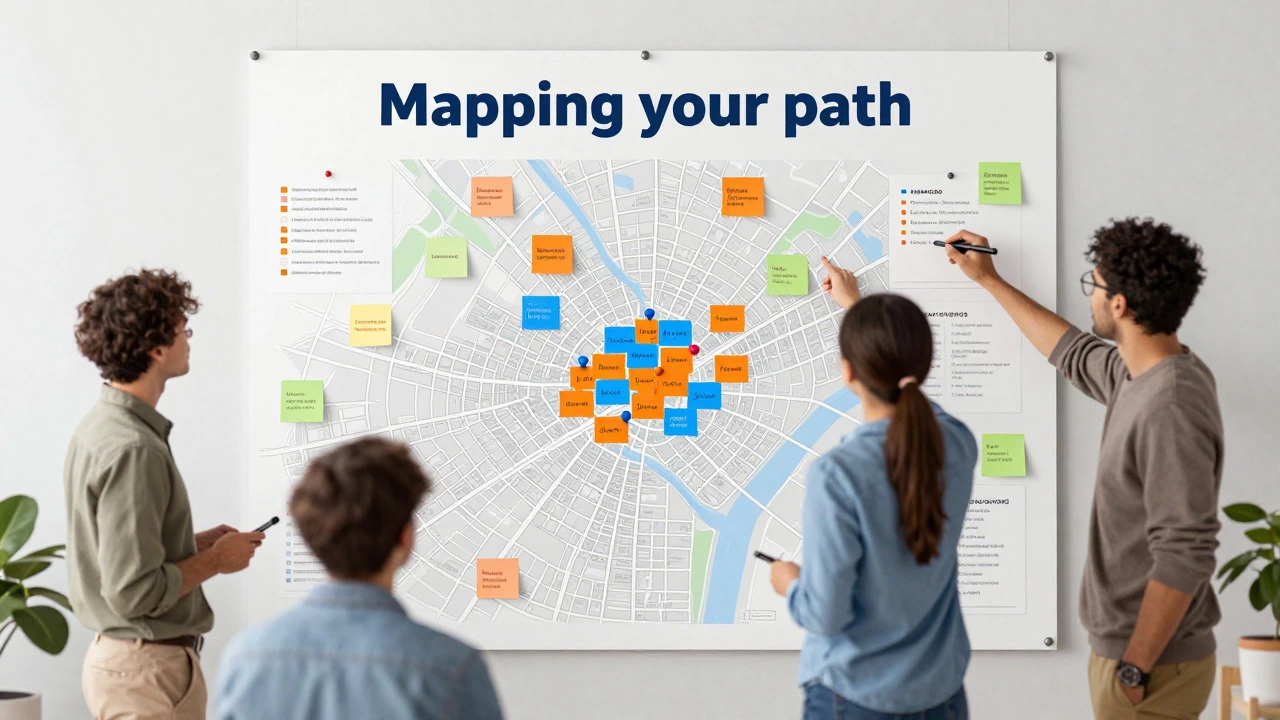
Once you know the needs, you need a plan. This is where many projects fail-they skip the strategic phase. Planning involves setting clear goals, defining your target audience, and allocating resources. You can’t reach everyone at once. Pick a specific segment to start with. Maybe it’s single-parent families in a specific suburb or young adults facing unemployment.
Your strategy should answer three questions: Who are we helping? What are we offering? How will we measure success? For example, if your goal is to increase vaccination rates among migrant communities, your strategy might involve partnering with local cultural centers rather than relying solely on hospital clinics. This targeted approach saves time and money. It also makes your message clearer.
| Component | Action Item | Example Metric |
|---|---|---|
| Goal Setting | Define SMART goals (Specific, Measurable, Achievable, Relevant, Time-bound) | Increase workshop attendance by 20% in Q3 |
| Audience Definition | Create detailed personas of target beneficiaries | Primary persona: Single parent, age 25-40 |
| Resource Allocation | Budget staff hours and materials | $500 allocated for printing and venue hire |
3. Implementation: Putting Ideas into Action
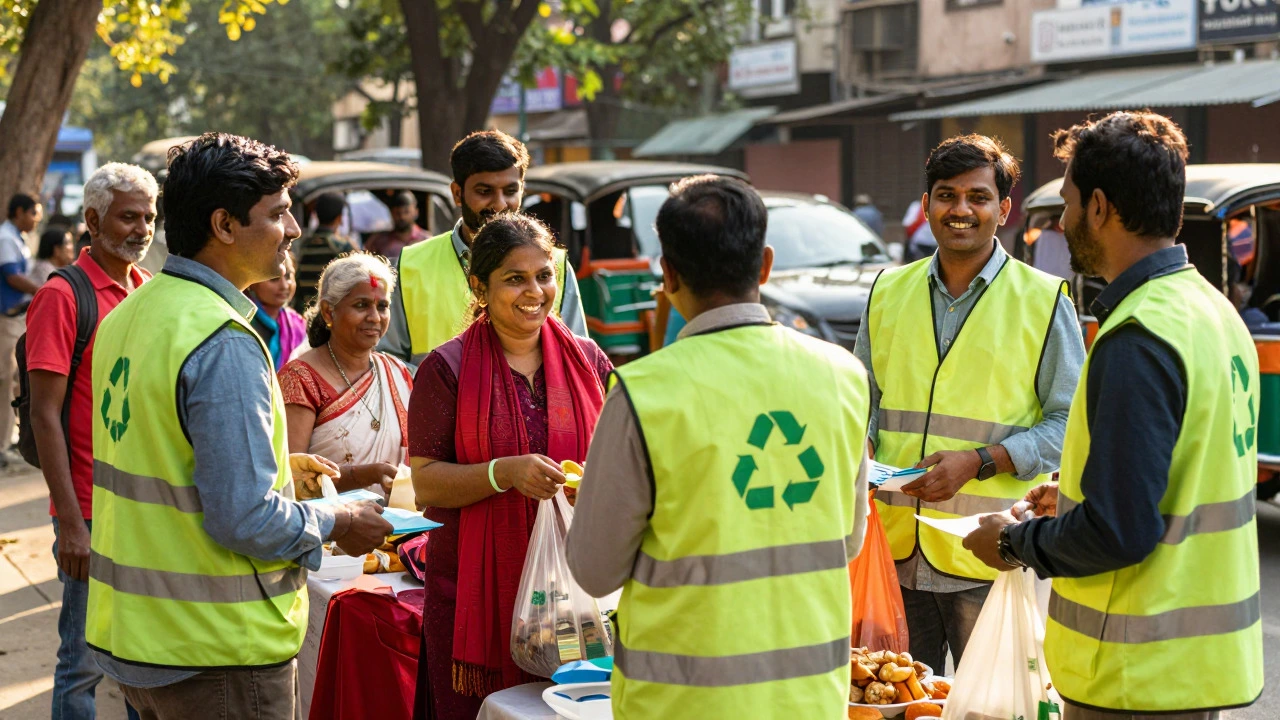
Planning is useless without execution. Implementation is the third aspect, and it’s where the rubber meets the road. This involves executing your planned activities, whether that’s hosting a town hall, launching a mobile app, or conducting door-to-door visits. Consistency matters here. One-off events rarely change behavior. You need repeated touchpoints.
Consider the logistics carefully. Is the venue accessible for people with disabilities? Is the timing convenient for shift workers? These details determine whether people show up. In Australia, many community groups find that combining practical help (like free meals) with information sessions boosts attendance significantly. People are more likely to engage if they get immediate value.
Also, train your volunteers. They are the face of your organization. If they are unprepared or rude, your outreach fails regardless of how good the plan was. Provide them with scripts, FAQs, and emergency contacts. Make sure they understand the mission deeply enough to answer tough questions confidently.
4. Communication: Tailoring Your Message
The fourth aspect is communication. It’s not just about talking; it’s about connecting. Different groups respond to different channels. Older demographics might prefer newsletters or radio ads, while younger audiences engage via Instagram or TikTok. Using a one-size-fits-all message usually results in noise, not signal.
Language accessibility is critical, especially in multicultural cities like Sydney. If your primary audience speaks Arabic or Mandarin, translating materials isn’t optional-it’s essential. Hire professional translators or use community bilingual volunteers. Avoid jargon. Instead of saying "psychosocial support," say "help dealing with stress and feelings." Clarity builds trust.
Feedback loops are part of communication too. Don’t just broadcast; listen. Create easy ways for people to ask questions or give feedback. QR codes on posters linking to a simple form work well. Respond promptly. Silence looks like indifference.
5. Evaluation: Did It Work?
You’ve done the work, but did it make a difference? Evaluation is the fifth aspect. It involves collecting data during and after your outreach activities. This isn’t just for grant reports; it’s for learning. What worked? What flopped? Why?
Use both quantitative and qualitative metrics. Quantitative data gives you numbers: how many people attended? How many signed up? Qualitative data gives you stories: why did they attend? What did they take away? Anecdotes can be powerful evidence of impact. For instance, a single story about a family finding housing assistance can illustrate the human side of your statistics.
Be honest about failures. If an event had poor turnout, analyze why. Was the weather bad? Was the topic irrelevant? Did the marketing miss the mark? Documenting these lessons prevents repeating mistakes. Tools like KPI Dashboards visual tools used to track key performance indicators in real-time can help visualize trends over time.
6. Sustainability: Keeping the Momentum
The final aspect is sustainability. Outreach shouldn’t end when the funding runs out or the project concludes. You need to build lasting relationships. This means integrating outreach into your organizational culture. Assign specific roles for ongoing engagement. Maintain contact lists. Send regular updates even when there’s no immediate call to action.
Funding continuity is also part of sustainability. Show funders your long-term vision. Demonstrate how current outreach lays the groundwork for future programs. Partnerships help here too. Collaborating with schools, businesses, or government agencies shares the burden and extends reach. A network is stronger than a solo actor.
Finally, celebrate wins. Acknowledge the hard work of volunteers and staff. Recognize community members who participated. Positive reinforcement keeps morale high and encourages continued involvement. Outreach is a marathon, not a sprint. Pace yourself accordingly.
Putting It All Together
These six aspects-Needs Assessment, Planning, Implementation, Communication, Evaluation, and Sustainability-are interconnected. Weakness in one area drags down the others. For example, poor evaluation leads to bad planning next time. Bad communication undermines implementation. View them as a cycle, not a checklist.
Start small. Pick one aspect to improve this month. Maybe refine your survey questions or update your social media strategy. Small steps lead to big changes. Remember, the goal isn’t perfection; it’s genuine connection. When people feel heard and supported, they become advocates for your cause. That’s the true power of effective outreach.
What is the difference between marketing and outreach?
Marketing focuses on promoting products or services to generate sales or awareness, often using broad messaging. Outreach is more relationship-driven, focusing on building trust and providing specific support to identified community groups. While marketing pushes messages out, outreach pulls people in through dialogue and service delivery.
How much budget should I allocate to outreach?
There is no fixed rule, but a common guideline is to allocate 10-20% of your total program budget to outreach and communications. However, this varies by sector. Health initiatives may require higher spending on educational materials, while digital campaigns might save on print costs. Always prioritize quality interactions over quantity of impressions.
Can small non-profits handle all six aspects of outreach?
Yes, but they don’t have to do it alone. Small teams can leverage volunteers, interns, and community partners. Automate repetitive tasks like email newsletters. Focus your limited resources on high-impact areas like direct conversations and tailored messaging. Simplicity is key for small organizations.
How do I measure success in community outreach?
Success is measured against your initial goals. Common metrics include number of participants, retention rates, satisfaction scores, and tangible outcomes like reduced isolation or increased knowledge. Combine statistical data with personal testimonials to get a full picture of impact.
What are common pitfalls in outreach planning?
Common pitfalls include assuming you know the community’s needs without asking, using inaccessible language, failing to follow up after initial contact, and neglecting to evaluate results. Another major issue is burnout from trying to do too much at once without proper resource allocation.