
Arkansas Home Buying Assistance Calculator
Enter Your Details
This is a 0% interest second mortgage (repaid upon sale/refinance).
Enter your details to see how much you might save on your next home in Arkansas.
You’ve probably seen the headline scrolling across your feed or heard it in a conversation at the grocery store: there’s a $10,000 grant for first-time home buyers in Arkansas. It sounds like a dream come true, especially if you’re tired of renting or navigating the precarious world of temporary housing. But here is the hard truth that most viral posts skip over: there is no single, universal check for $10,000 waiting for every new homeowner in the state.
If you are looking for this money because you are currently facing housing instability, or even homelessness, the landscape is different than what the internet suggests. The reality involves a mix of federal loans, local non-profit aid, and specific state programs that often require you to buy a home *and* work in certain fields. Let’s cut through the noise and find out where that money actually comes from, who really qualifies, and how you can access real financial help.
The Myth of the Universal Grant
First, we need to clear up a major misconception. A "grant" implies free money that you do not have to pay back. In the world of government housing assistance, pure grants are rare. Most of the programs advertised as "$10,000 grants" are actually zero-interest loans or deferred-payment second mortgages.
This distinction matters. If you get a loan, you will eventually pay it back, usually when you sell the house or refinance. However, for many buyers, this structure is still incredibly helpful because it reduces your monthly mortgage payment by lowering the amount you need to borrow from a traditional bank. The confusion arises because these programs are often bundled together under catchy marketing names, leading people to believe they are getting a straight handout rather than a structured financial tool.
Where the Money Actually Comes From
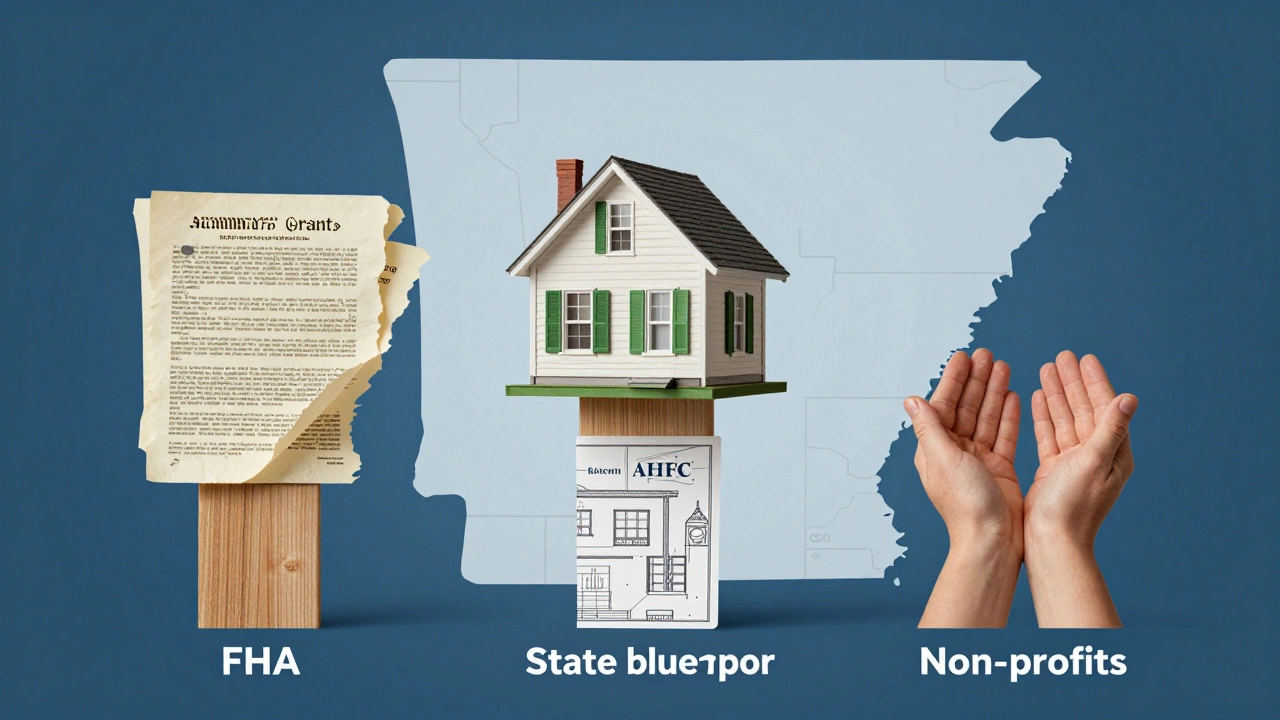
So, if there isn’t one big pot of cash, where do these funds originate? They come from three main sources: the federal government, the state of Arkansas, and private non-profits.
Federal Housing Administration (FHA) is a division of the U.S. Department of Housing and Urban Development that insures mortgages made by approved lenders. While the FHA does not give you cash directly, their insurance allows banks to lend to people with lower credit scores and smaller down payments. This is the backbone of most first-time buyer financing in Arkansas.
Then there is the Arkansas Housing Finance Corporation (AHFC), which is the state agency responsible for providing affordable housing finance solutions and community development resources. AHFC administers several programs that offer down payment assistance, sometimes reaching amounts close to $10,000 depending on the county and the purchase price of the home.
Finally, local organizations play a huge role. If you are transitioning from homelessness or shelter living, groups like Habitat for Humanity or local community action agencies may offer direct grants or sweat-equity models that reduce the cost of homeownership significantly.
Key Programs That Offer Down Payment Assistance
To get close to that $10,000 figure, you typically need to combine a few resources. Here are the primary vehicles used in Arkansas:
- AHFC First Time Homebuyer Program: This is the most common route. It offers a down payment assistance loan that covers up to 3.5% of the home’s purchase price. For a $285,000 home, that could be nearly $10,000. However, this is usually a second mortgage with a 0% interest rate, payable back when you sell or refinance.
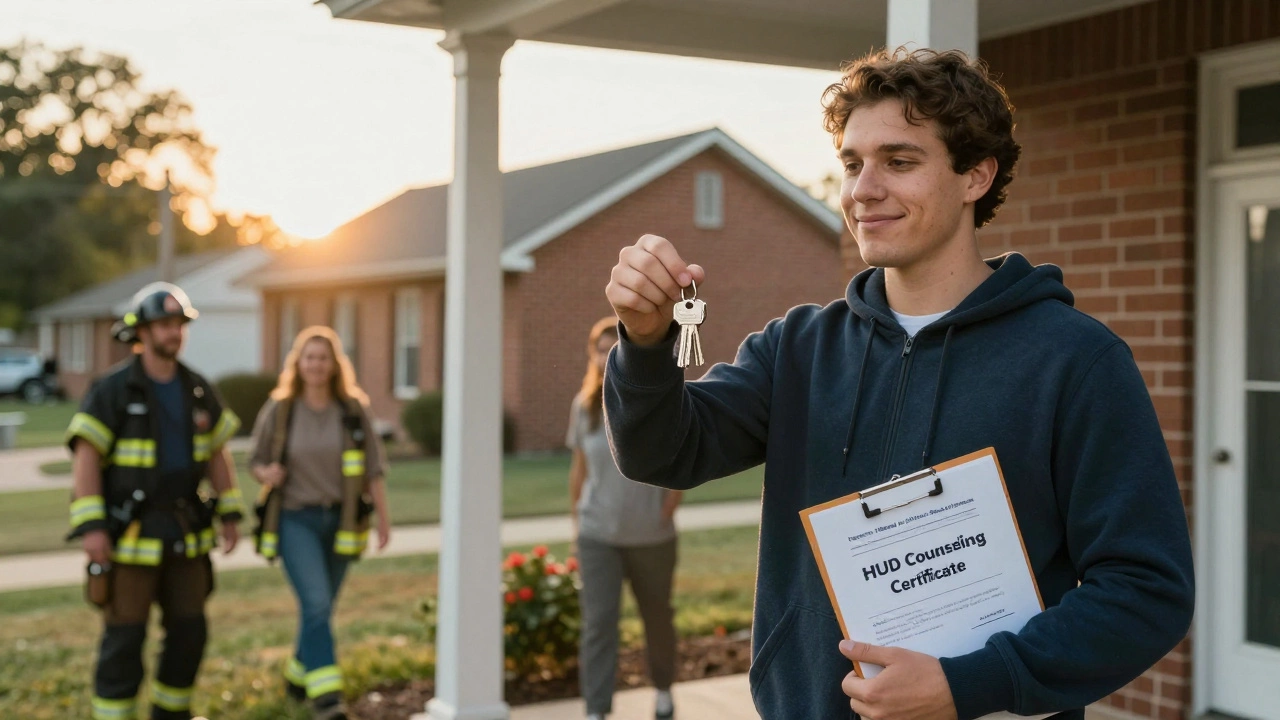
- Good Neighbor Next Door (GNND): If you are a teacher, law enforcement officer, firefighter, or emergency medical technician, you might qualify for a 50% discount on the HUD-listed price of a home in designated revitalization areas. This isn't a grant, but the savings can easily exceed $10,000.
- Local Non-Profit Grants: Organizations like Habitat for Humanity of Central Arkansas is a local affiliate of the global nonprofit organization that builds affordable homes for families in need. They don't just build houses; they offer financial counseling and sometimes direct assistance for closing costs for qualifying families.
Who Really Qualifies?
Qualification is where most people hit a wall. These programs are not open to everyone. You generally need to meet three criteria:
- First-Time Buyer Status: Technically, this means you haven’t owned a primary residence in the last three years. If you were previously homeless or lived in a shelter, you almost certainly qualify as a first-time buyer.
- Income Limits: Most state and federal programs have income caps based on the Area Median Income (AMI). For example, in Little Rock, the limit might be higher than in rural parts of the state. You need to check the specific limits for your county.
- Credit Score: While FHA loans accept scores as low as 580 (with 3.5% down) or even 500 (with 10% down), some down payment assistance programs require a minimum score of 640 or 660. If your credit has suffered due to housing instability, you may need to do some repair work before applying.
Navigating the Path from Homelessness to Homeownership
If you are currently in a shelter or experiencing homelessness, the path is steeper but not impossible. Lenders look at "source of funds" and "stability." They want to know you can keep a job and maintain a home.
Here is a practical strategy:
Start with housing counseling. The U.S. Department of Housing and Urban Development (HUD) requires borrowers using FHA loans to complete a homebuyer education course. Many local nonprofits offer this for free. This certificate shows lenders you are serious and educated about the process.
Next, document your stability. If you have been working consistently, gather your pay stubs and tax returns. If you received public assistance, explain how your current income is sustainable. Some specialized programs, like those offered by Arkansas Community Action Network, which is a network of local agencies dedicated to fighting poverty and providing essential services to low-income residents, can help bridge the gap between shelter life and rental stability, which is often a prerequisite for buying.
| Program Type | Is it Free Money? | Max Assistance Amount | Best For |
|---|---|---|---|
| AHFC Down Payment Loan | No (0% Interest Loan) | Up to 3.5% of Price | Standard first-time buyers with steady jobs |
| Good Neighbor Next Door | No (Price Discount) | 50% off HUD Price | Teachers, police, firefighters, EMTs |
| Local Non-Profit Grants | Yes (Sometimes) | Varies ($1k-$10k) | Veterans, disabled individuals, extreme hardship cases |
| FHA Loan Insurance | No (Insurance Premium) | N/A | Buyers with lower credit scores (580+) |
Pitfalls to Avoid
Be wary of scams. If someone asks you to pay an upfront fee to "secure" your $10,000 grant, run. Legitimate government and non-profit programs never ask for money before giving you money. Also, don't ignore the ongoing costs. Owning a home means property taxes, insurance, and maintenance. If your budget only stretches to cover the mortgage, you might end up in trouble again. Make sure your total monthly housing cost (PITI: Principal, Interest, Taxes, Insurance) stays below 28-30% of your gross monthly income.
Steps to Take Today
1. Check Your Credit: Get a free report from AnnualCreditReport.com. Dispute any errors immediately. 2. Find a HUD-Certified Counselor: Search for local counselors in Arkansas. They can tell you exactly which programs you qualify for based on your zip code and income. 3. Contact AHFC: Visit their website or office to get the latest income limits and application requirements for the current year. 4. Save for Closing Costs: Even with down payment assistance, you’ll need cash for title fees, appraisals, and inspections. Aim to save at least $2,000-$3,000 for these unexpected expenses.
The $10,000 grant is less of a magic ticket and more of a puzzle piece. When combined with smart planning, the right loan product, and honest assessment of your finances, it can indeed be the key to unlocking your front door.
Is the $10,000 Arkansas home buyer grant actually free money?
Mostly, no. The majority of programs advertised as grants are actually zero-interest loans or deferred-payment second mortgages. You do not make monthly payments on them, but you must repay the full amount when you sell the home, refinance, or pay off your primary mortgage. True grants that do not require repayment are rare and usually limited to specific groups like veterans or individuals with disabilities through local non-profits.
Can I get a home buyer grant if I am currently homeless?
Yes, but the path is different. Being homeless often qualifies you as a first-time home buyer. However, lenders will scrutinize your ability to maintain stable employment and housing. You may need to work with specialized non-profits like Habitat for Humanity or local community action agencies that offer transitional housing support and financial counseling to help you qualify for standard FHA loans and down payment assistance.
What credit score do I need for Arkansas down payment assistance?
While FHA loans allow for credit scores as low as 580 (with 3.5% down) or 500 (with 10% down), many down payment assistance programs administered by the Arkansas Housing Finance Corporation (AHFC) require a minimum credit score of 640 or 660. It is crucial to check the specific requirements of the assistance program you are applying for, as they vary.
How much income can I make and still qualify for assistance?
Income limits are based on the Area Median Income (AMI) for your specific county in Arkansas. For example, limits in Pulaski County (Little Rock) are higher than in rural counties. Generally, you must earn less than 80% to 100% of the AMI to qualify for most state and federal assistance programs. You can find the current limits on the AHFC website or through a HUD-certified housing counselor.
Are there grants specifically for teachers or police officers in Arkansas?
Yes. The Good Neighbor Next Door (GNND) program offers a 50% discount on the list price of homes in designated revitalization areas for eligible teachers, law enforcement officers, firefighters, and emergency medical technicians. While not a direct cash grant, this discount can save you tens of thousands of dollars, effectively acting as a massive subsidy for your purchase.