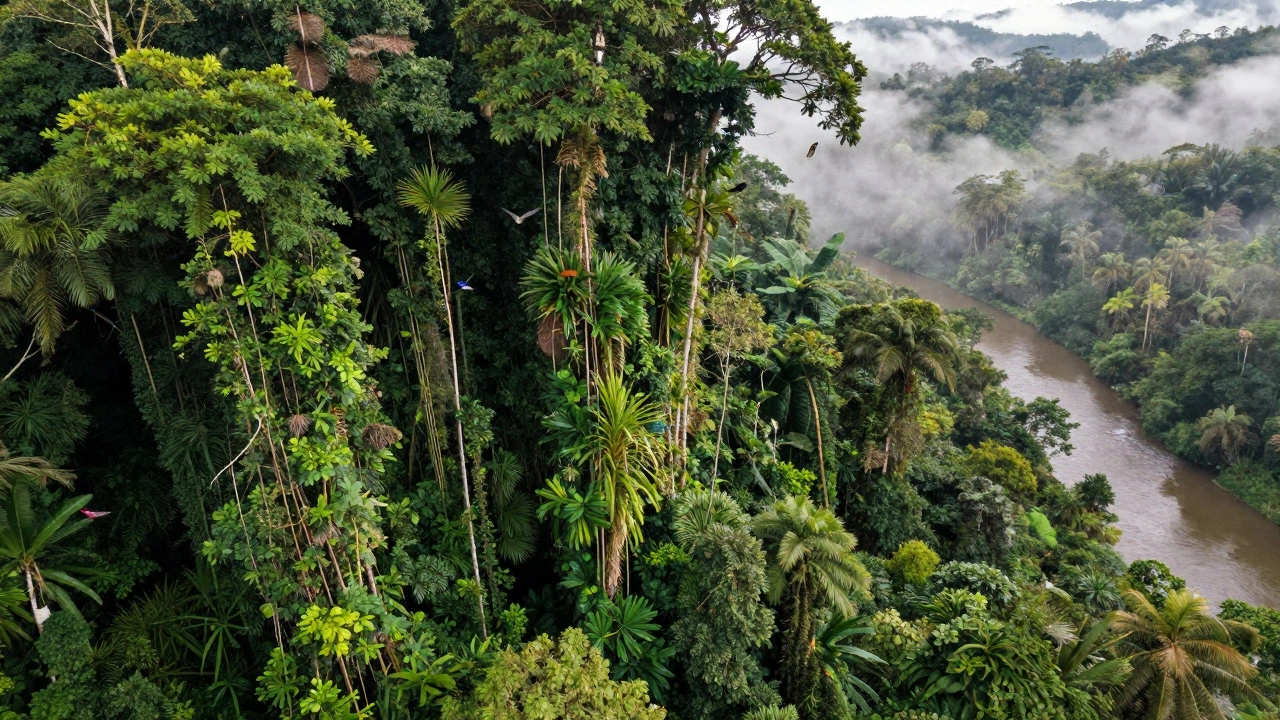
Walk through a rainforest, stand on a sandy beach, or even sit in your backyard-every step you take is inside an ecosystem. These aren’t just pretty landscapes. They’re living, breathing networks of plants, animals, microbes, water, soil, and air that all depend on each other to survive. There are seven main types of ecosystems on Earth, and each plays a unique role in keeping the planet stable. If one collapses, the ripple effects touch everything else.
Forest Ecosystems
Forests cover about 31% of Earth’s land surface, and they’re the most complex ecosystems we have. Tropical rainforests, like the Amazon or Daintree in Australia, are packed with life. A single hectare can hold more than 1,000 tree species and tens of thousands of insect types. Temperate forests, like those in Tasmania or the Pacific Northwest, have fewer species but still support deer, bears, owls, and fungi that break down fallen logs into nutrients.
Forests don’t just house wildlife-they clean our air and store carbon. A mature tree can absorb 22 kilograms of CO₂ per year. When forests burn or are cut down, that carbon gets released back into the atmosphere, speeding up climate change. Logging, fires, and invasive species are pushing many forest ecosystems toward collapse.
Grassland Ecosystems
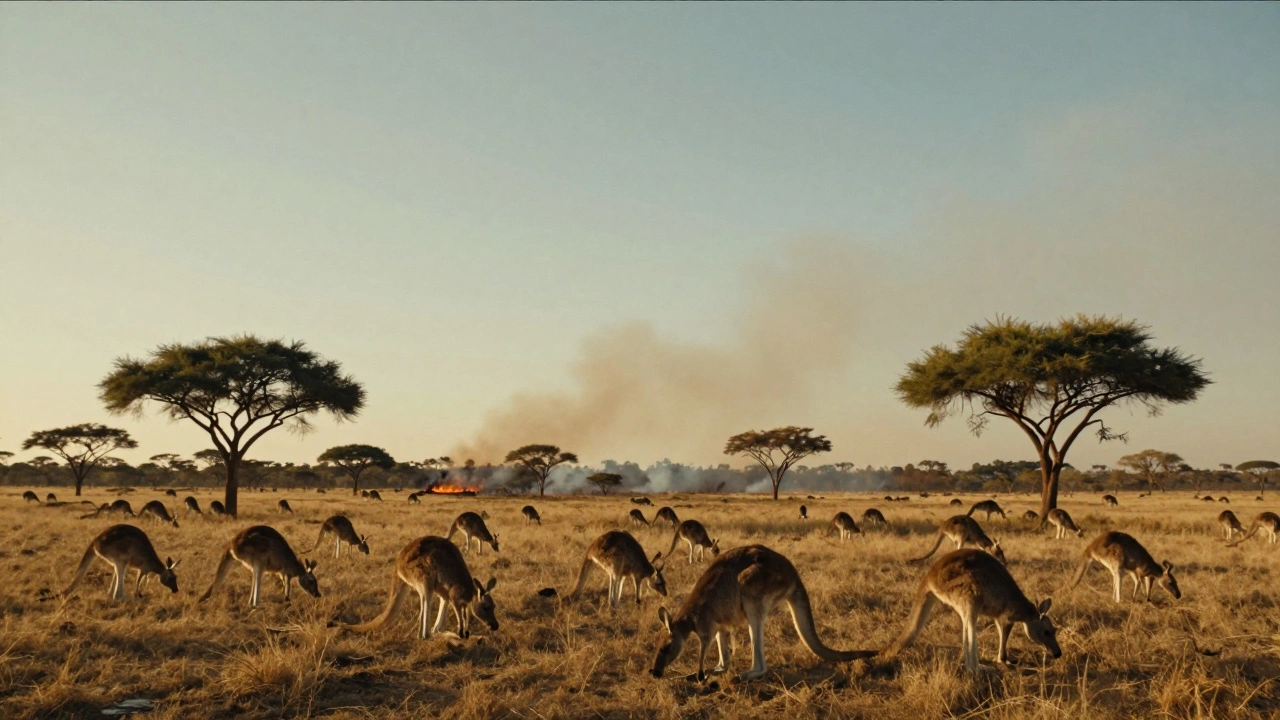
Grasslands stretch across continents-from the African savannas to the Australian outback and the North American prairies. These open, treeless areas might look empty, but they’re teeming with life. Bison, zebras, antelope, and burrowing animals like prairie dogs live here. Grasses have deep roots that hold soil in place and store carbon underground.
Unlike forests, grasslands thrive on disturbance. Natural fires and grazing keep trees from taking over. But today, most grasslands are turned into farmland or overgrazed by livestock. In Australia, native grasslands have lost over 90% of their original cover. Without them, soil erodes, water runs off instead of soaking in, and species like the bilby or greater bilby disappear.
Desert Ecosystems
Deserts aren’t lifeless wastelands. They’re harsh, but finely tuned. The Sahara, the Mojave, and Australia’s Simpson Desert all get less than 250 millimeters of rain a year. Yet, plants like cacti, succulents, and spinifex grass survive by storing water. Animals like kangaroo rats, fennec foxes, and thorny devils have evolved to live without drinking water-they get moisture from their food.
Deserts are fragile. A single off-road vehicle track can take decades to heal. Mining and tourism are putting pressure on these areas. In Australia, mining in the Pilbara region threatens rare desert springs that support unique fish and invertebrates found nowhere else on Earth.
Wetland Ecosystems
Wetlands include swamps, marshes, bogs, and mangroves. They’re often called the kidneys of the planet because they filter pollutants, control floods, and recharge groundwater. The Everglades in Florida, the Okavango Delta in Botswana, and Australia’s Kakadu National Park are all vital wetlands.
Mangrove forests along coastlines are especially important. Their tangled roots protect shorelines from storms and serve as nurseries for fish, crabs, and shrimp. In Australia, over 30% of mangroves have been lost to coastal development. When wetlands disappear, water quality drops, floods worsen, and fisheries collapse.
Freshwater Ecosystems
Lakes, rivers, ponds, and streams make up freshwater ecosystems. They cover less than 1% of Earth’s surface but support 10% of all known animal species. The Murray-Darling Basin in Australia is one of the largest freshwater systems on the planet. It’s home to native fish like Murray cod and golden perch, waterbirds, and aquatic plants.
But freshwater ecosystems are under siege. Dams, water extraction for agriculture, pollution from farms, and invasive species like carp have pushed many rivers to the brink. In 2023, a major fish kill in the Darling River shocked the nation-over a million fish died in just weeks due to low flows and high temperatures. These systems don’t recover easily.
Marine Ecosystems
Marine ecosystems cover 71% of the planet. They include coral reefs, open oceans, deep-sea vents, and coastal zones. Coral reefs, like the Great Barrier Reef, are the most biodiverse marine ecosystems. They’re built by tiny coral polyps and support 25% of all ocean life-even though they take up less than 1% of the seafloor.
But warming waters are killing coral. Bleaching events, where corals expel their algae and turn white, have become annual occurrences. In 2024, 91% of the Great Barrier Reef experienced bleaching. Overfishing, plastic pollution, and acidification from CO₂ absorption are making things worse. If we lose coral reefs, we lose fisheries, coastal protection, and tourism worth billions.
Urban Ecosystems
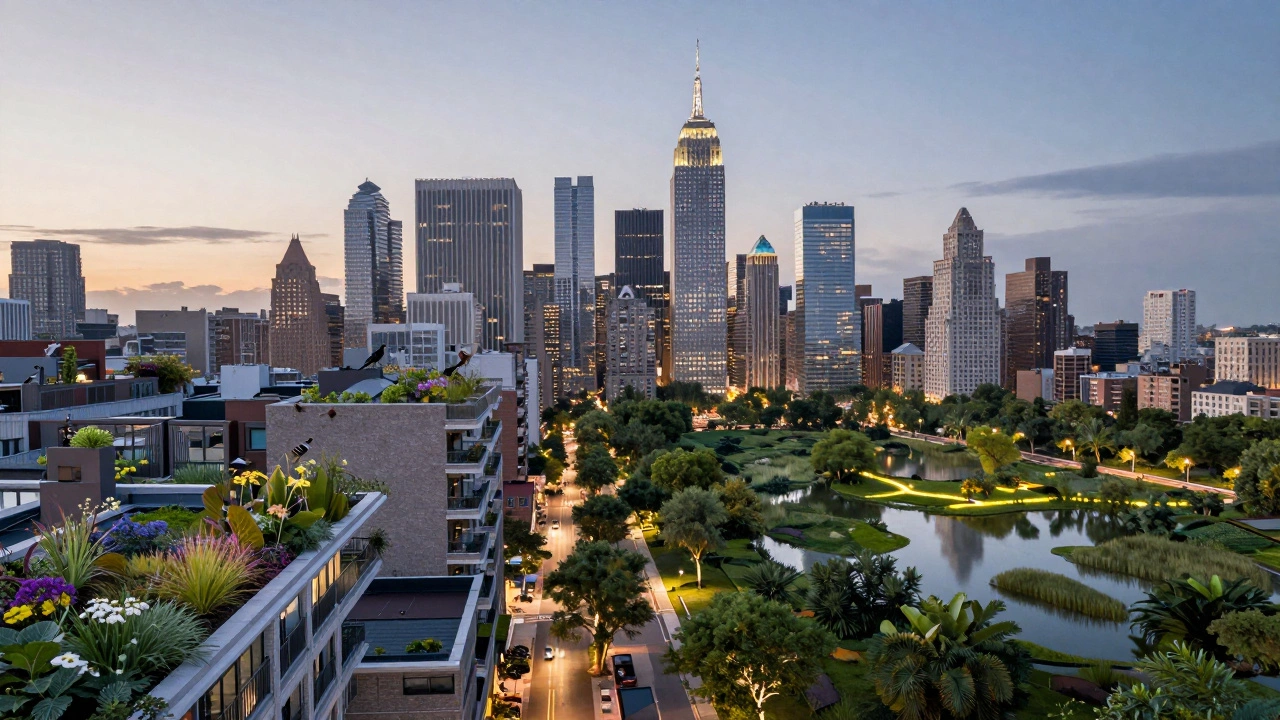
People often forget that cities are ecosystems too. Sydney, Mumbai, New York, and São Paulo are full of life-birds nesting on balconies, rats in sewers, trees lining streets, and insects pollinating garden flowers. Urban ecosystems are messy, but they’re real. They provide food, clean air, and mental health benefits.
But they’re also stressed. Concrete replaces soil. Light and noise pollute natural rhythms. Pesticides kill bees. Yet, cities are starting to fix this. Rooftop gardens, urban wetlands, and wildlife corridors are being built. In Melbourne, over 200,000 trees were planted in 10 years to cool the city and bring back birds. Urban ecosystems aren’t just surviving-they’re becoming part of the solution.
Why This Matters
These seven ecosystems aren’t separate. They’re connected. Rain from forests feeds rivers. Rivers flow into oceans. Ocean currents affect rainfall over grasslands. When one system breaks, others feel it.
Protecting ecosystems isn’t about saving trees or frogs for their own sake. It’s about saving ourselves. Clean water, stable climate, food, medicine, and even the air we breathe come from these systems. We don’t own them. We depend on them.
There’s no single fix. But every time someone plants a native tree, reduces plastic use, supports land conservation, or speaks up against pollution, they’re helping. The planet doesn’t need heroes. It needs people who show up, every day, in small ways.
What are the seven main types of ecosystems?
The seven main types of ecosystems are forest, grassland, desert, wetland, freshwater, marine, and urban. Each has unique plants, animals, and environmental conditions that define how life interacts there. Forests are dense with trees and high biodiversity; grasslands are open and fire-adapted; deserts are dry with specialized wildlife; wetlands filter water and hold floodwaters; freshwater systems include rivers and lakes; marine ecosystems cover oceans and coral reefs; and urban ecosystems are human-built environments that still support life.
Which ecosystem is the most important?
No single ecosystem is more important than the others-they’re all interconnected. But if one collapses, the effects spread. For example, losing coral reefs affects fisheries and coastal protection. Losing forests increases carbon emissions and reduces rainfall. Wetlands filter water for cities. The real answer is: all seven matter equally. The planet works as a system, not a checklist.
Are urban areas really ecosystems?
Yes. Urban areas have living organisms, energy flows, and nutrient cycles just like natural ones. Pigeons, rats, street trees, garden insects, and even microbes in sewer systems are all part of the urban ecosystem. They interact with each other and with humans. The difference is that urban ecosystems are shaped more by human choices-like how much green space we keep or what chemicals we use. They’re not natural, but they’re still ecosystems.
What’s the biggest threat to ecosystems today?
Climate change is the biggest threat because it affects every ecosystem at once. Rising temperatures, shifting rainfall, and extreme weather disrupt animal migrations, plant flowering times, and ocean chemistry. But habitat destruction-clearing land for farming, mining, or cities-is the most direct cause of species loss. Pollution, invasive species, and overuse of resources like water and fish make it worse. All these threats are human-caused.
Can damaged ecosystems be restored?
Yes, but it takes time, money, and long-term commitment. Wetlands in Australia have been successfully restored by removing invasive weeds and reintroducing native plants. Forests in parts of Europe and North America have regrown after logging stopped. Coral reefs are being helped by coral farming and shade structures to reduce heat stress. But restoration doesn’t mean going back to how it was-it means helping nature rebuild in a changed world. The goal is resilience, not perfection.