Environmental Problem Classifier
Classification Result
When we talk about environmental problems, it’s easy to think of smoggy skies, plastic in the ocean, or melting ice caps. But behind all these visible signs are deeper patterns. Scientists and environmental agencies group these issues into three clear, interconnected categories: pollution, resource depletion, and biodiversity loss. Understanding these groups helps us see how one problem feeds into another - and where to focus action.
Pollution: The Invisible Toxin
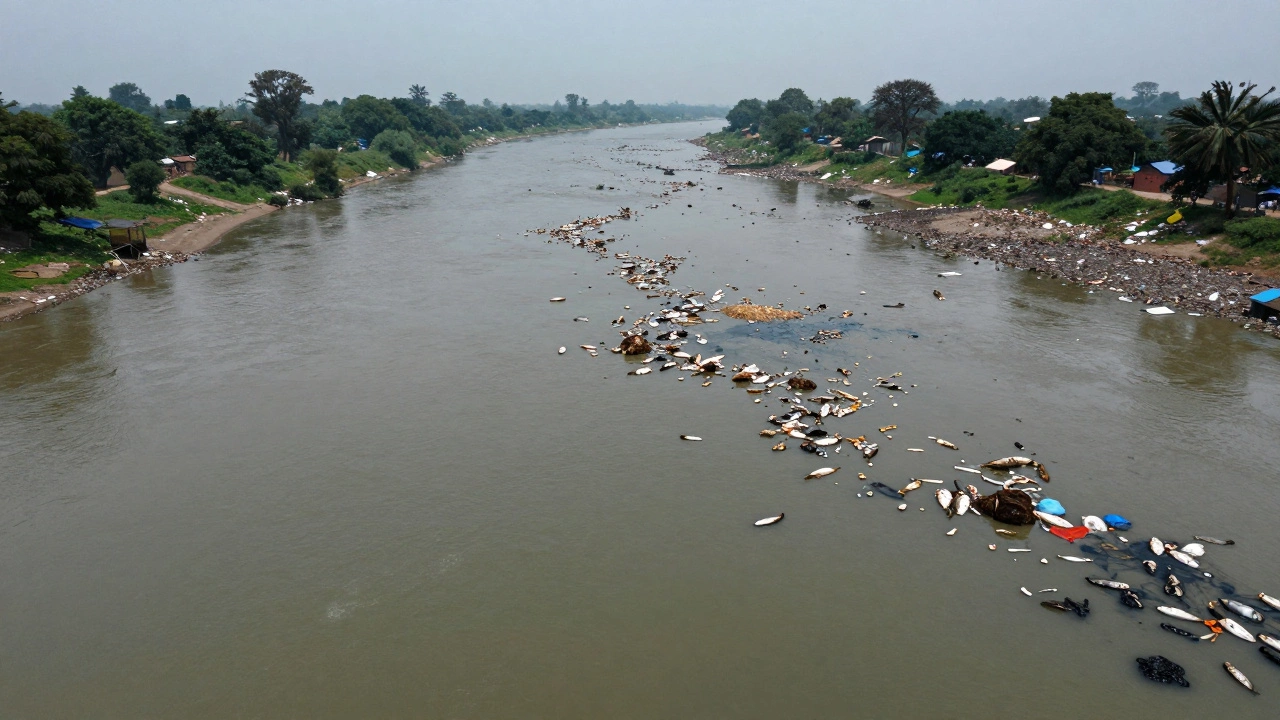
Pollution isn’t just about litter on the street. It’s the quiet, constant poisoning of air, water, and soil by human-made substances. In Sydney, for example, vehicle emissions and coal-fired power plants still contribute to fine particulate matter in the air, linked to over 4,000 premature deaths each year in Australia alone, according to the Health Effects Institute. But pollution goes beyond air.
Plastic waste flows into oceans at a rate of nearly 11 million tons annually, according to UNEP. Microplastics are now found in fish, drinking water, and even human blood. Chemical runoff from farms - pesticides, fertilizers, herbicides - contaminates rivers and lakes, creating dead zones where aquatic life can’t survive. In the Great Barrier Reef, agricultural runoff has been identified as a major factor in coral bleaching events.
What makes pollution so dangerous is how it spreads. A chemical dumped in a river in Brazil can end up in a fish eaten in Japan. A puff of smoke from a factory in China can drift across the Pacific and settle in the snow of Antarctica. Pollution doesn’t respect borders. And because it’s often invisible or slow-acting, we don’t always notice until it’s too late.
Resource Depletion: Using More Than the Planet Can Give
Think of Earth’s resources like a bank account. We’re withdrawing far faster than it can be replenished. The three biggest withdrawals? Freshwater, forests, and fossil fuels.
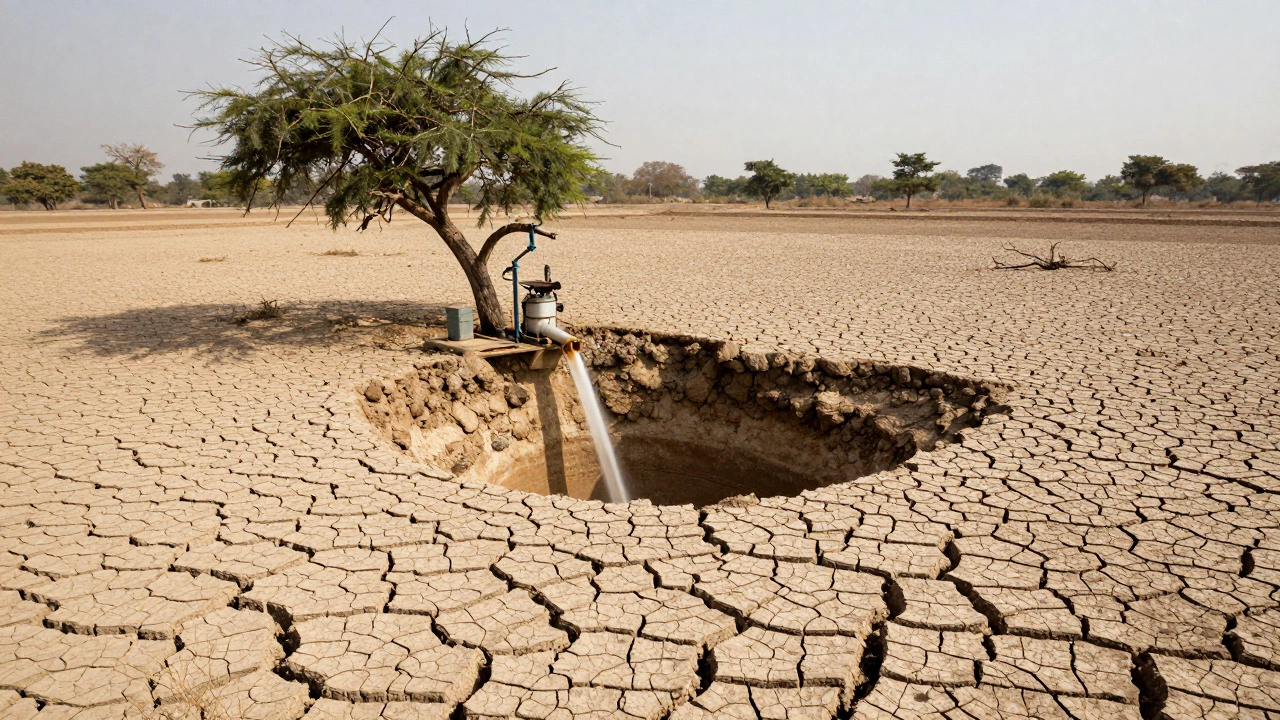
Over two billion people lack safe drinking water. In places like Cape Town and parts of California, water shortages have led to strict rationing. Groundwater aquifers - the hidden reserves that feed rivers and wells - are being drained faster than rain can refill them. In India, for instance, groundwater levels have dropped by over 60% in the last 40 years, according to the World Bank.
Forests are being cleared at a rate of 10 million hectares per year, mostly for agriculture and logging. The Amazon, often called the lungs of the planet, lost over 13,000 square kilometers of forest in 2023 alone. That’s an area bigger than Belgium. Trees store carbon, regulate rainfall, and house 80% of terrestrial species. When they disappear, we lose all of that.
Fossil fuels are the most obvious. We burn over 100 million barrels of oil every day. That’s not just for cars - it’s for plastics, fertilizers, heating homes, and powering factories. Even renewable energy systems rely on mined minerals like lithium and cobalt. Mining these materials destroys land, pollutes water, and often exploits vulnerable communities. We’re not running out of oil tomorrow, but we’re running out of time to avoid irreversible climate impacts.
Biodiversity Loss: The Silent Collapse
When we hear "biodiversity," we think of pandas or coral reefs. But biodiversity is everything: the fungi in your backyard soil, the bees pollinating your apple tree, the microbes in your gut. It’s the web of life that keeps ecosystems functioning.
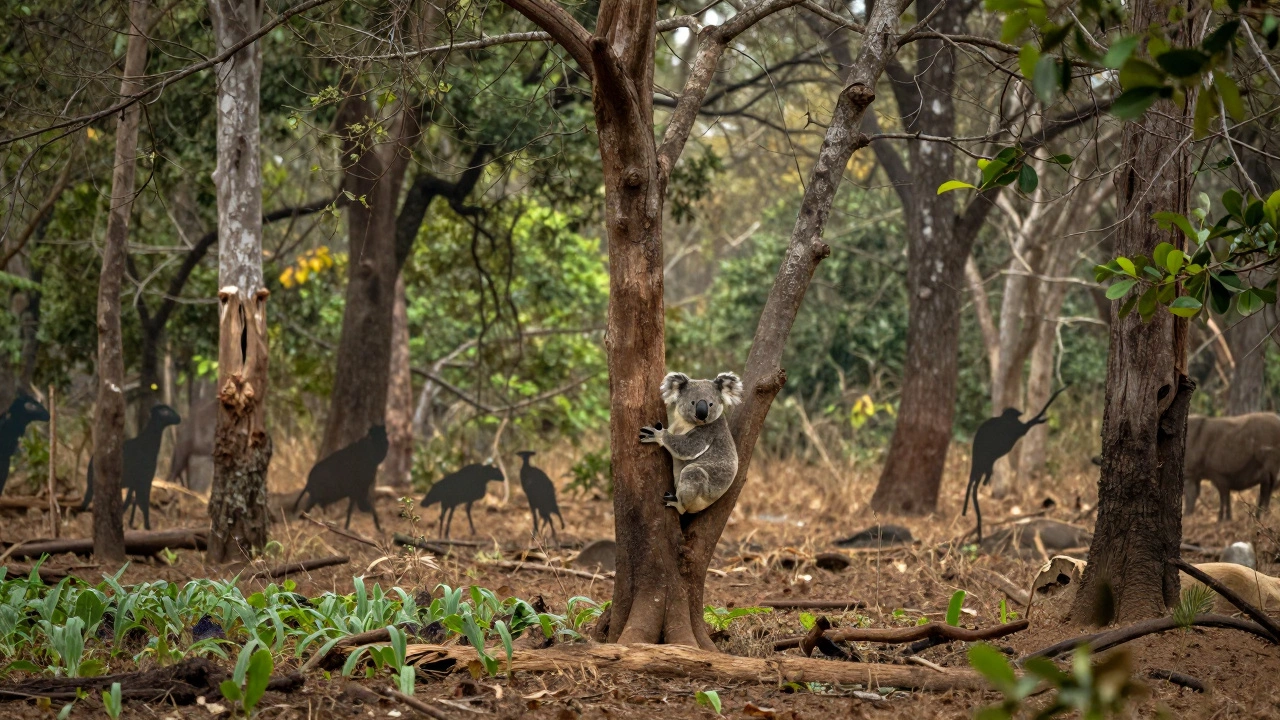
The World Wildlife Fund’s 2024 Living Planet Report found that global wildlife populations have declined by 73% since 1970. That’s not a distant statistic. In Australia, over 1,700 native species are listed as threatened. The koala, once common, is now classified as endangered in Queensland and New South Wales. Why? Habitat loss from urban sprawl, bushfires worsened by climate change, and disease.
Biodiversity loss isn’t just about losing animals. It’s about systems breaking down. When pollinators disappear, crops fail. When wetlands vanish, floods get worse. When forests thin, the land dries out and becomes more prone to fire. We depend on these systems for food, clean water, medicine, and even stable weather patterns.
And here’s the hard truth: biodiversity loss isn’t happening in isolation. It’s driven by pollution and resource depletion. Pesticides kill insects. Overfishing collapses marine food chains. Deforestation fragments habitats. These three problems are not separate. They’re tangled together.
How These Groups Connect
Think of pollution, resource depletion, and biodiversity loss as three legs of a stool. Take away one, and the whole thing wobbles.
For example, burning fossil fuels (resource depletion) releases CO2 into the air (pollution), which warms the planet. That warming causes coral reefs to bleach (biodiversity loss). When reefs die, coastal communities lose natural barriers against storms - forcing them to build seawalls, which use more concrete and steel, which require more mining and energy - more pollution, more depletion.
Or take agriculture. Clearing land for crops (resource depletion) destroys habitats (biodiversity loss). Then, to grow more food on less land, farmers use chemical fertilizers (pollution). Those fertilizers wash into rivers, kill fish, and create dead zones. It’s a loop.
There’s no single fix. Solving one issue without addressing the others just shifts the problem around. Clean energy alone won’t save forests if we keep consuming wood at unsustainable rates. Protecting wildlife won’t work if the water they drink is poisoned.
What Can Be Done?
Change doesn’t need to be massive to be meaningful. Here are three practical directions:
- Reduce consumption. Buy less. Choose durable goods over disposable ones. Food waste alone accounts for 8% of global emissions - more than all flights combined.
- Support regenerative systems. Look for products from farms that rebuild soil, use no chemicals, and protect native species. These systems work with nature, not against it.
- Advocate for policy. Local governments can ban single-use plastics, protect wetlands, and invest in public transit. Pressure elected officials to prioritize these.
The good news? We’ve solved big environmental problems before. The ozone layer is healing because of global action on CFCs. Acid rain dropped by over 90% in Europe and North America after regulations were put in place. We know how to fix this - we just need to apply the same urgency.
Are pollution, resource depletion, and biodiversity loss the only environmental problems?
No, these are the three main groups, but they cover many specific issues. For example, noise pollution, light pollution, and radioactive contamination fall under pollution. Overpopulation and urban sprawl contribute to resource depletion. Species extinction and invasive species are part of biodiversity loss. These three categories act as umbrella terms that help organize hundreds of specific problems into manageable areas of action.
Which of the three groups is the most urgent?
There’s no single "most urgent" - they’re all urgent and interconnected. But if you had to pick one starting point, biodiversity loss is often the least visible and hardest to reverse. Once a species goes extinct or an ecosystem collapses, it’s gone forever. Unlike pollution, which can be cleaned up over time, or resources, which can be replaced with alternatives, biodiversity is irreplaceable. Protecting it now prevents cascading failures later.
Can technology solve these problems?
Technology helps - solar panels, electric vehicles, water filters, and AI-driven conservation tools all make a difference. But technology alone won’t fix the root causes. We still need to change how we live, consume, and value nature. A solar panel doesn’t reduce waste if you keep buying new phones every year. A clean car doesn’t help if cities keep expanding into forests. Solutions must include behavior change, policy, and systemic redesign, not just gadgets.
Do developing countries contribute more to these problems?
It’s not about who contributes more - it’s about who has the most impact and who has the least capacity to respond. High-income countries use far more resources per person. The average American uses 10 times more energy than the average person in India. But developing nations often bear the worst consequences - like rising sea levels, extreme heat, and contaminated water - even though they contributed less to the problem. The solution requires global cooperation, not blame.
Is there hope? Can we reverse these trends?
Yes, but not without drastic change. We’ve seen recovery in forests in Costa Rica, fish stocks in parts of the Pacific, and air quality in London and Los Angeles after strict policies were enforced. The science is clear: if we cut global emissions by 45% by 2030 and protect 30% of land and ocean by 2030, we can stabilize the climate and slow biodiversity loss. It’s not about perfection - it’s about progress. Every action counts, and every voice matters.