Kindness Impact Calculator
Calculate how small acts of kindness compound over time. Based on the article "What Is the Simplest Form of Charity?" - the most powerful form of charity is often a quiet act that costs nothing.
Your Kindness Impact
acts of kindness in
Small acts create real change. As the article states: "Charity isn't measured in dollars. It's measured in moments."
Examples of simple acts
Think charity means big donations, galas, or fundraising pages? Think again. The simplest form of charity doesn’t need money, planning, or even a website. It’s something you can do right now-while waiting for your coffee, walking the dog, or scrolling through your phone. It’s a quiet act, often unnoticed, but it changes lives.
Charity Doesn’t Require Money
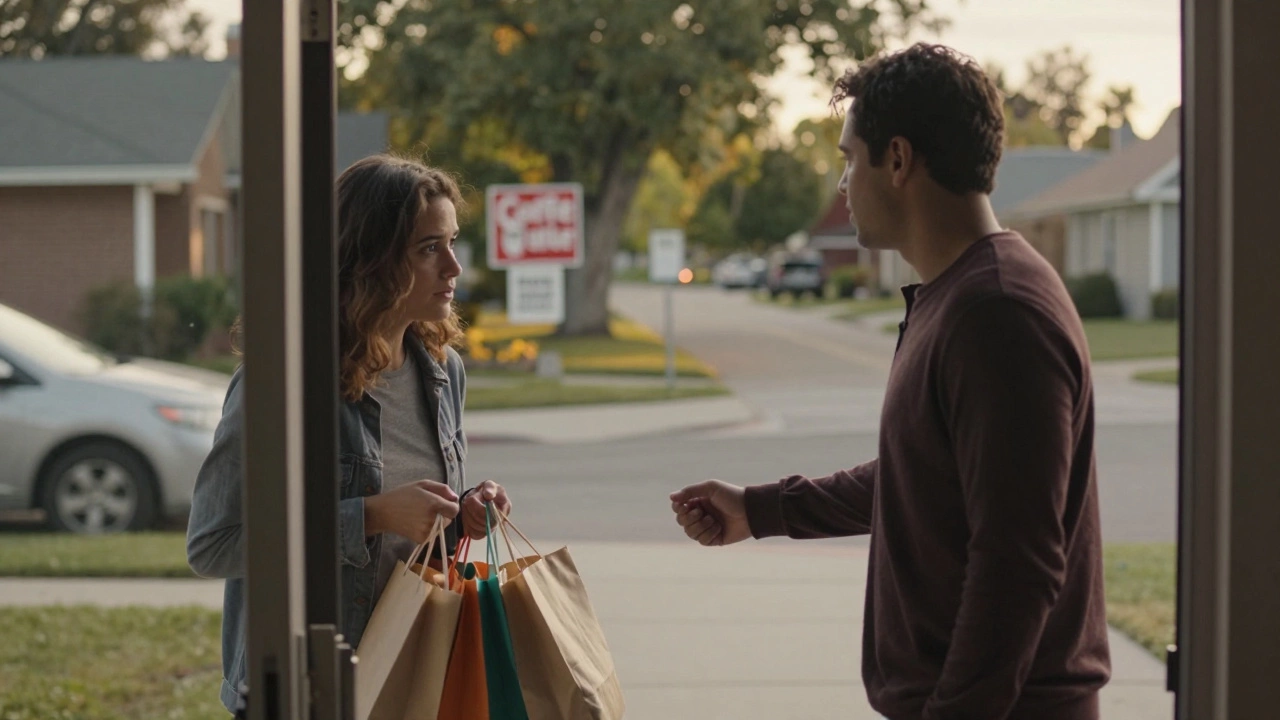
Most people assume charity means giving cash. But money isn’t the only currency of kindness. The most powerful form of charity is time, attention, and presence. Holding a door open for someone struggling with groceries. Listening without interrupting when a friend is upset. Sending a text that says, ‘I’m thinking of you’-these aren’t small gestures. They’re lifelines.
In Sydney, a nurse working night shifts told me about a patient who hadn’t had a visitor in three weeks. One day, a volunteer from the hospital’s reading program came in just to read the newspaper aloud. No donation. No fundraiser. Just 20 minutes of human connection. The patient cried. Not because of the news, but because someone remembered he was still there.
The Power of Seeing Someone
Loneliness kills more people than obesity. And it’s not just the elderly. Young people, new parents, refugees, people recovering from illness-they all fade into the background. The simplest charity is noticing them. Saying ‘Hi’ to the person who always sits alone at the bus stop. Asking the barista how their shift went. Acknowledging someone’s pain without trying to fix it.
Studies from the University of Melbourne show that even brief, authentic interactions reduce stress hormones in people feeling isolated. You don’t need to be a therapist. You just need to be present. A smile. A nod. A ‘How are you really?’ That’s charity. And it costs nothing.
Small Acts Add Up
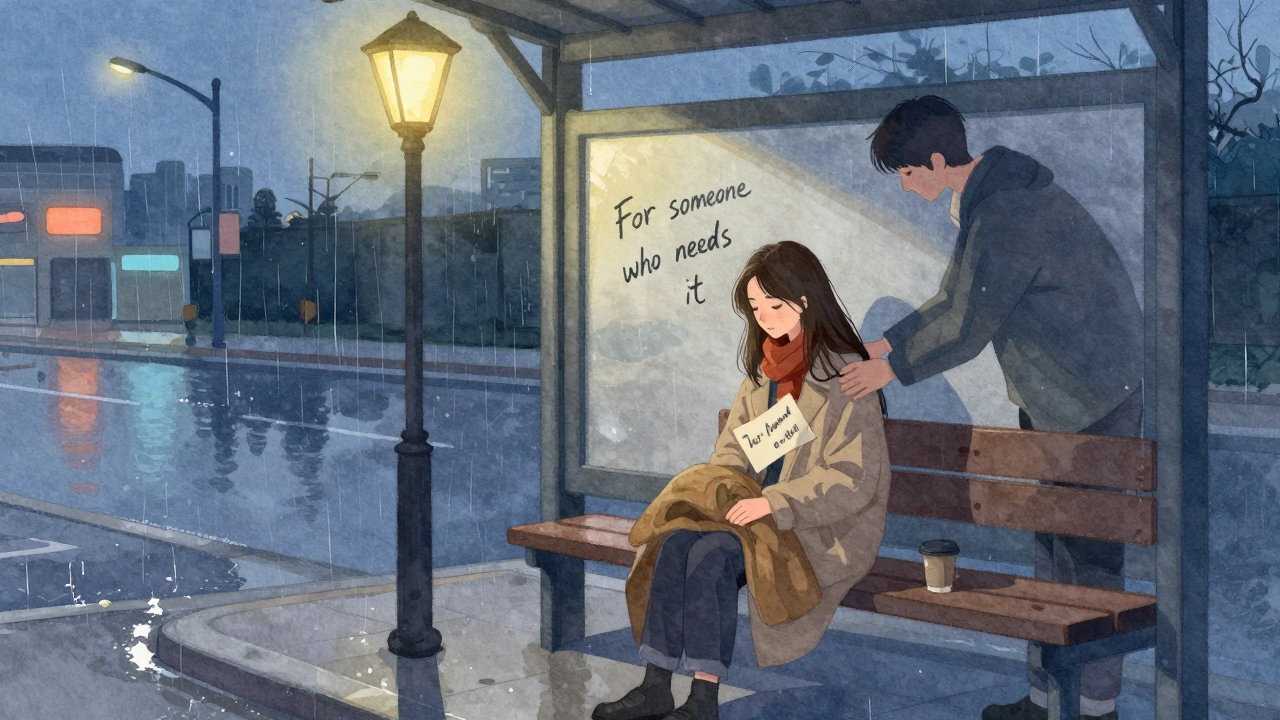
Charity isn’t measured in dollars. It’s measured in moments. One person buys a coffee for the person behind them in line. Another leaves a warm coat on a bench with a note: ‘For someone who needs it.’ A teenager helps an older neighbor carry their recycling bins every Tuesday. These aren’t headline-worthy. But they’re the backbone of real community.
In a 2024 survey of 1,200 Australians, 73% said they’d felt supported by a stranger’s small act in the past year. Not a donation. Not a fundraiser. A simple gesture. One woman said a stranger held her baby while she wiped tears after a bad diagnosis at the hospital. She didn’t know the person’s name. But she still remembers it five years later.
What You Can Do Today
You don’t need to wait for a special day. You don’t need to sign up for anything. Here’s how to start right now:
- Text someone you haven’t spoken to in months-just to say hi.
- Leave a kind note on a public noticeboard: ‘You’re not alone.’
- Let someone go ahead of you in line, even if you’re in a rush.
- Compliment a stranger’s outfit, their dog, their energy. Be specific.
- Ask a service worker how their day is going-and really listen.
These aren’t ‘feel-good’ ideas. They’re proven acts of social support. They rebuild trust. They remind people they matter. And they’re contagious.
Why This Matters More Than Ever
Life is faster now. We scroll past people. We hurry through interactions. We think we’re being efficient. But efficiency doesn’t heal loneliness. Presence does.
Charity organizations know this. That’s why many now train volunteers not just to hand out food, but to sit and talk. Because hunger isn’t just about meals. It’s about dignity. And dignity comes from being seen.
The simplest form of charity is the one that doesn’t ask for anything in return. Not gratitude. Not recognition. Not a photo for Instagram. Just the quiet knowing that you made someone’s day a little lighter.

It’s Not About Biggest. It’s About Most Frequent.
People talk about ‘the most impactful’ charity. But impact isn’t always loud. It’s quiet. It’s daily. It’s the person who always brings extra sandwiches to the park for the homeless. The neighbor who checks in on the elderly couple next door every Sunday. The teacher who stays late to help a student who’s falling behind-not because it’s part of their job, but because they care.
These aren’t saints. They’re regular people. Just like you. And they’re doing more good than any million-dollar campaign.
Charity isn’t about how much you give. It’s about how often you show up.
What Happens When You Start
When you begin practicing small acts of kindness regularly, something shifts. You start noticing more people. You feel less alone yourself. You realize kindness isn’t a resource that runs out-it grows when you share it.
One man in Newtown started leaving bottled water and snacks near the train station for people experiencing homelessness. He didn’t post about it. He didn’t expect thanks. Within six months, others started doing the same. Now there’s a little shelf with supplies, maintained by strangers. No organization. No funding. Just people caring.
That’s the ripple effect. And it starts with one simple act.