Volunteer Impact Calculator
How Volunteering Benefits You
Select your demographic group and monthly hours to see your personalized benefits based on research from the article.
When you sign up to volunteer, you’re told you’re helping others. And you are. But here’s the truth most organizations won’t spell out: volunteering doesn’t just change lives-it changes yours, too. In fact, the biggest winners aren’t always the people you’re serving. They’re the ones showing up with a clipboard, a smile, and a willingness to get their hands dirty.
The myth of one-sided giving
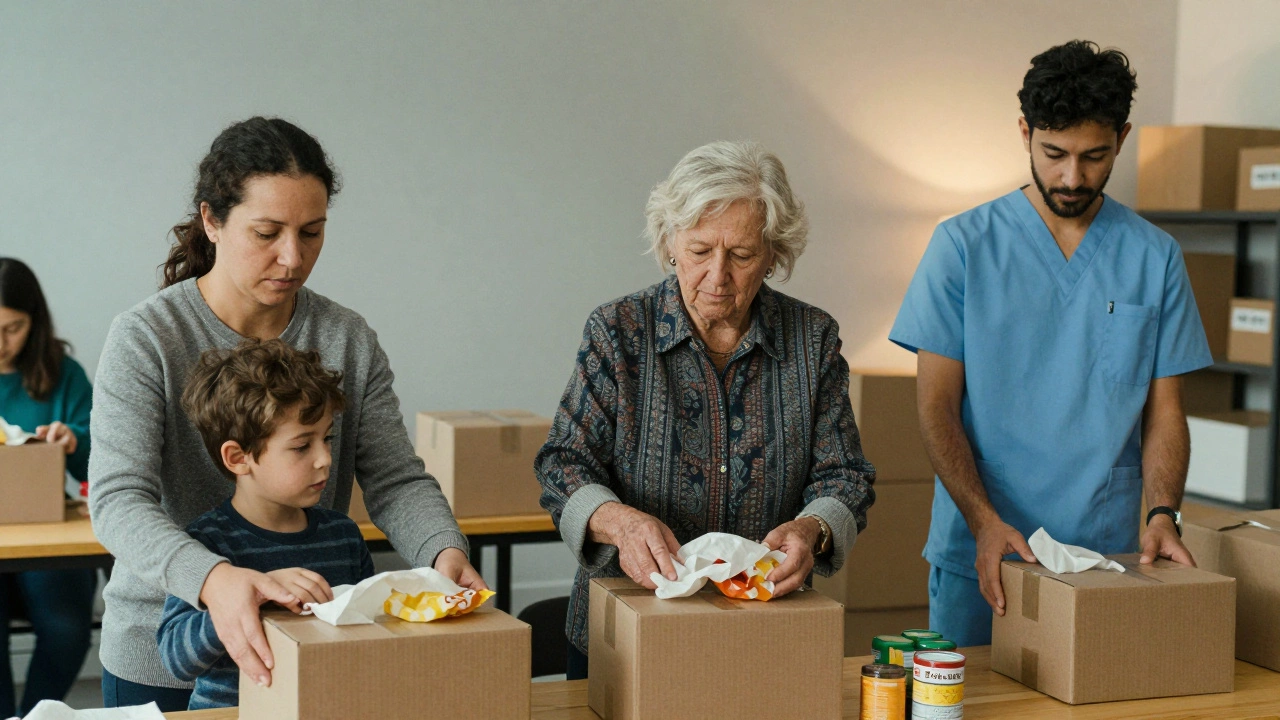
Most people think volunteering is a one-way street: you give time, someone else gets help. It sounds noble. But real life doesn’t work like that. Look at food banks. Volunteers sort cans, pack boxes, hand out meals. On the surface, they’re serving hungry families. But what happens to the volunteer who shows up every Tuesday for three months? They stop seeing hunger as a statistic. They start recognizing the same faces. They learn names. They notice when someone hasn’t shown up in weeks. That’s not charity. That’s connection. And that changes how you see the world.Studies from the Corporation for National and Community Service show that regular volunteers report lower stress levels, higher life satisfaction, and even improved physical health. Why? Because helping others activates the same brain regions as eating chocolate or winning money. It’s not just feel-good fluff-it’s neurochemistry. You’re not just giving. You’re rewiring your own happiness.
Who gets the most out of volunteering?
It’s not just one group. Different people walk away with different rewards. Here’s who benefits most-and how.- Teens and young adults: Volunteering builds confidence, communication skills, and a sense of purpose. A 2024 study from the University of Michigan found that teens who volunteered regularly were 30% more likely to report feeling confident about their future career path. For kids growing up without clear role models, a weekend at a community garden or a youth shelter can be the first time they feel trusted with real responsibility.
- Retirees: After decades of work, many older adults face isolation. Volunteering gives structure, social interaction, and a reason to get up in the morning. The AARP reports that seniors who volunteer at least once a week are 40% less likely to report symptoms of depression. It’s not about being useful-it’s about feeling useful.
- People rebuilding after loss: Whether it’s divorce, job loss, or the death of a loved one, volunteering offers a quiet path back to connection. One woman in Ohio started volunteering at an animal shelter after her husband passed away. Two years later, she told a local paper, “I didn’t save the dogs. They saved me.”
- People in high-stress jobs: Nurses, teachers, and first responders often burn out. But when they volunteer outside their field-say, a nurse helping build homes with Habitat for Humanity-they get a reset. It’s not about fixing problems. It’s about doing something where the outcome isn’t measured in metrics or insurance claims.

The hidden cost of not volunteering
You don’t have to be struggling to benefit. Even people with full lives gain something. Think about it: in a world full of screens, algorithms, and endless scrolling, volunteering brings you back to physical presence. You’re standing in a room with real people. You’re handing someone a warm meal. You’re feeling the weight of a bag of soil, not just the tap of a keyboard.When you don’t volunteer, you miss out on what psychologists call “prosocial behavior” rewards-the deep satisfaction that comes from acting with kindness without expecting anything back. That feeling doesn’t show up on Instagram. It doesn’t come with a notification. But it sticks with you. It becomes part of who you are.
Volunteering isn’t charity. It’s mutual exchange.
The idea that volunteers are saints giving up their time is outdated. Modern volunteering is a two-way street. Nonprofits get hands-on help. Volunteers get meaning, connection, and sometimes, a new direction in life.Take the story of a tech worker in Austin who started tutoring kids at a local library. He thought he was helping them with math. But he ended up learning how to listen. He started asking questions instead of giving answers. He got promoted at work-not because he learned Python, but because his team noticed he’d become more patient, more thoughtful, more present.
That’s the secret no brochure talks about: volunteering doesn’t just help the community. It helps you become someone the community needs.
It’s not about how much time you give. It’s about how much you show up.
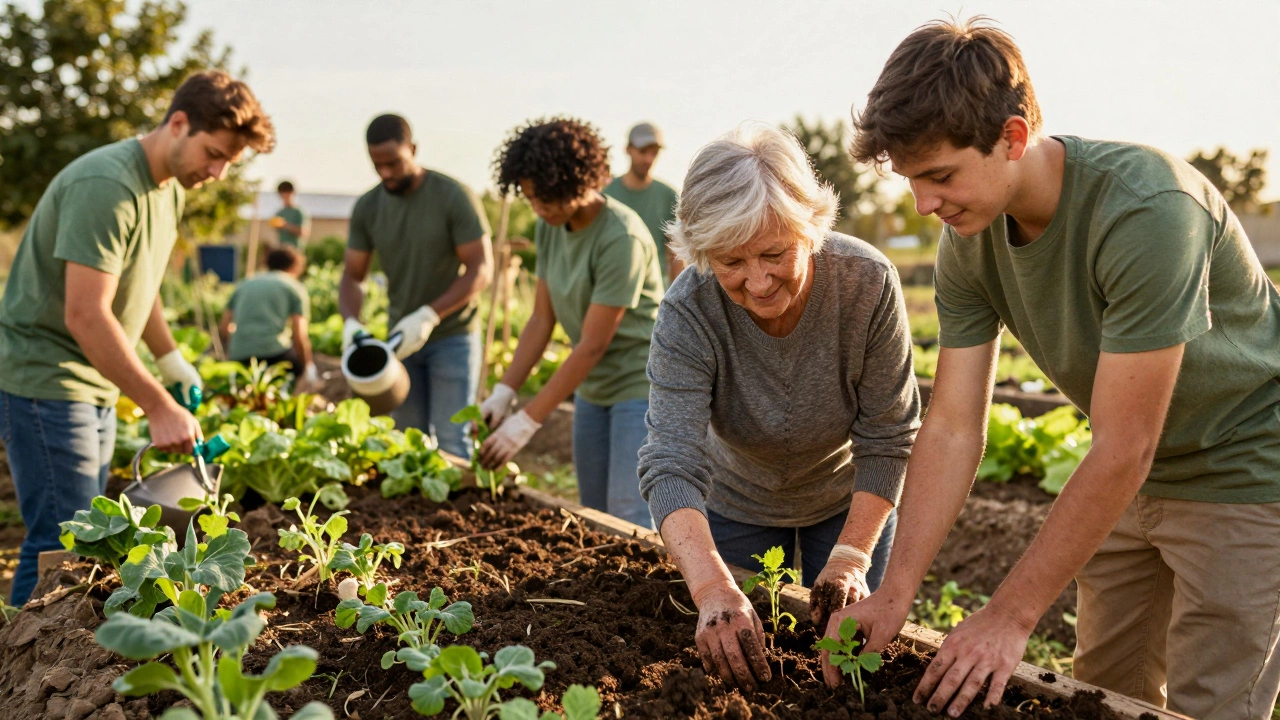
You don’t need to volunteer 20 hours a week. You don’t need to quit your job. You don’t need to be perfect. Just show up. Once a month. Twice a season. Even once a year. What matters isn’t the number of hours-it’s the consistency. The reliability. The fact that someone knows you’ll be there.A community garden in Portland thrives because five people show up every Saturday, rain or shine. One of them is a retired teacher. Another is a college student. A third is a single mom who brings her kid. They don’t talk much. They just work. And over time, they’ve built something deeper than tomatoes. They’ve built trust.
Who benefits more? The answer is simple.
The person who volunteers benefits more-not because they’re better, or more selfless, or more deserving. But because they’re the one changing. The one growing. The one stepping outside their own head and into someone else’s world.Volunteering doesn’t fix society. But it fixes you. And sometimes, that’s the first step toward fixing everything else.
Do I need experience to volunteer?
No. Most organizations train volunteers on the spot. Whether you’re serving meals, planting trees, or helping with paperwork, you’ll get clear instructions. The only requirement is showing up willing to learn.
Can volunteering help me find a job?
Yes. Employers value volunteers because they demonstrate initiative, reliability, and teamwork. A 2023 LinkedIn survey found that 41% of hiring managers were more likely to interview someone with volunteer experience, even if their resume was otherwise average. It’s not about the role-it’s about the character you show.
What if I don’t have time?
Start small. One hour a month counts. Virtual volunteering-like tutoring online, writing letters to isolated seniors, or helping with social media for a nonprofit-takes as little as 30 minutes. Consistency beats quantity every time.
Is volunteering only for people who have it easy?
No. People from all walks of life volunteer-even those facing hardship themselves. A single parent might volunteer at a literacy program because they remember struggling to read. Someone on a fixed income might knit blankets for shelters. Volunteering isn’t about how much you have. It’s about what you’re willing to give.
Can volunteering make me happier?
Research says yes. A 2025 study from the University of California tracked over 10,000 volunteers over five years. Those who volunteered regularly reported higher levels of life satisfaction than those who didn’t-even after controlling for income, health, and social support. The act of giving, without expectation, triggers lasting emotional rewards.