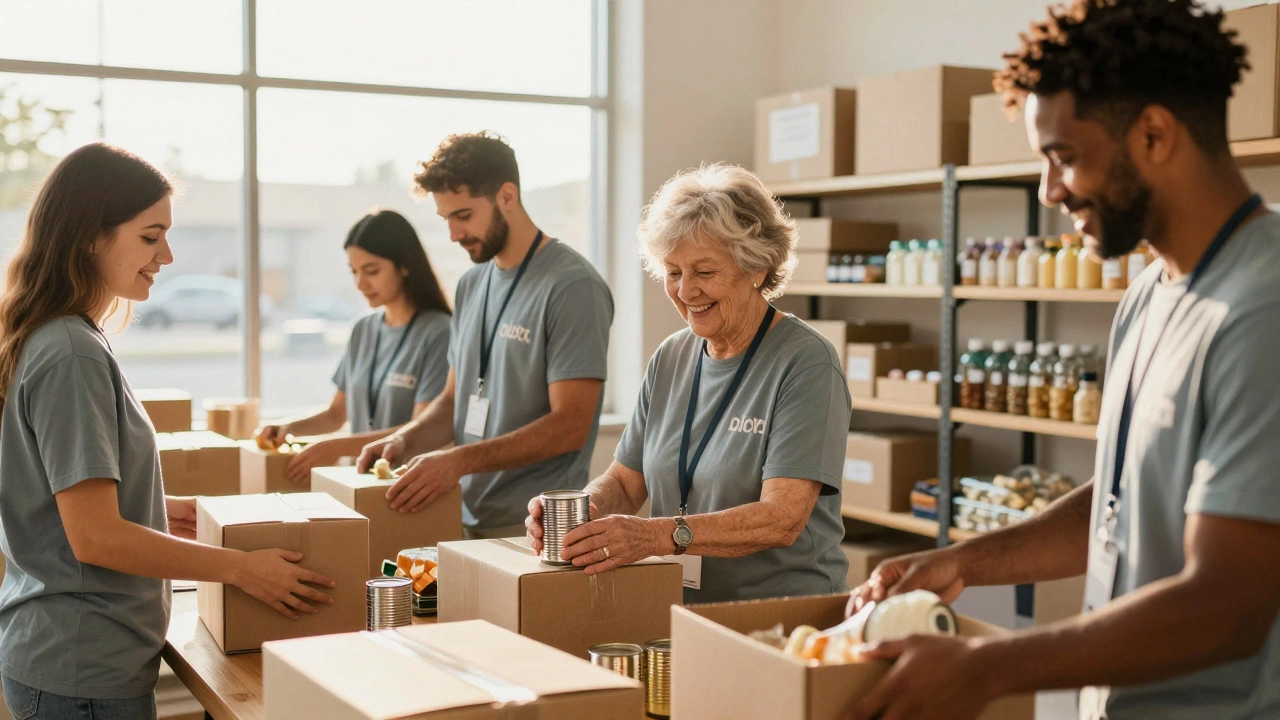
When you sign up to volunteer, you’re usually told you’re helping others. And that’s true. But what if the biggest reward isn’t what you give - it’s what you get? People often assume the community gains the most from volunteer work. But the truth is more layered. The real answer isn’t one side or the other. It’s both. But not equally. And that’s where things get interesting.
Volunteers Gain More Than They Realize
Think about the last time you volunteered. Maybe you served meals at a shelter, tutored a kid after school, or helped clean up a local park. You walked away feeling good. But that feeling? It’s not just a warm glow. It’s science.
A 2023 study from the University of Michigan tracked over 5,000 adults who volunteered regularly for a full year. Those who volunteered at least twice a month showed a 23% drop in stress-related hormones. Their cortisol levels, the body’s main stress signal, dropped consistently - not just during the volunteer shift, but throughout the week. That’s not coincidence. It’s biology.
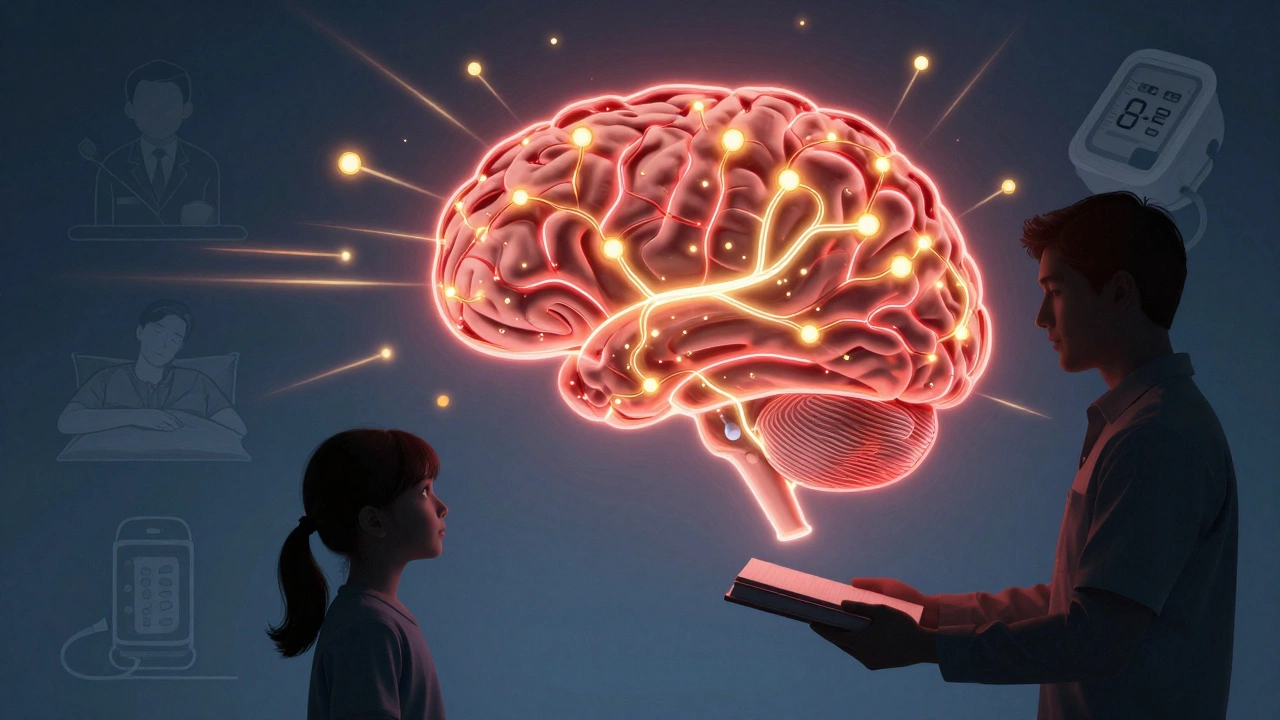
Volunteering also rewires your brain. When you help someone, your brain releases dopamine and oxytocin - the same chemicals activated by exercise, laughter, or falling in love. That’s why volunteers often report better sleep, lower rates of depression, and even reduced chronic pain. One 72-year-old woman in Ohio started packing food boxes for food banks after her husband passed. Within six months, her doctor noted her blood pressure had dropped to normal levels for the first time in a decade.
And it’s not just mental. Volunteers have a 27% higher chance of finding a new job than non-volunteers, according to LinkedIn’s 2025 workforce report. Why? Because volunteering builds skills you can’t get in a classroom: leadership, problem-solving, teamwork under pressure. A former warehouse worker in Atlanta who started helping at a youth center ended up managing a nonprofit outreach program - all because he learned how to listen, adapt, and organize on the ground.
The Community Gets Help - But It’s Not Always Lasting
Of course, communities benefit. Food pantries fill. Kids get homework help. Parks get cleaned. These are real, measurable wins. In 2025, U.S. volunteers contributed an estimated 6.3 billion hours of service. That’s worth over $190 billion in economic value, according to the Corporation for National and Community Service.
But here’s the catch: many community programs rely on volunteers who come and go. A food bank in Detroit served 300 families a week - until half its volunteers quit after the holidays. The same thing happens with after-school programs, senior check-in calls, and neighborhood watch groups. Volunteers often show up when they’re motivated - but don’t stick around when life gets busy.
That means the community’s gains are often temporary. A single volunteer might help a child pass a math test this semester. But if that volunteer leaves next month, the child loses their tutor. The system doesn’t change. The need doesn’t disappear. The help is real, but it’s fragile.
Who Gets the Long-Term Payoff?
Let’s compare two scenarios.
Scenario A: A 19-year-old college student volunteers at a homeless shelter for 10 hours a month during the semester. She gains confidence, learns how to talk to people in crisis, and builds a resume that lands her an internship. She doesn’t think about it much after graduation - until five years later, when she’s managing a social services team and remembers how to de-escalate a tense situation. That skill? It came from those 100 hours.
Scenario B: A retired teacher tutors a group of fifth graders every Tuesday. She helps them improve reading scores. One student, Maria, goes on to become a nurse. Maria thanks her teacher in a speech at graduation. The teacher cries. But the tutoring program shuts down next year when the teacher moves to Florida. No one replaces her. Maria’s next class doesn’t have a tutor.
Who benefited more? Maria got a boost. But the volunteer got a purpose, a routine, and a skill that changed the direction of her life - even after she left.
Volunteering Isn’t Charity. It’s Mutual Growth.
Too often, we frame volunteering as one-way giving. But real change happens when both sides grow. The community gets short-term relief. The volunteer gets long-term transformation.
Here’s what most organizations miss: they recruit volunteers to fill gaps, not to grow. They need bodies to sort clothes or hand out meals. But they don’t ask: What do you want to learn? What skills do you want to build? What connection are you looking for?
Programs that treat volunteers as partners - not just labor - see better results. Take the Green Corps program in Portland. Volunteers don’t just plant trees. They train to become environmental educators. They learn soil science, public speaking, grant writing. After two years, 60% of them start their own community gardens or nonprofit initiatives. The city gets more green space. But the volunteers? They become leaders.

What You Should Do If You Want to Benefit
If you’re thinking about volunteering, don’t just pick the first opportunity you see. Ask yourself:
- What do I want to get out of this? (Skills? Connection? Purpose?)
- What kind of work matches my strengths - or challenges them in a good way?
- Can I commit to at least 3 months? Short bursts help, but real change takes time.
- Does this organization track outcomes - for both volunteers and the people they serve?
Don’t volunteer just to feel good. Volunteer to grow. The best programs don’t just need your time - they need your curiosity.
Why This Matters Now More Than Ever
In 2026, loneliness is officially classified as a public health risk by the CDC. Social isolation affects more than 40% of adults under 45. Volunteering is one of the few structured ways to build real human connection - not just digital likes or group chats.
At the same time, nonprofits are struggling to keep staff. Many rely on volunteers to do jobs that used to be paid positions. Without volunteers, food banks close. Youth centers shut down. Seniors go days without human contact.
But if we keep treating volunteers as disposable, we’ll burn them out. And the community will lose even more.
The future of volunteering isn’t about doing more. It’s about doing it better. For the people who show up - and the people who need them.
Do volunteers get paid?
No, volunteers don’t receive wages. But many programs offer non-monetary benefits: training, references, free meals, transportation reimbursement, or even college credit. Some nonprofits offer stipends for long-term roles, especially in rural or high-need areas. The real "payment" is personal growth, skill development, and stronger social connections.
Is volunteering worth it if I’m not good at it?
Yes - especially if you’re not good at it. Volunteering is one of the few places where you can try something new without pressure. If you’re bad at organizing events, that’s okay. If you’re awkward talking to strangers, that’s normal. The point isn’t perfection. It’s presence. Most organizations train you on the job. The first time you serve food at a shelter, you’ll fumble. The fifth time, you’ll know who needs extra napkins. Growth happens in the messy middle.
Can volunteering replace therapy or counseling?
No, volunteering is not a substitute for professional mental health care. But it can be a powerful complement. Studies show that people in therapy who also volunteer report faster improvement in mood and self-worth. It’s not magic - it’s structure. Helping others gives you perspective, purpose, and routine - all things that support emotional healing. But if you’re struggling, talk to a therapist first.
What if I don’t have time to volunteer?
You don’t need hours. A 2024 study found that even 2 hours a month - about the time it takes to watch two movies - can improve well-being. Try micro-volunteering: write a thank-you note to a frontline worker, donate old books to a library, or help a neighbor carry groceries. Small actions add up. Consistency matters more than quantity.
Do younger people benefit more than older adults?
Not necessarily. Younger volunteers often gain career skills and confidence. Older adults gain purpose, social connection, and reduced risk of cognitive decline. A 2025 Johns Hopkins study found that seniors who volunteered regularly had a 30% lower chance of developing dementia over five years. Both groups benefit deeply - just in different ways. Age doesn’t determine who gains more. Commitment does.