
After-School Balance Calculator
Find the sweet spot between enrichment and burnout. Enter your child's details below to see if their current schedule supports healthy development.
Enter Details
Adjust the inputs to see how your child's schedule compares to recommended guidelines.
You drop your kid off at soccer practice on Tuesday, rush them to piano lessons on Thursday, and wonder if you should have signed them up for coding club last month. It feels like a second job, right? But here is the thing: after-school activities are not just about keeping kids busy while parents work. They are a critical part of development that shapes social skills, mental health, and even future career paths.
The short answer is yes, they are good for you-or rather, good for your child. But there is a catch. The benefits only appear when the activity fits the child’s interests and doesn’t crush their free time under the weight of overscheduling. Let’s break down exactly what happens in a child’s brain and body when they join a club, sport, or group, and how to find the sweet spot between enrichment and burnout.
The Brain Boost: Why Structured Play Matters
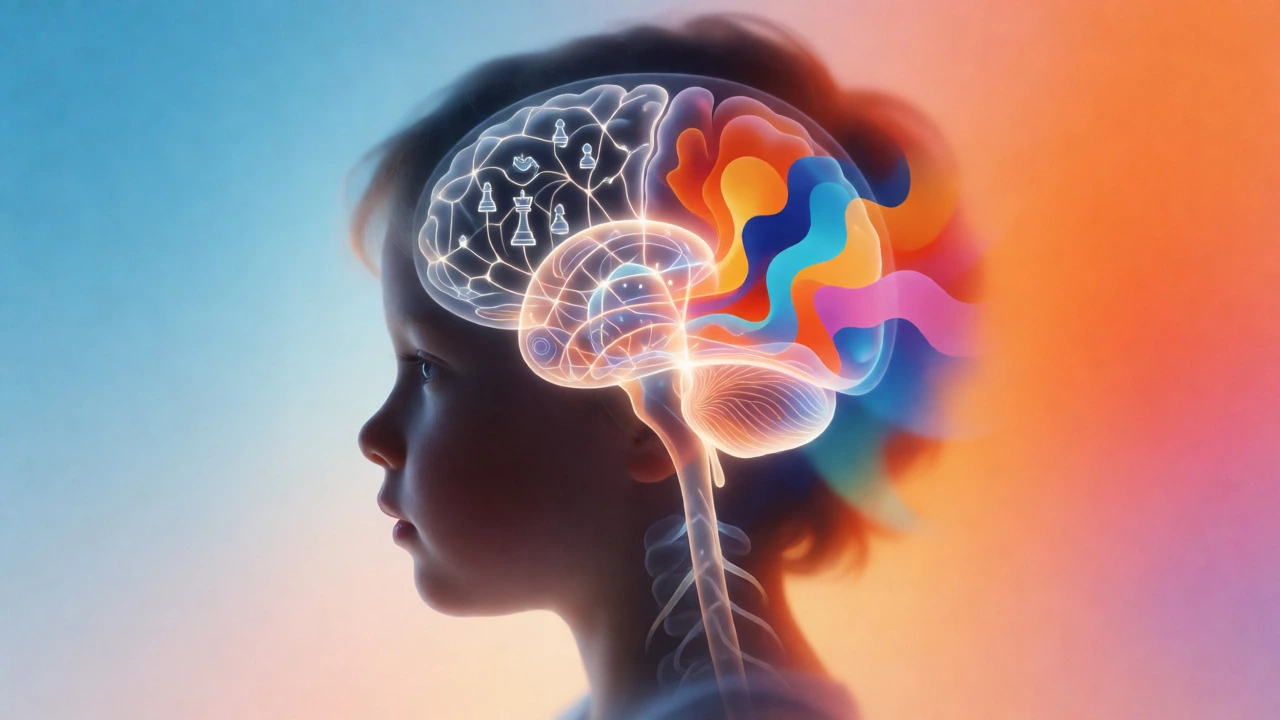
When a child engages in an extracurricular activity, they aren't just killing time. They are rewiring their brains. Neuroscientists have found that structured activities require executive function-the ability to plan, focus attention, remember instructions, and juggle multiple tasks successfully. This is different from unstructured play, which is great for creativity but doesn't always demand the same level of disciplined focus.
Consider a chess club. A player must anticipate an opponent's move, calculate consequences, and manage the clock. These cognitive demands strengthen neural pathways associated with problem-solving and logical reasoning. Research published in journals like Child Development suggests that students who participate in arts-based activities show improved reading comprehension and mathematical abilities compared to peers who do not. It isn't magic; it is practice. The brain is a muscle, and after-school clubs provide the gym.
But it’s not just about grades. Social-emotional learning (SEL) thrives in these settings. In a classroom, interactions are often teacher-led. On the soccer field or in a drama troupe, kids negotiate roles, resolve conflicts, and build camaraderie without adult intervention every two minutes. This peer-to-peer interaction builds resilience and empathy in ways that standardized tests simply cannot measure.
Mental Health and Social Skills: The Hidden Curriculum
Ask any teenager why they joined the debate team or the robotics club, and they might say "to make friends." That is a valid reason. For many young people, school hallways can be socially isolating places where cliques form rigid boundaries. After-school groups offer a neutral ground based on shared interests rather than proximity or popularity.
Studies indicate that adolescents involved in organized sports report lower levels of anxiety and depression. Why? Because physical activity releases endorphins, but also because being part of a team provides a sense of belonging. Humans are tribal creatures. Feeling like you belong to a group reduces stress hormones like cortisol. When a child knows they have a place where they are valued for their contribution-whether it is scoring a goal or fixing a bug in code-their self-esteem stabilizes.
However, this benefit flips if the environment becomes toxic. If a coach yells excessively or a club culture promotes exclusion, the mental health boost vanishes. The key variable is not the activity itself, but the quality of the social environment within it.
The Overscheduling Trap: When 'Good' Becomes Bad
Here is where the narrative gets complicated. Just because something is good doesn't mean more is better. We live in an era of hyper-parenting, where every hour is accounted for. The concept of "helicopter parenting" has evolved into "lawnmower parenting," where parents clear all obstacles from their child's path by filling every gap with an activity.
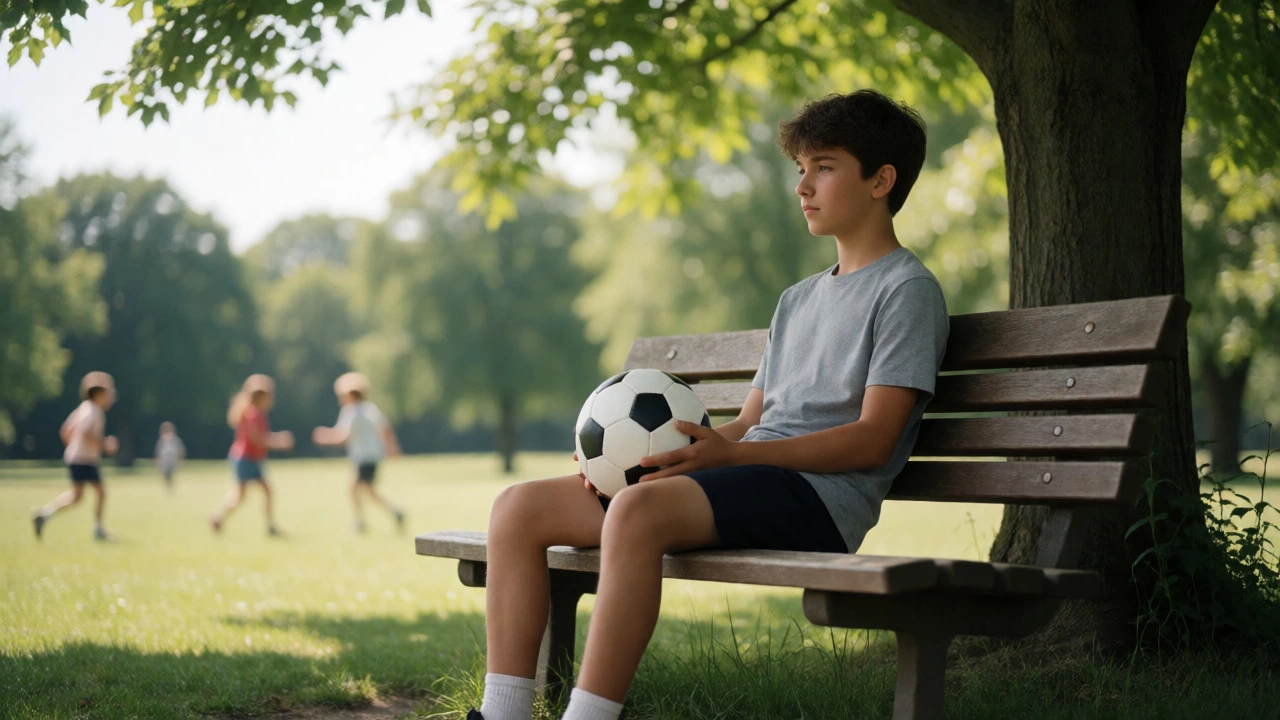
What happens when a child has no downtime? They experience chronic stress. Without unstructured time, children lose the opportunity to daydream, process emotions, and develop intrinsic motivation. If every minute is scheduled, the child never learns to entertain themselves or decide what they want to do next. This can lead to burnout, characterized by irritability, sleep disturbances, and a sudden loss of interest in things they once loved.
| Indicator | Healthy Engagement | Warning Sign (Overscheduling) |
|---|---|---|
| Energy Levels | Excited before, tired but satisfied after. | Exhausted before starting, dreading the event. |
| Free Time | At least one full afternoon per week unscheduled. | No free time; homework done in car or waiting room. |
| Sleep | Consistent bedtime routine maintained. | Bedtime pushed back due to late practices/events. |
| Choice | Child chose the activity freely. | Parent chose the activity for resume-building. |
If you look at the table above, notice the shift in agency. Healthy engagement requires the child to own the experience. When parents drive the bus, the destination loses its appeal. A rule of thumb used by many pediatricians is the "one-hour-per-grade" limit for total extracurriculars per week, though this varies by age. The goal is balance, not maximization.
Academic Performance: Correlation vs. Causation
Parents often sign kids up for tutoring or math clubs hoping to boost GPAs. Does it work? Sometimes. But correlation does not equal causation. High-achieving students often participate in more activities, but that doesn't mean the activities made them high achievers. Often, it is the underlying traits-discipline, curiosity, parental support-that drive both academic success and participation rates.
That said, certain activities directly support academic growth. Learning a musical instrument improves phonological awareness, which aids language acquisition. Team sports teach time management, forcing students to prioritize homework around practice schedules. Conversely, over-commitment can hurt grades. If a student spends four hours a night at swim practice, they may sacrifice study time or sleep, leading to lower test scores despite their hard work elsewhere.
The sweet spot seems to be moderate involvement. Students who participate in one or two meaningful activities tend to outperform those who participate in none, as well as those who try to do ten. Moderation allows the brain to rest and consolidate learning.
Choosing the Right Activity: A Practical Guide
So, how do you pick? Don't start with what looks good on a college application. Start with what makes your child light up. Ask them: What do you do when you have free time? Do they build things? Draw? Argue? Run? Move?
- For the introvert: Look for small-group activities like book clubs, coding camps, or martial arts (which often emphasize individual discipline).
- For the extrovert: Team sports, theater, or debate clubs provide the social feedback loop they crave.
- For the restless: Physical outlets like dance, rock climbing, or track help regulate energy levels.
- For the thinker: Robotics, chess, or science fairs satisfy the need for intellectual challenge.
Trial periods are essential. Most clubs allow a month-long trial. Use this time to observe, not just listen. Watch your child’s face when they come home. Are they talking excitedly about what happened, or are they silent and drained? Trust your gut. If they dread Monday nights, cut it loose. There is no shame in quitting. Quitting teaches commitment assessment-a valuable life skill in itself.
Long-Term Impact: Beyond Childhood
The effects of after-school activities ripple into adulthood. Adults who participated in youth sports often exhibit higher levels of leadership and teamwork in professional settings. Those involved in arts frequently demonstrate greater creative problem-solving abilities. Moreover, the networks built during these years can persist for decades. Friendships formed in high school band or varsity teams often translate into lifelong support systems.
Furthermore, early exposure to diverse fields helps individuals identify career interests sooner. A teen who tries journalism club might realize they hate writing deadlines but love interviewing people, steering them toward public relations instead of copywriting. This early experimentation saves years of career confusion later.
How many after-school activities are too many?
There is no magic number, but most experts suggest limiting commitments so that the child still has at least 5-7 hours of unstructured free time per week. If homework, sleep, or family meals are consistently sacrificed for activities, it is likely too many. Watch for signs of chronic fatigue or irritability.
Do after-school activities improve college admissions chances?
Yes, but depth matters more than breadth. Admissions officers prefer seeing sustained commitment and leadership in one or two areas rather than a long list of superficial memberships. Starting early and growing into a role (like captain or president) shows character and dedication.
Is it okay for my child to quit an activity?
Absolutely. Quitting is healthy if done thoughtfully. Discuss why they want to quit. Is it a temporary slump, a conflict with a peer, or a genuine lack of interest? Teaching children to evaluate their commitments and exit gracefully is a crucial life skill.
Can after-school activities help with ADHD or anxiety?
Often, yes. Structured environments with clear rules and immediate feedback can be comforting for children with ADHD. Physical activities help regulate dopamine and serotonin levels, which can alleviate symptoms of anxiety. However, highly competitive or chaotic environments might exacerbate stress, so choose carefully.
What if we cannot afford expensive clubs?
Many community centers, libraries, and schools offer low-cost or free programs. Parks and recreation departments often have subsidized sports leagues. Additionally, informal groups-like neighborhood basketball games or local hiking clubs-provide similar social and physical benefits without the price tag.