Community Outreach Strategy Planner
Design a high-impact outreach plan in seconds. Select your primary goal and target audience to receive tailored recommendations based on best practices for building trust and achieving mutual goals.
Your Recommended Approach
High FitRecommended Tactics
Key Considerations
Based on principles of listening before speaking, local partnerships, and measurable outcomes.
You’ve probably seen them: volunteers handing out flyers at a local park, a nonprofit hosting a free health clinic in a neighborhood center, or a city council member knocking on doors to ask what residents actually need. It looks simple from the outside-people talking to people. But community outreach is a strategic process of building relationships between an organization and specific groups within a locality to achieve mutual goals. It’s not just about showing up; it’s about listening, adapting, and delivering value where it matters most.
If you’re trying to figure out how this machinery works, whether for a school project, a new job, or your own volunteer group, you’re asking the right question. Most outreach efforts fail because they skip the groundwork. They assume everyone wants what they’re offering. This guide breaks down the actual mechanics of effective outreach, moving beyond buzzwords to the concrete steps that make communities say "yes" instead of closing the door.
The Core Mechanism: Listening Before Speaking
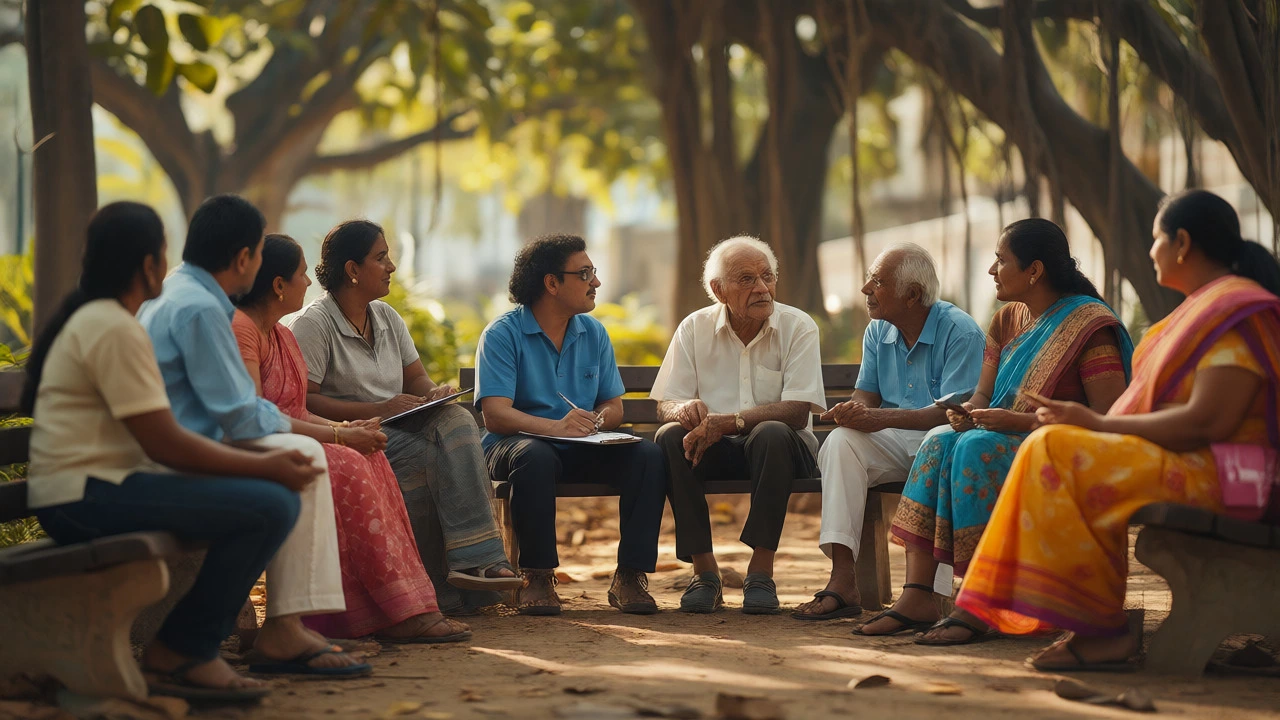
The biggest mistake organizations make is treating outreach as a broadcast channel. They have a message ("Come to our workshop," "Vote for this measure," "Buy this service") and they push it out. But real community engagement starts with discovery. You cannot solve a problem you haven’t defined, and you certainly can’t define it alone.
Think of it like dating. If you walk up to someone and immediately list your achievements without asking their name, you’re likely to get rejected. Outreach requires a similar humility. The first phase is always assessment. This involves identifying who lives in the target area, what they care about, and what barriers they face. In Sydney, for example, an outreach team targeting Western Sydney might find that public transport schedules are a bigger barrier to attending evening events than the event content itself. If you don’t know that, you’ll waste money on marketing materials that no one reads.
This isn’t just guesswork. Effective teams use mixed methods for assessment:
- Stakeholder Mapping: Identifying key influencers, local leaders, and gatekeepers who control access to the community.
- Surveys and Focus Groups: Directly asking residents about their needs and preferences.
- Data Analysis: Looking at census data, crime statistics, or health records to understand demographic trends.
Building Trust Through Local Partnerships
Once you know what the community needs, you need a way to reach them. Here’s the hard truth: outsiders rarely get instant trust. If you’re a large organization entering a tight-knit neighborhood, you’re an unknown variable. The fastest way to bridge that gap is through existing networks. This is where grassroots organizing plays a critical role. It’s the practice of mobilizing local individuals to take action on issues that affect them directly.
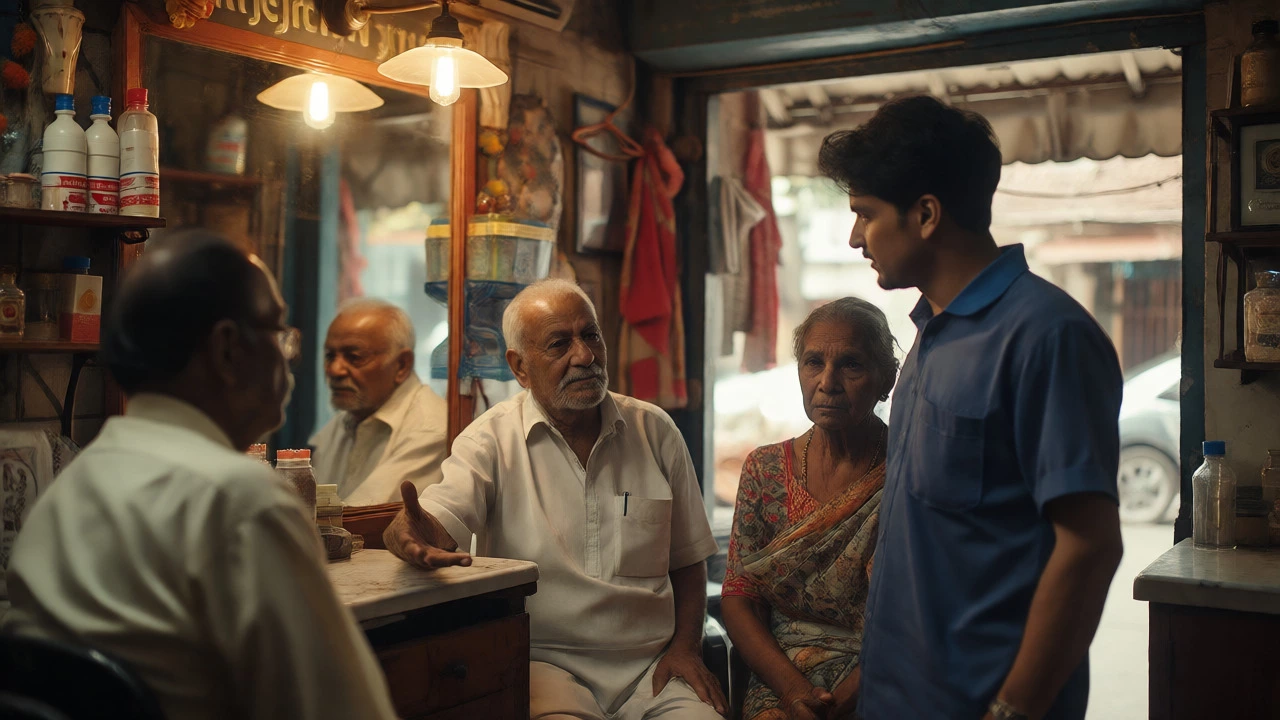
Partnering with trusted local entities acts as a credibility transfer. When a local church, a respected barbershop owner, or a neighborhood association vouches for your program, their trust rubs off on you. This is why successful outreach programs often hire staff from the community itself. A resident knows which streets flood during heavy rain, which local cafes are gathering spots, and which languages are spoken in the households next door.
| Approach | Cost | Trust Level | Reach |
|---|---|---|---|
| Digital Ads | Medium | Low | High |
| Direct Mail | High | Low | Medium |
| Local Partnerships | Low/Medium | High | Targeted |
| Door-to-Door | High (Labor) | Medium/High | Very Targeted |
Notice the pattern? Digital ads give you reach but little depth. Door-to-door gives you depth but costs a fortune in labor. Local partnerships offer the best balance of trust and efficiency. They allow you to piggyback on established communication channels. For instance, if you’re promoting a youth literacy program, partnering with a local sports club lets you speak to parents while their kids are playing soccer. You’re not interrupting their day; you’re adding value to it.
Designing Accessible Programs
With trust established and needs identified, you move to design. This is where many well-meaning projects collapse. They create solutions that look good in a boardroom but fail in the real world. Accessibility isn’t just about wheelchair ramps (though that’s crucial). It’s about cognitive, linguistic, and logistical accessibility.
Consider language. In diverse areas, English-only flyers exclude a significant portion of the population. If you’re operating in a suburb with high Mandarin or Arabic speakers, your materials must reflect that. Furthermore, timing matters. Hosting a "free financial planning seminar" at 9 AM on a Tuesday excludes shift workers and stay-at-home parents managing childcare. Successful outreach adapts to the community’s rhythm, not the organization’s convenience.
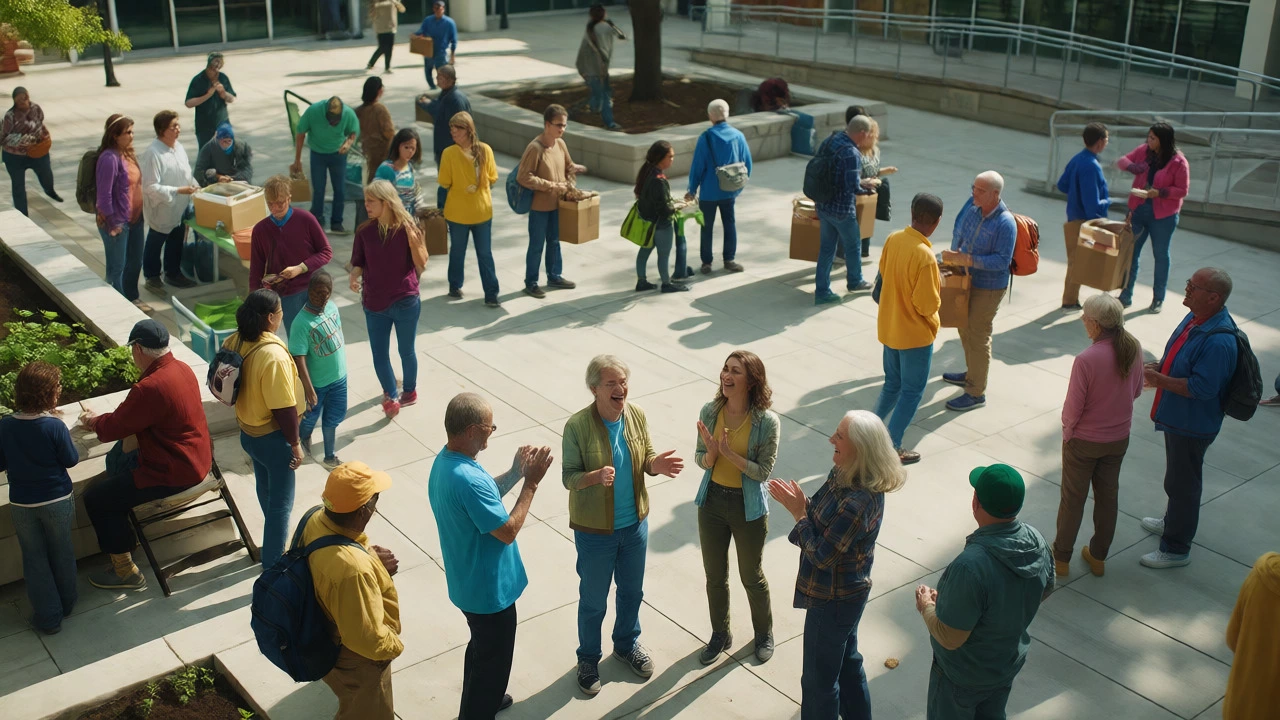
Another key factor is relevance. People engage when they see immediate value. A generic "community clean-up" might attract few participants. But a "clean-up and BBQ with free tools provided" addresses multiple needs: civic pride, social connection, and practical benefit. The mechanism here is reciprocity. The community gives time; you give resources and recognition.
Execution: The Human Touch
Execution is where theory meets pavement. No matter how perfect your plan, it relies on human interaction. Volunteers and staff are the face of your organization. They need training, yes, but more importantly, they need autonomy. Rigid scripts often sound robotic. Encourage your team to listen more than they talk.
A common pitfall is the "hit-and-run" approach. Teams drop off pamphlets and leave. Real relationship building requires consistency. If you promise to follow up, do it. If you commit to a monthly meeting, show up even if only three people attend initially. Consistency builds reliability, and reliability builds trust.
Also, consider the physical environment. Where are you holding meetings? A sterile office block feels intimidating to some residents. A community hall, a library, or even a park gazebo feels neutral and welcoming. The setting signals who belongs there. Make sure your venue is easy to find, safe, and comfortable.
Measuring Impact Beyond Headcounts
How do you know if it worked? Many organizations stop at counting attendees. "We had 50 people at the event." That’s a vanity metric. It tells you nothing about change. Did those 50 people sign up for services? Did they feel more informed? Did their behavior change?
Effective measurement tracks outcomes, not just outputs. Outputs are what you do (number of flyers distributed). Outcomes are what changes (increase in vaccination rates, reduction in litter, rise in voter registration). To measure these, you need baseline data before you start and follow-up data after. Surveys work, but so do observational metrics. Are more families using the new playground? Is the local shop reporting higher sales during your market days?
Be honest about failures. If a program didn’t work, document why. Was it the timing? The location? The message? This learning loop is vital for continuous improvement. Outreach isn’t a one-off campaign; it’s an ongoing dialogue.
Sustaining Engagement Long-Term
The final piece of the puzzle is sustainability. One-time gestures can feel transactional. "They came, took photos, and left." To sustain engagement, you need to integrate into the community fabric. This means creating feedback loops where community members have a say in future activities.
Empowerment is key. Move from "doing for" to "doing with." When residents co-design programs, ownership increases. A neighborhood garden maintained by locals lasts longer than one planted by a visiting crew. Provide training, resources, and platforms for leadership. Let community members become the ambassadors.
Finally, celebrate wins publicly. Acknowledge contributions. Host small gatherings to thank volunteers. Share stories of impact. These rituals reinforce the sense of belonging and remind everyone why the effort matters. Community outreach works because it recognizes that people are not targets; they are partners.
What is the difference between community outreach and marketing?
Marketing primarily focuses on selling products or services to consumers, often prioritizing profit and brand awareness. Community outreach focuses on building relationships and addressing community needs, often prioritizing social impact and mutual benefit. While both involve communication, outreach is typically two-way and non-transactional, aiming for long-term engagement rather than immediate conversion.
How much does community outreach cost?
Costs vary widely depending on scale and method. Digital campaigns might cost a few hundred dollars, while hiring full-time outreach coordinators and renting venues can run into tens of thousands annually. However, leveraging volunteers and existing community spaces can significantly reduce expenses. The primary investment is often time and personnel rather than direct cash outlay.
Why do community outreach programs fail?
Common reasons include lack of genuine community input (designing solutions in isolation), inconsistent funding, poor timing or location choices, and failing to build trust with local gatekeepers. Additionally, ignoring cultural nuances or language barriers can alienate the very audience the program aims to serve.
Do I need a budget to start community outreach?
Not necessarily. Many successful initiatives start with zero budget by relying on volunteer energy, donated space, and in-kind services. The essential resource is human capital and organizational will. As relationships grow, securing grants or sponsorships becomes easier, allowing for scaled-up activities.
How long does it take to see results from outreach?
Initial engagement, such as attendance at events, can happen quickly. However, deep trust and measurable social change (like improved health outcomes or civic participation) typically require months or years of consistent effort. Patience and persistence are critical traits for anyone involved in this field.