Community Outreach Strategy Analyzer
Select a strategy below to see its effectiveness profile based on the article's framework.
Select a Strategy
Click on any strategy card to analyze its potential impact, required effort, and trust dynamics.
You send out the flyers. You post on social media. You knock on a few doors. And then... silence. Or worse, polite nods that go nowhere. If you are struggling to make your community outreach stick, you are not alone. Most organizations treat outreach like a broadcast-shouting into the void and hoping someone hears them. But real connection doesn't work that way. It works like a conversation. It requires listening before speaking, showing up where people actually are, and offering value before asking for anything in return.
The difference between an outreach campaign that fizzles and one that builds a movement is rarely budget. It is strategy. It is empathy. It is the ability to see the community not as a target audience, but as partners. To get better results, you have to stop trying to "reach out" and start trying to "reach in." This means understanding the specific needs of your neighbors, building trust with local gatekeepers, and measuring success by relationships built, not just emails sent.
Shift From Broadcasting to Listening
The biggest mistake teams make is assuming they know what the community wants. You might think people need more recycling bins. They might actually need a safe place for teenagers to hang out after school. When you lead with assumptions, your message feels generic. When you lead with data from actual conversations, it feels relevant.
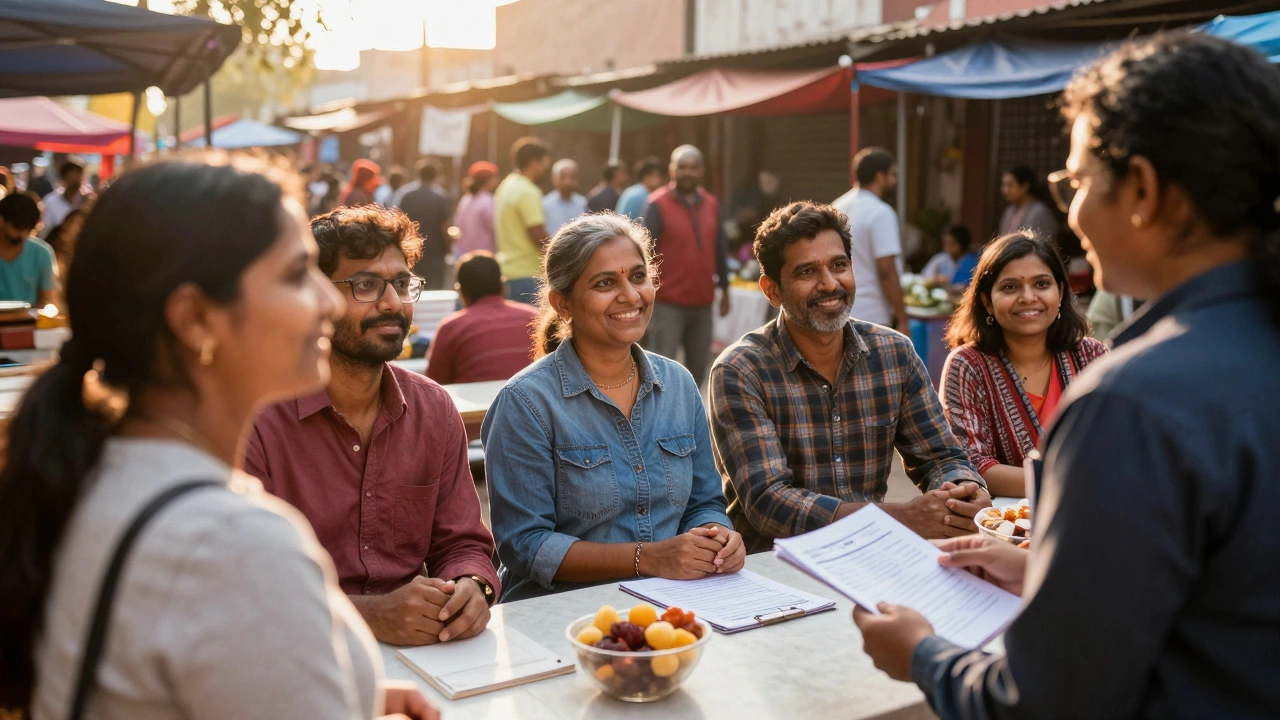
Start by conducting simple, low-barrier research. Don't launch a complex survey that takes twenty minutes. Instead, set up a small table at a local market or library with two questions and a bowl of candy. Ask, "What is one thing that would make this neighborhood better?" and "Who do you trust most when looking for local help?" The answers will surprise you. In Sydney, for example, many community groups found that during the cost-of-living crunch in 2024-2025, residents were less interested in abstract environmental goals and more focused on immediate financial support networks. Your outreach must reflect these current realities.
Listen to the language people use. If they say "we need safety," don't respond with "crime statistics." Respond with "neighborhood watch programs" or "better street lighting." Matching their vocabulary builds instant rapport. It shows you are speaking their dialect, not your corporate jargon.
Identify and Engage Local Gatekeepers
No community exists in a vacuum. Every neighborhood has informal leaders. These are the people who organize the block parties, run the local Facebook groups, or simply know everyone's name at the grocery store. We call them gatekeepers, but that term sounds exclusive. Think of them as connectors.
If you try to bypass these individuals, you will likely hit a wall. They hold the social capital you lack. Your job is not to convince the whole town at once; it is to convince the five or ten people who influence the rest. How do you find them? Look at who gets invited to everything. Who volunteers for every event? Who runs the local sports club?
Approach them with humility. Do not ask them to promote your cause immediately. Ask for their advice. Say, "I am trying to improve access to mental health resources in this area. You seem to know this community well. What do you think is missing?" When you validate their expertise, they become your allies. Once a trusted local figure endorses your initiative, the barrier to entry for everyone else drops significantly.
Create Value Before Asking for Action
People are tired of being asked. Asked to donate. Asked to sign petitions. Asked to attend meetings. If your first interaction with a potential supporter is a request, you are adding to their fatigue. To get better outreach, you must flip the script. Give first.
This concept is known as value-first outreach. What can you offer that costs you little but means a lot to them? Maybe it is free workshops on resume writing. Maybe it is a tool library where neighbors can borrow drills and ladders. Maybe it is simply reliable information about local council changes that affect their property taxes.
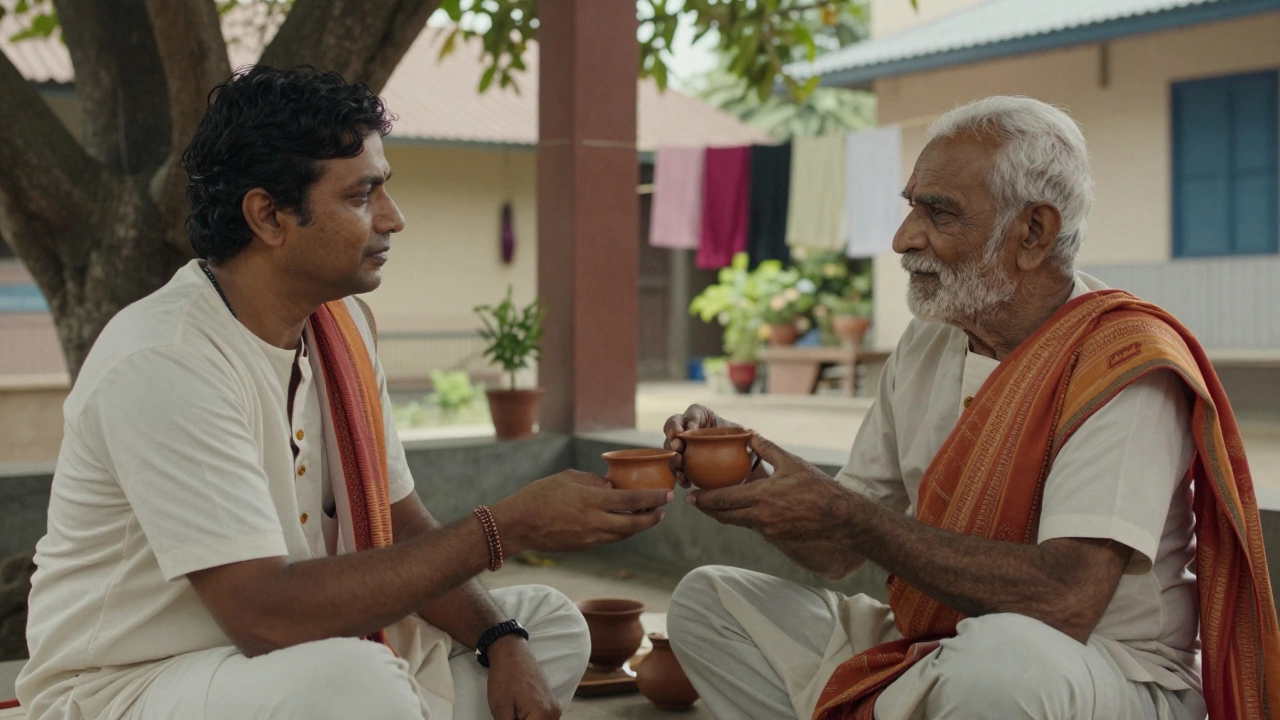
Consider the "free Friday" model used by several successful NGOs in Australia. Every Friday, they host a casual drop-in session with no agenda other than providing coffee and answering questions. No sales pitch. No signup forms. Just presence. Over time, people begin to associate your organization with helpfulness rather than hassle. When you eventually do ask for support, they are far more likely to say yes because you have already earned their trust through consistent, non-transactional generosity.
Leverage Hyper-Local Digital Channels
Social media algorithms favor engagement, but broad platforms like Instagram or Twitter often fail for grassroots outreach because the signal-to-noise ratio is too high. Your post gets lost among celebrity gossip and global news. For community impact, you need hyper-local digital channels.
Focus on platforms where geography matters. Nextdoor is powerful for neighborhood-specific issues. Local Facebook Groups (like "Sydney CBD Residents" or "Inner West Mums") are goldmines for targeted messaging. However, posting directly can come across as spammy if you are not careful. The key is participation. Join the group as an individual, not just as a brand page. Comment on other posts. Answer questions unrelated to your mission. Build a reputation as a helpful neighbor online before you ever mention your project.
Also, do not underestimate the power of email newsletters curated for local interest. Partner with existing local businesses-a cafe, a bookstore, a gym-to include a brief blurb about your initiative in their monthly newsletter. These lists are warm; the subscribers already care about the area. A recommendation from a trusted local business owner carries more weight than a thousand cold emails.
Design Low-Friction Entry Points
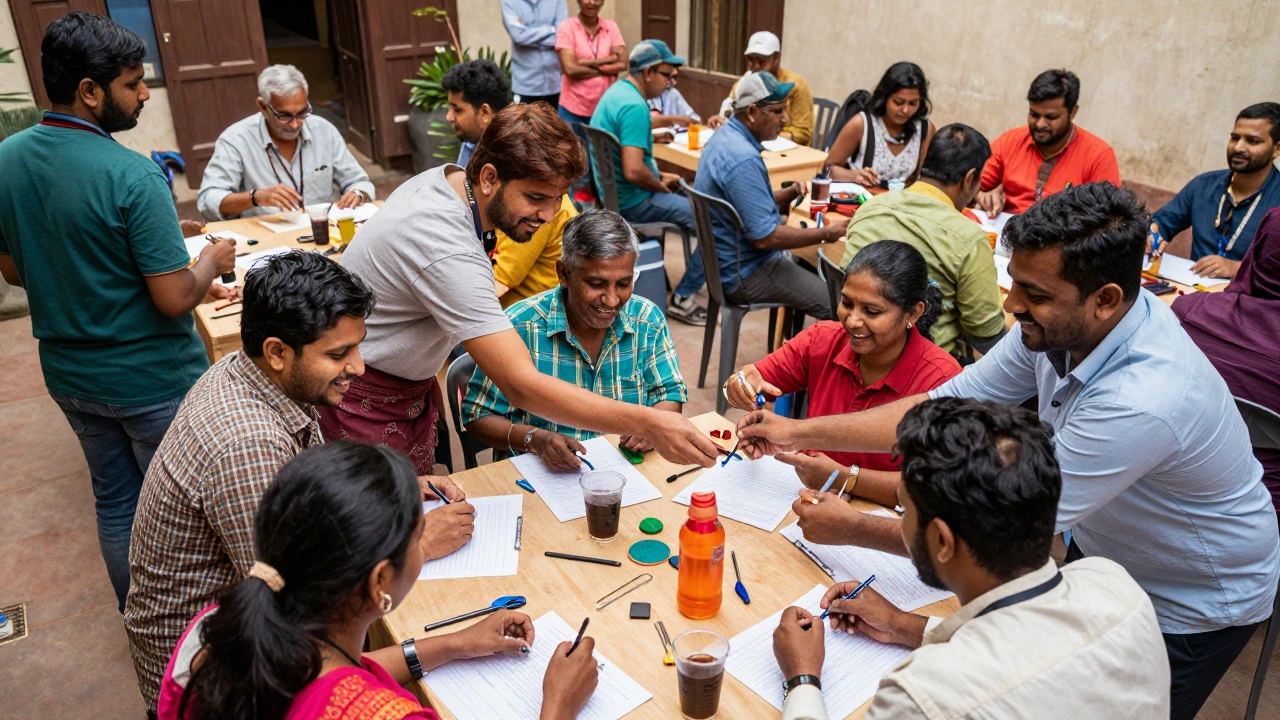
Friction kills momentum. If someone wants to help but has to fill out a ten-page form, attend a mandatory orientation, and commit to six months of weekly shifts, they will walk away. You need to design "low-friction" entry points. These are ways for people to engage with minimal effort and risk.
Think about the smallest possible action. Can they share a post? Can they attend a one-hour informational chat? Can they sponsor a single item for a food drive? Start there. The goal is to get them through the door. Once they are involved, you can deepen their commitment gradually. This is called the foot-in-the-door technique. People who agree to a small request are psychologically more likely to agree to larger ones later.
Make your calls to action crystal clear. Avoid vague phrases like "Get involved today." Instead, use specific instructions: "Click here to reserve your spot for the Saturday cleanup" or "Scan this QR code to donate $5." Specificity reduces cognitive load. It tells the person exactly what to do next, removing the ambiguity that often leads to inaction.
| Strategy Type | Effort Required | Trust Level Needed | Best For |
|---|---|---|---|
| Cold Emailing | Low | None | Initial awareness, broad reach |
| Gatekeeper Partnerships | High | Medium | Deep community integration |
| Value-First Events | Medium | Low | Building goodwill and brand affinity |
| Hyper-Local Social Media | Medium | Medium | Rapid mobilization of neighbors |
Measure Relationships, Not Just Reach
Vanity metrics lie. You can have ten thousand followers and zero impact. To get better outreach, you must change how you measure success. Stop obsessing over impressions, clicks, and likes. Start tracking relationship depth.
What metrics actually matter? Retention rates. How many people who attended your first event came back to the second? Conversion to action. How many people moved from passive observers to active volunteers? Sentiment analysis. Are people talking about your organization positively in private forums?
Create a simple feedback loop. After every interaction, ask for honest input. Use short, anonymous surveys. Ask, "Did we meet your expectations?" and "What could we have done better?" Then, publicly act on that feedback. If people suggest changing the meeting time, change it. Tell them you did. This closes the loop and proves you are listening. It transforms your outreach from a monologue into a dialogue.
Remember, community building is a marathon, not a sprint. It takes time to weave yourself into the fabric of a neighborhood. But when you focus on genuine connection, mutual value, and low-friction engagement, the results compound. You stop chasing people and start attracting them. That is the essence of effective outreach.
How long does it take to see results from community outreach?
Real community outreach is a long-term investment. While you might see immediate spikes in social media engagement, meaningful relationships and sustained participation typically take three to six months to develop. Consistency is key; sporadic efforts break trust. Focus on building a foundation of trust in the first quarter, then expect gradual growth in volunteer retention and community buy-in thereafter.
What is the best way to identify local gatekeepers?
Look for individuals who are consistently visible in local spaces. Attend community council meetings, visit local cafes, and join neighborhood social media groups. Pay attention to who others defer to for advice or who organizes informal gatherings. These individuals often hold informal leadership roles. Engage them by asking for their perspective on local issues rather than pitching your ideas immediately.
Why is value-first outreach more effective than direct requests?
People are naturally skeptical of unsolicited requests due to donation fatigue and privacy concerns. By offering value first-such as free resources, useful information, or enjoyable events-you build goodwill and demonstrate your commitment to the community's well-being. This reciprocity principle makes individuals more likely to support your future initiatives because they feel respected and helped rather than targeted.
How can I reduce friction for new volunteers?
Simplify the initial steps. Offer micro-volunteering opportunities that require minimal time commitment, such as a one-hour shift or a single task. Streamline registration processes by using digital forms instead of paper. Provide clear, concise instructions and ensure there is a welcoming point of contact for newcomers. Lowering the barrier to entry allows people to experience the positive aspects of volunteering before making larger commitments.
What metrics should I track to evaluate outreach success?
Move beyond vanity metrics like likes and shares. Track retention rates (return attendance), conversion rates (passive observer to active participant), and qualitative feedback. Monitor sentiment in local discussions and measure the depth of relationships formed. These indicators provide a clearer picture of your outreach's true impact and sustainability within the community.