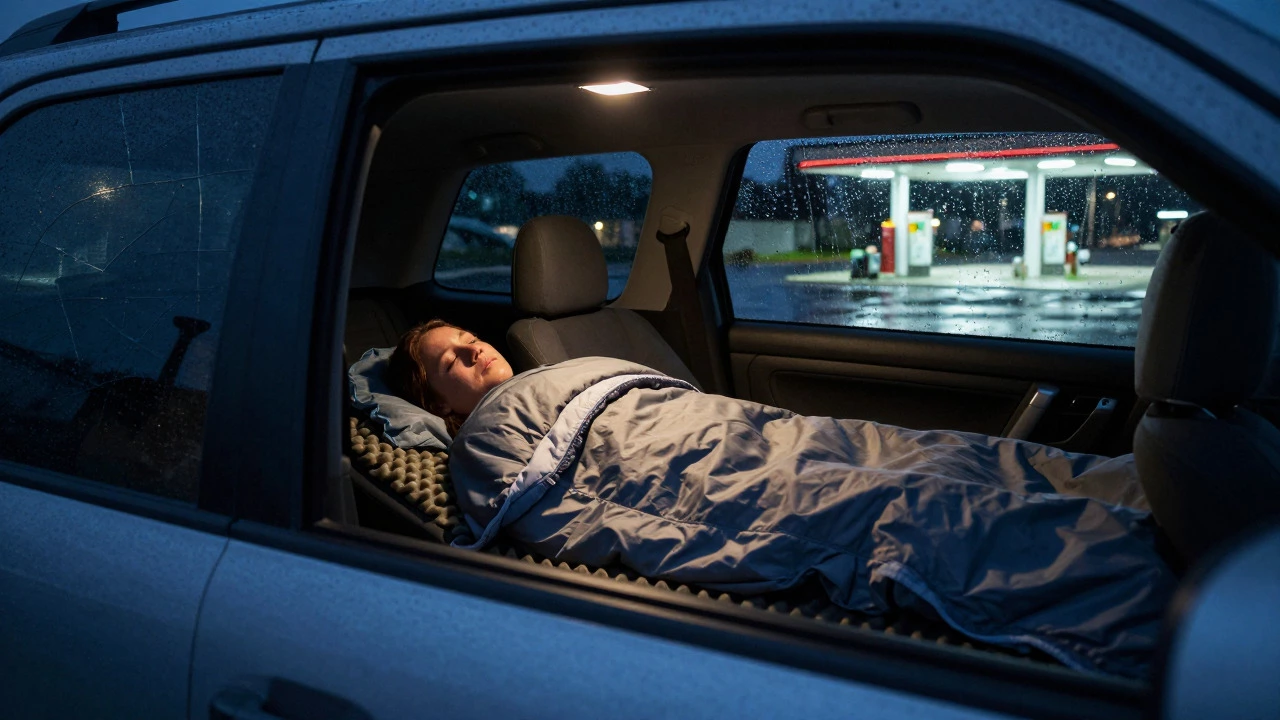
Car Sleeping Safety & Location Calculator
Assess Your Setup
Results & Tips
Select your options and click "Check Safety Score" to see your risk level.
Picture this: it’s 2 AM, the engine is off, and you’re trying to catch some Zs in the driver’s seat. Maybe you’re on a road trip, maybe you’re saving money, or maybe you’re facing housing insecurity. The question isn’t just about comfort-it’s about whether your body can actually handle it.
Sleeping in your car is not inherently bad, but it carries specific risks regarding air quality, physical strain, and legal compliance. If you do it occasionally for adventure, it’s generally safe with preparation. If you do it long-term due to homelessness, it requires a strategic approach to maintain health and avoid legal trouble.
Key Takeaways
- Air Quality: Never sleep with the engine running in an enclosed space due to carbon monoxide poisoning risks. Use cracked windows or solar-powered fans for ventilation.
- Physical Health: Prolonged sleeping in a seated position causes back pain and poor circulation. A flat surface (folded seats) is essential for spinal health.
- Legal Risks: Many cities ban "overnight parking" or "living in vehicles." Know local ordinances to avoid fines or towing.
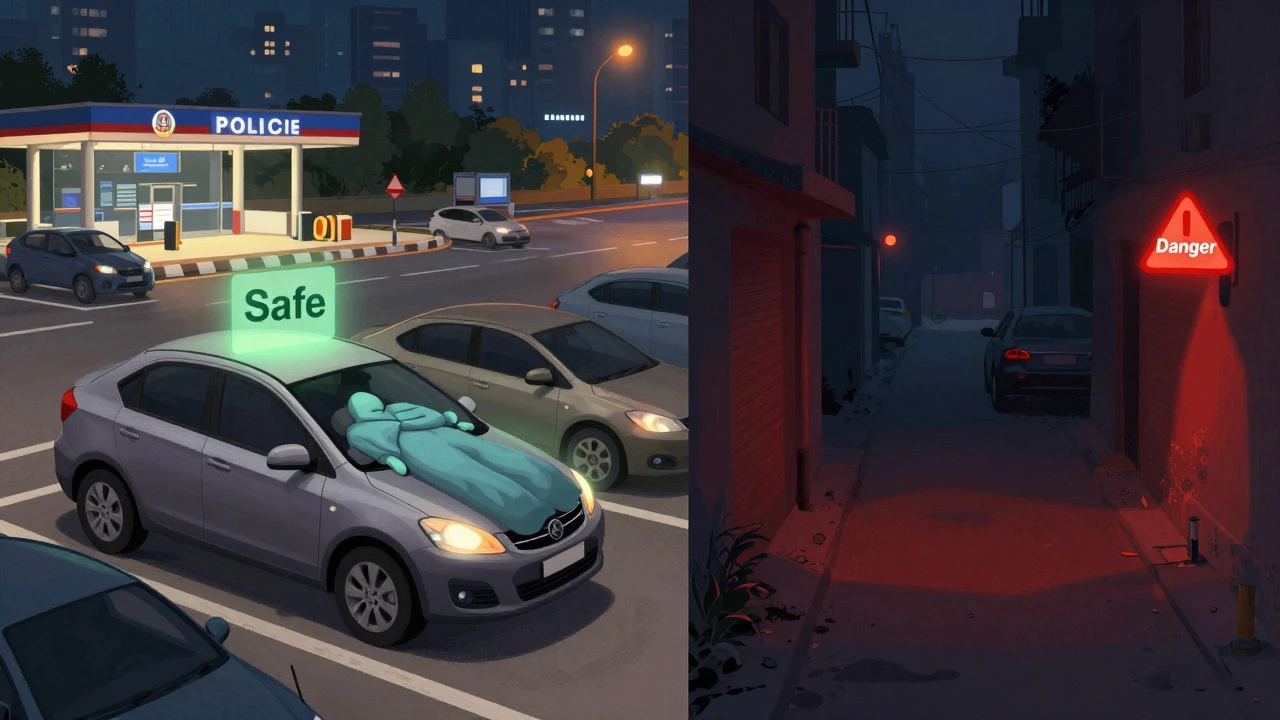
- Safety First: Park in well-lit, high-traffic areas like rest stops or designated car campsites. Avoid isolated spots.
- Alternatives Exist: For long-term needs, connect with homeless shelters or transitional housing programs for better hygiene and security.
The Hidden Danger: Air Quality and Carbon Monoxide
The biggest immediate threat when sleeping in a car isn’t thieves or cold weather-it’s the air you breathe. When you shut the doors, oxygen levels drop, and carbon dioxide rises. This can lead to headaches, dizziness, and poor sleep quality within hours.
If you are using a generator or sleeping with the engine running to stay warm, you risk carbon monoxide poisoning. This gas is odorless and colorless. It binds to hemoglobin in your blood faster than oxygen does, effectively suffocating your cells from the inside out. Even small leaks can be fatal in a sealed vehicle.
To mitigate this:
- Crack the Windows: Leave windows open at least two inches. Use window rain guards if it’s raining to keep water out while letting air flow.
- Use Solar Fans: Clip-on solar fans attach to the window frame and pull fresh air in. They cost around $15-$30 and are worth every penny.
- Never Run the Engine Indoors: If you must use the heater, park outside, crack a window wide, and set a timer if possible. Better yet, invest in a high-quality sleeping bag rated for temperatures lower than expected.
Physical Toll: Why Your Back Will Hate You
Your spine is designed to lie flat. Sleeping in a bucket seat forces your neck into a weird angle and compresses your lower back. Over time, this leads to chronic pain, stiffness, and even nerve compression.
If you plan to sleep in your car regularly, you need to create a flat surface.
- Foldable Seats: Many SUVs and hatchbacks allow rear seats to fold completely flat. If yours don’t, look into aftermarket solutions like inflatable mattress platforms that bridge the gap between the seat back and floor.
- Cushioning: Don’t just throw down a blanket. Use a foam pad or a self-inflating camping mat. It provides insulation from the cold metal floor and pressure relief for your hips.
- Stretch Before Bed: Do five minutes of stretching before lying down. Focus on hamstrings, hips, and neck rolls. This reduces muscle tension and helps you fall asleep faster.
Legal Landscape: Where Can You Actually Sleep?
This is where things get tricky. Just because you *can* fit in your car doesn’t mean you *should* park anywhere. Laws vary wildly by city, state, and country.
In many urban areas, "overnight parking" is banned to prevent loitering. Some towns specifically target people living in vehicles, issuing fines for "camping" or "residing" in cars. These fines can add up quickly, creating a vicious cycle for those already struggling financially.
Here’s how to navigate the legal side:
| Location Type | Typical Rule | Risk Level |
|---|---|---|
| Rest Stops | Often allowed for 8-24 hours (varies by state/country) | Low |
| Walmart Parking Lots | Policy varies by store manager; call ahead | Medium |
| Public Street | Usually banned overnight in residential zones | High |
| 24-Hour Gyms/Fast Food | Tolerated if you buy something; no guarantee | Medium |
| Designated Car Campsites | Paid fee; fully legal and safe | Very Low |
Apps like iOverlander or AllStays help users share real-time info on where they’ve slept safely. Always check local ordinances online before committing to a spot.
Safety Strategies: Protecting Yourself and Your Stuff
When you’re vulnerable, paranoia sets in. That’s normal. But fear shouldn’t dictate your life-strategy should.
Visibility vs. Privacy: There’s a myth that blackout curtains make you safer. In reality, dark cars attract attention. Thieves prefer targets that look empty or abandoned. Keep one interior light on or leave a small gap in your blinds so passersby know someone is inside.
Where to Park:
- Well-Lit Areas: Gas stations, police station parking lots (yes, really), and hospital overflow lots are often safe bets.
- High Traffic: Places with foot traffic during the day deter criminals who want anonymity.
- Escape Routes: Never park in a dead-end alley. Ensure you can drive away quickly if needed.
Valuables: Keep your phone, wallet, and keys on your person, not under the seat. Use a small lockbox hidden in the trunk for extra cash or documents. Consider a steering wheel lock as a visual deterrent against theft.
Long-Term Solutions: Beyond the Car
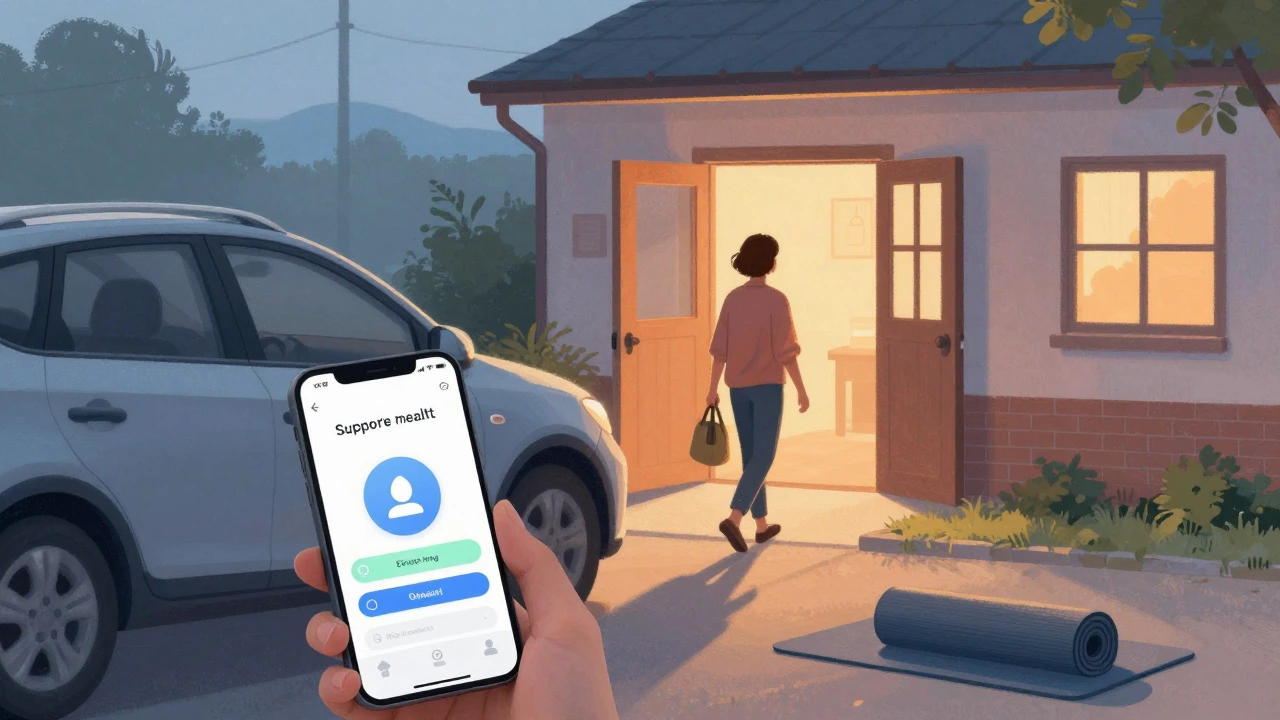
If you’re sleeping in your car more than a few nights a week, it’s time to look at broader options. Car living is unsustainable for hygiene, mental health, and social connection.
Homeless shelters provide more than just a bed. They offer showers, laundry facilities, case management, and connections to job resources. Yes, they can feel chaotic or restrictive, but they reset your baseline.
Other alternatives include:
- Transitional Housing: Short-term apartments with support services. Often funded by government grants or charities.
- Sober Living Homes: If substance use is a factor, these provide structured environments with peer support.
- Work Exchange Programs: Platforms like Workaway or WWOOF let you trade labor for accommodation. Great for short-term breaks from car life.
Contact local social service agencies. In Sydney, organizations like Salvation Army or Red Cross have intake specialists who can assess your situation and direct you to available beds or vouchers. Don’t wait until you’re exhausted-reach out early.
Mental Health: The Invisible Struggle
Sleeping in a car isolates you. You miss out on casual conversations, community events, and the simple joy of having a door that locks from the inside. This isolation breeds anxiety and depression.
Combat this by:
- Maintaining Routine: Wake up and go to bed at consistent times. Structure creates stability.
- Connecting Online: Join Facebook groups or Reddit communities for van lifers or car campers. Sharing experiences reduces stigma.
- Free Therapy Resources: Many cities offer free counseling sessions through community health centers. Mental health is just as important as physical health.
Remember: sleeping in your car is a circumstance, not an identity. It doesn’t define your worth or your future.
Can I get carbon monoxide poisoning from sleeping in my car with the windows closed?
Yes, if the engine is running. Even with windows slightly open, exhaust fumes can seep in. If the engine is off, the risk is low, but stale air buildup can cause headaches. Always ensure ventilation.
Is it illegal to sleep in your car in public parking lots?
It depends on local laws. Many cities prohibit "overnight parking" or "dwelling" in vehicles. Rest stops and some private businesses (like Walmart) may allow it, but always check signage and call ahead to confirm.
How do I stay warm in my car without running the engine?
Use layers: thermal base layers, wool socks, and a hat. Invest in a sleeping bag rated for below-freezing temperatures. Place cardboard or foam mats under your sleeping area to insulate from the cold floor. Chemical hand warmers can also provide localized heat.
What are the best places to sleep in a car safely?
Designated car campgrounds, highway rest areas (where permitted), and well-lit 24-hour locations like gyms or fast-food restaurants are safest. Avoid isolated roads or poorly lit alleys.
Should I use blackout curtains when sleeping in my car?
Use them strategically. Total darkness makes your car look abandoned, attracting thieves. Leave a small gap or use dim lighting to signal occupancy. Reflective window shades work well for daytime privacy without total blackout at night.