Emergency Shelter: What It Is, Who Needs It, and How to Get Help
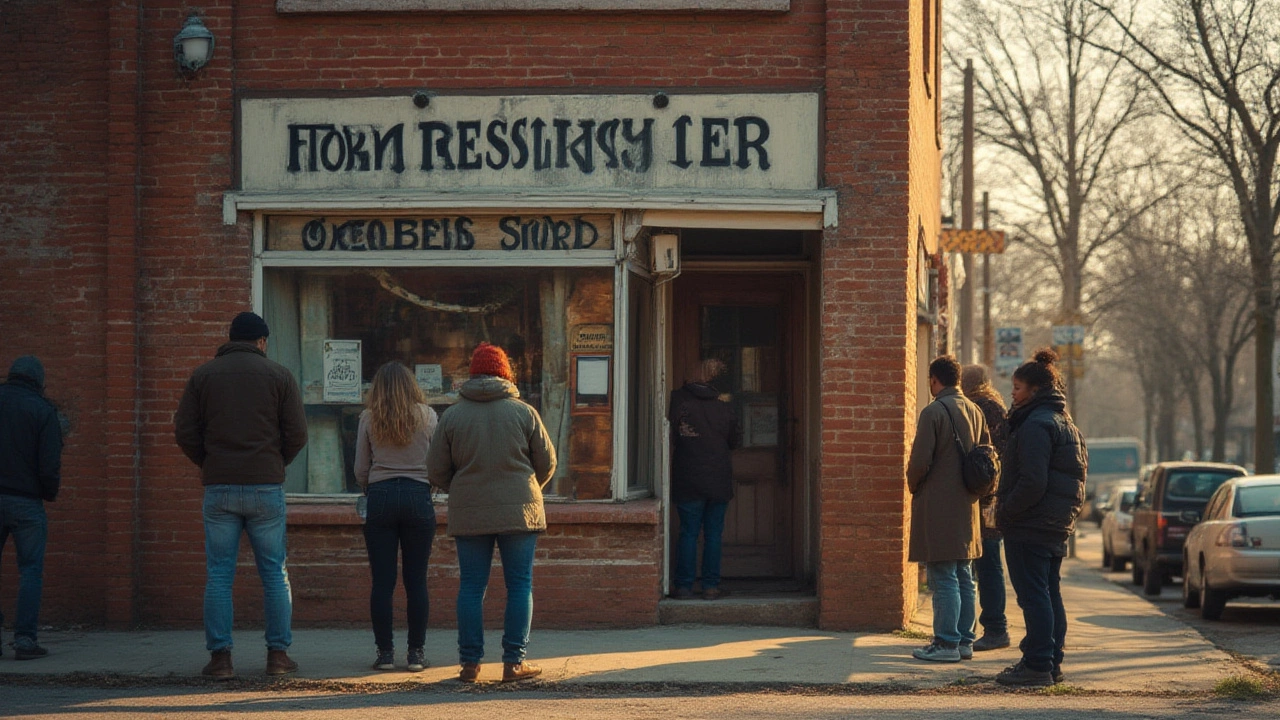
When someone loses their home, an emergency shelter, a temporary safe place for people without housing, often run by nonprofits or local governments. Also known as homeless shelter, it’s not just a bed—it’s a lifeline that offers food, security, and access to services like counseling and job help. These shelters aren’t just for people sleeping on the street. They serve parents with kids, veterans, teens aging out of foster care, and people fleeing abuse. Many stay just a few nights. Others need weeks or months while they wait for permanent housing.
Rapid re-housing, a program that helps people move out of shelters quickly by covering rent, deposits, and case management. Also known as housing assistance, it’s one of the most effective ways to end homelessness. Unlike long-term shelters, rapid re-housing gets people into apartments faster—with support to stay there. It’s not charity. It’s cost-effective. Studies show it saves cities money by reducing ER visits, jail stays, and repeated shelter use. And it works: in Arkansas, programs like Start Smart help youth get housing, education, and mental health care with a 78% success rate.
But shelters aren’t the same everywhere. In Texas, state funding supports dozens of local programs. In Virginia, seniors get free meals delivered to their doors. Some places let you sleep in your car legally; others fine you. Knowing your rights matters. If you’re stuck in a shelter, ask about case managers—they can help you apply for food stamps, Medicaid, or rental aid. No perfect credit? No job? That’s okay. Most programs don’t require either.
And it’s not just about beds. Emergency shelters connect people to housing support, a broad category that includes vouchers, transitional housing, and legal help against eviction. They’re often the first step before someone can get back on their feet. Volunteers, churches, and local nonprofits run many of these programs. They don’t get much attention—but they change lives every day.
What you’ll find below are real guides on how to access these services—whether you’re looking for help for yourself, a friend, or your community. From how to qualify for rapid re-housing, to what food programs exist for seniors, to which states ban sleeping in your car—this collection cuts through the noise. No fluff. No jargon. Just what works.