Homelessness Composition Calculator
Calculate Hidden Homelessness
Enter the official homeless count (from HUD data) to see the estimated total population including hidden homelessness.
Results
• Hidden homelessness (couch-surfing) isn't counted in official statistics
• Data based on 2024 HUD counts and National Coalition for the Homeless estimates
• Total population = Counted homeless / (1 - Hidden %)
When you think of homelessness, you might picture someone sleeping on a sidewalk, under a bridge, or in a doorway. But that’s only part of the story. In 2025, less than half of all homeless people in the U.S. are living on the streets. Most are staying somewhere - just not in a home they own or rent. The real question isn’t just where they live, but how they survive when housing feels impossible.
Shelters Are the Most Common Place - But Not for Everyone
In 2024, the U.S. Department of Housing and Urban Development (HUD) counted 653,104 people experiencing homelessness on a single night. Of those, 257,000 were staying in emergency shelters or transitional housing. That’s about 39%. Shelters are the most organized response we have, but they’re not enough.
Emergency shelters run by nonprofits and local governments offer beds, meals, and sometimes case management. But they’re often full. In cities like Los Angeles, New York, and Seattle, waitlists for shelter beds can stretch for weeks. Many people avoid shelters because of strict rules - no pets, no couples, curfews, or mandatory drug testing. Others fear violence or theft. A 2023 study from the National Coalition for the Homeless found that 42% of unsheltered individuals said they chose the street because shelters felt unsafe or degrading.
Unsheltered Homelessness Is Growing in Cities
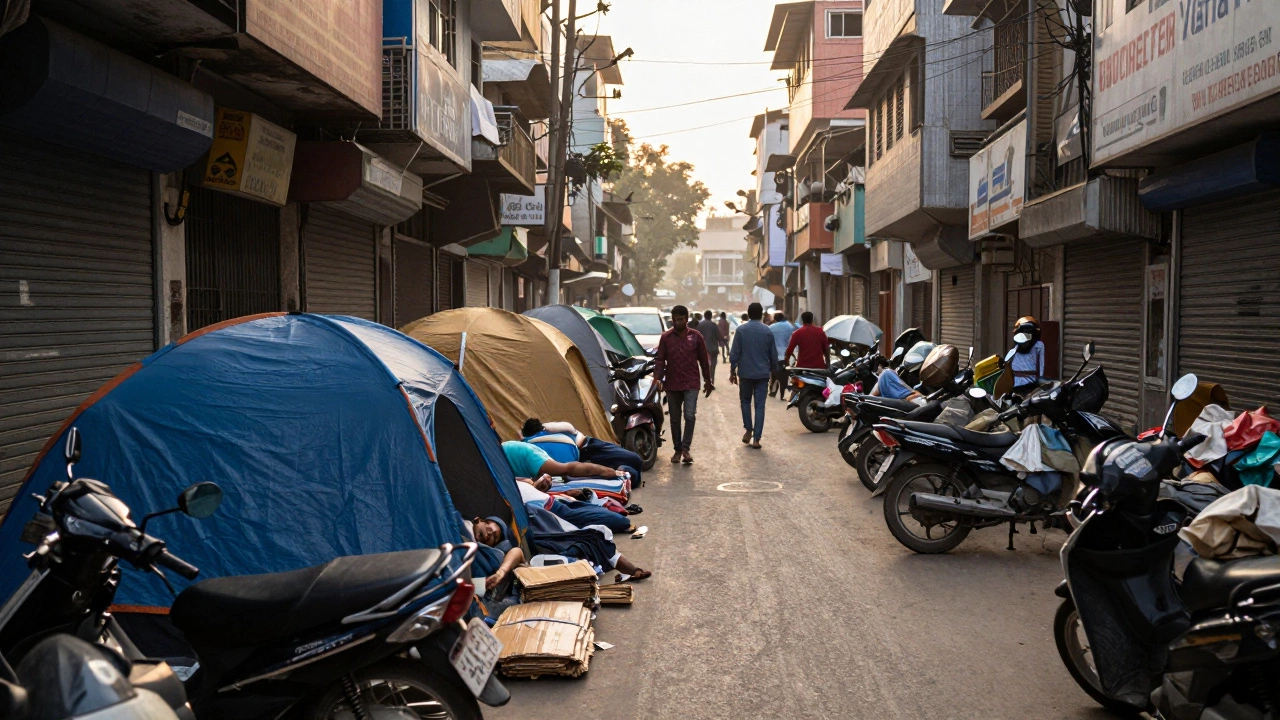
About 396,000 people - nearly 61% - were living in places not meant for human habitation. That means cars, tents, abandoned buildings, parks, and bus stations. This number has climbed 12% since 2020. The biggest increases are in California, Oregon, Washington, and Florida.
In Los Angeles County alone, over 75,000 people were homeless in 2024. More than half of them lived outside - in tents lining alleyways, parked RVs near freeway ramps, or under highway overpasses. The city has spent billions on outreach and housing, but the gap keeps widening. Why? Housing costs have outpaced wages by over 40% in the last decade. A full-time worker earning minimum wage in L.A. would need to work 112 hours a week to afford a one-bedroom apartment.
Hidden Homelessness: The Overlooked Majority
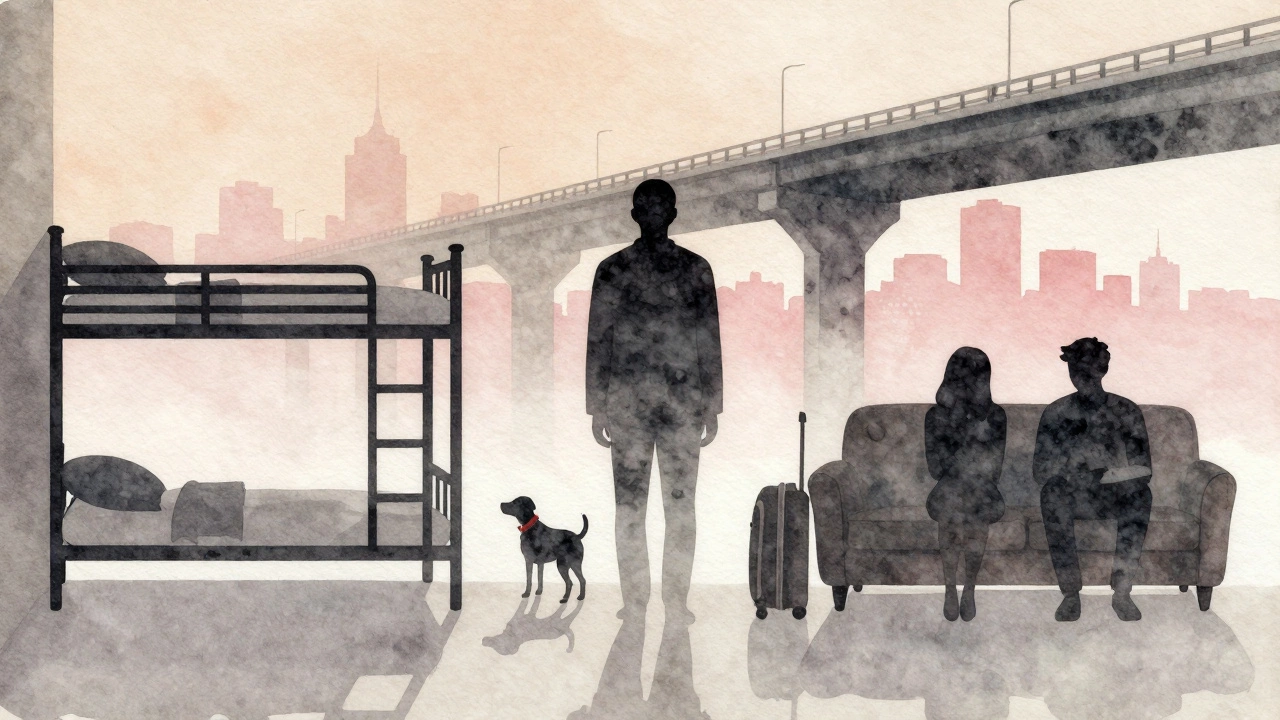
There’s another group no one talks about: people who are homeless but not counted. These are the ones couch-surfing - staying with friends, family, or acquaintances because they have nowhere else to go. HUD doesn’t track them in its official counts because they’re not technically “unsheltered.” But experts estimate they make up 30% to 40% of the total homeless population.
Think of a teenager who got kicked out after coming out to their parents. A single mom who lost her job and is sleeping on her sister’s couch. A veteran who can’t afford rent after being discharged. These people aren’t on the street, but they’re not safe or stable either. They move every few days. They skip meals to avoid being a burden. They don’t ask for help because they’re ashamed.
One 2024 survey by the Urban Institute found that 68% of people staying with others had been homeless for over six months. They’re invisible to the system, but they’re just as desperate.
Why Do Some People Choose to Live Outside?
It’s not because they don’t want help. It’s because the help doesn’t work for them.
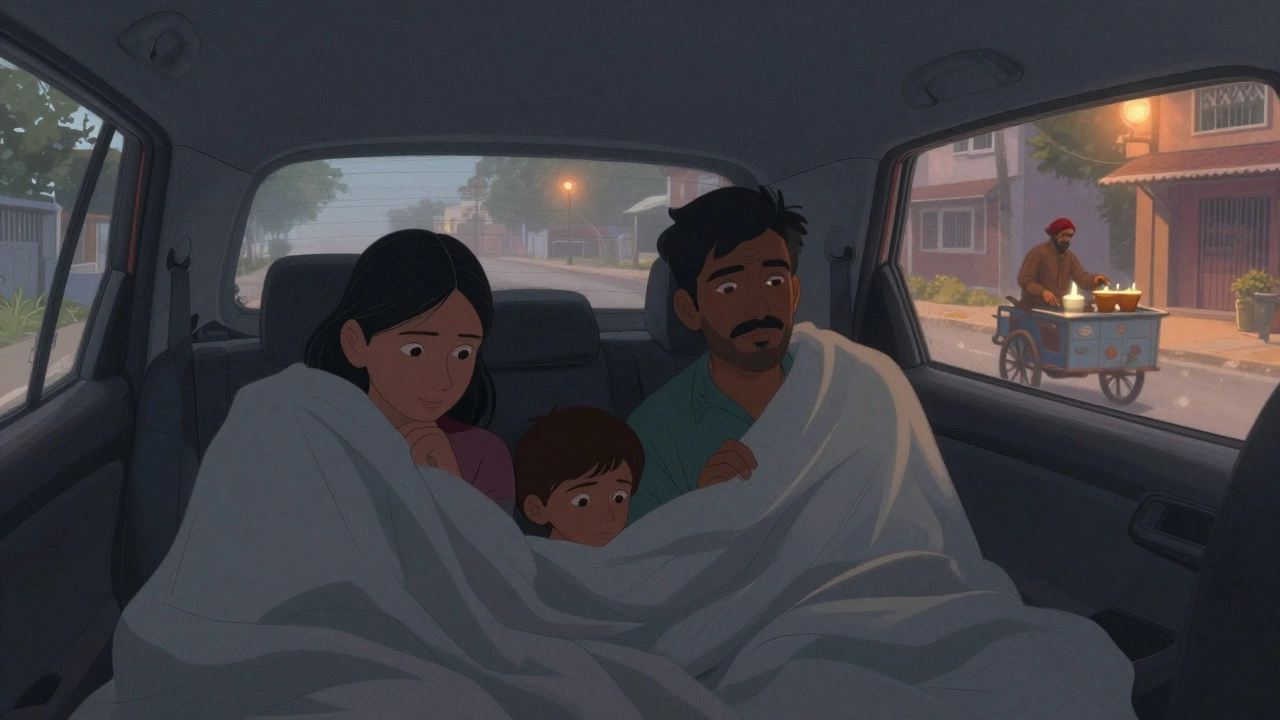
Shelters often separate families. Couples are split into male and female dorms. Parents can’t bring kids into adult shelters in many cities. People with pets are turned away - even service animals. One woman in Portland told a reporter she’d rather sleep in her car with her dog than give up her only companion.
Others avoid shelters because of trauma. Many homeless people have histories of abuse, military combat, or mental illness. A crowded, noisy shelter can trigger panic attacks. Some have been assaulted in shelters before. One man in Chicago said he’d rather freeze outside than risk being stabbed again.
And then there’s the stigma. People who’ve lived on the streets for years learn to protect themselves. They don’t trust systems that have failed them before. They’ve been told to “get a job” or “stop using drugs,” but no one offered them a path out.
Where Do You Find the Highest Concentrations?
Homelessness isn’t evenly spread. It’s concentrated in a few urban areas with high costs and weak safety nets.
California has the highest number - over 180,000 people. That’s nearly 30% of the national total. San Francisco, Los Angeles, and San Diego account for half of that. New York City has the second-highest count, with over 70,000 people. But when you look at population size, Washington, D.C., has the highest rate - 78 homeless people per 10,000 residents.
Smaller cities are catching up. Phoenix, Austin, and Orlando have seen 20-30% increases in homelessness since 2022. Why? Rising rents, lack of affordable housing, and cuts to mental health services. In Florida, laws banning sleeping in public spaces have pushed people into the woods or under bridges - out of sight, but still there.
What’s Missing From the Picture?
The data we have is incomplete. Counting homeless people is hard. Some are hidden. Some are mobile. Some avoid officials out of fear. Many counts happen on a single night in January - a cold, rainy night when people are less likely to be outside. That means the real number is likely higher.
Also, most data focuses on adults. Children and teens are undercounted. The National Association for the Education of Homeless Children and Youth estimates over 1.3 million public school students were homeless in 2023. They live in motels, doubled up with relatives, or in shelters. But they’re not in HUD’s numbers.
And what about rural homelessness? It’s rarely reported. In places like Mississippi or West Virginia, people live in trailers with no running water, sleep in barns, or drive between towns looking for work. No shelters. No services. Just silence.
It’s Not About Laziness - It’s About Systems That Broke
Homelessness isn’t caused by bad choices. It’s caused by broken systems.
People become homeless because they lost a job and couldn’t pay rent. Because they were evicted after a medical emergency. Because their mental illness went untreated. Because they got kicked out of foster care at 18 with no support. Because domestic violence left them with nowhere to go.
And when they do try to get help, they hit walls: long waitlists for housing vouchers, lack of childcare, transportation issues, or bureaucracy that doesn’t understand their trauma.
The solution isn’t more shelters. It’s more housing - and faster. Programs like Housing First, which gives people homes without requiring sobriety or job readiness, have shown success. In Utah, the program cut chronic homelessness by 91% between 2005 and 2015. In Houston, it reduced homelessness by 63% in a decade.
But these programs need funding, political will, and public support. Right now, we’re spending billions on police, emergency rooms, and jails to manage homelessness. We’re not spending enough to end it.
What Happens When You Can’t Go Home?
Living without a home changes you. Your health declines. You lose access to clean water, showers, or medicine. You’re more likely to get sick, injured, or assaulted. Your chances of finding a job drop sharply - employers don’t call back if you don’t have an address.
Children miss school. Parents skip meals. People stop believing things will get better.
But change is possible. Cities that invest in permanent housing, mental health services, and tenant protections see results. Communities that treat homeless people with dignity - not as problems to move - see fewer people on the streets.
Homelessness isn’t inevitable. It’s a policy failure. And like any policy failure, it can be fixed - if we choose to act.