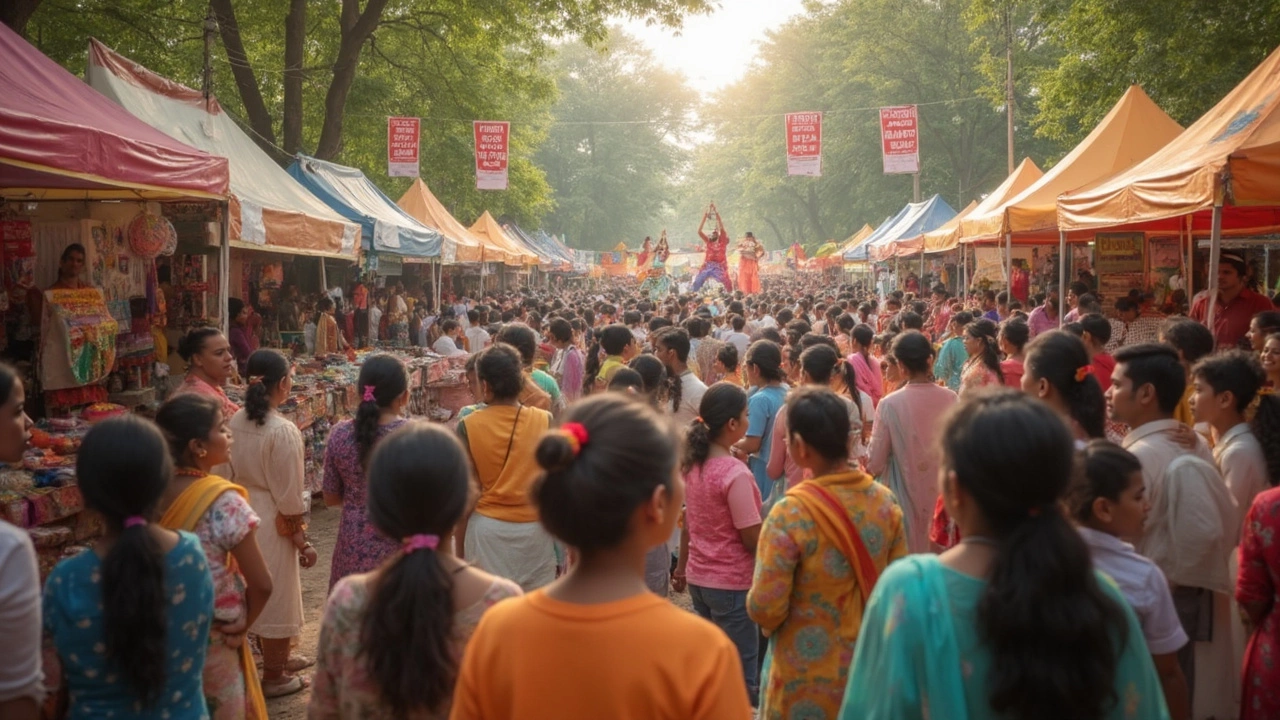
Free Event: How to Plan, Promote, and Make It Matter
When you organize a free event, a gathering open to the public with no cost to attend, often used to raise awareness, support a cause, or build community. Also known as a community gathering, it’s one of the most powerful tools for turning interest into action. A free event isn’t just about handing out snacks or setting up a table. It’s about creating space—where people connect, where needs are met, and where change starts. Think of the Senior Food Program in Virginia handing out hot meals, or the Start Smart Program in Arkansas helping homeless youth find housing and jobs. These aren’t just services—they’re events that rebuild trust, one person at a time.
What makes a free event stick? It’s not the banner or the balloons. It’s the community outreach, the intentional effort to reach people where they are, with clear purpose and plain language. Also known as public engagement, it’s what turns strangers into supporters. If you’re running a fundraiser, your event needs more than a donation jar—it needs roles. Someone to greet people. Someone to explain the cause. Someone to follow up. The same people who volunteer at a school club or lead a food bank aren’t just giving time—they’re building systems. And those systems? They’re built on clear communication, not buzzwords. That’s why alternatives like "door-to-door canvassing" or "neighborhood connection" work better than vague terms like "outreach." People don’t respond to jargon. They respond to honesty.
Free events work best when they solve a real problem. A charity event that lasts too long burns out volunteers. A school club event that doesn’t explain why it matters won’t grow. The most successful free events—like the ones that raised thousands without burning anyone out—have three things: a tight timeline, a clear goal, and people who know exactly what to do. You don’t need a big budget. You need a plan. You need to know who you’re serving. And you need to make it easy for others to help.
Below, you’ll find real guides from people who’ve done this. How long should a fundraiser last? What roles actually matter? What’s the best way to get people to show up? You’ll find answers that don’t sound like marketing fluff. Just straight talk from those who’ve been there—whether they’re running a food drive in Arkansas, organizing a Wacky Day at school, or helping homeless youth in Texas. These aren’t theory pieces. They’re field reports. And they’re all built around one idea: if you want to make a difference, start with a free event that actually works.