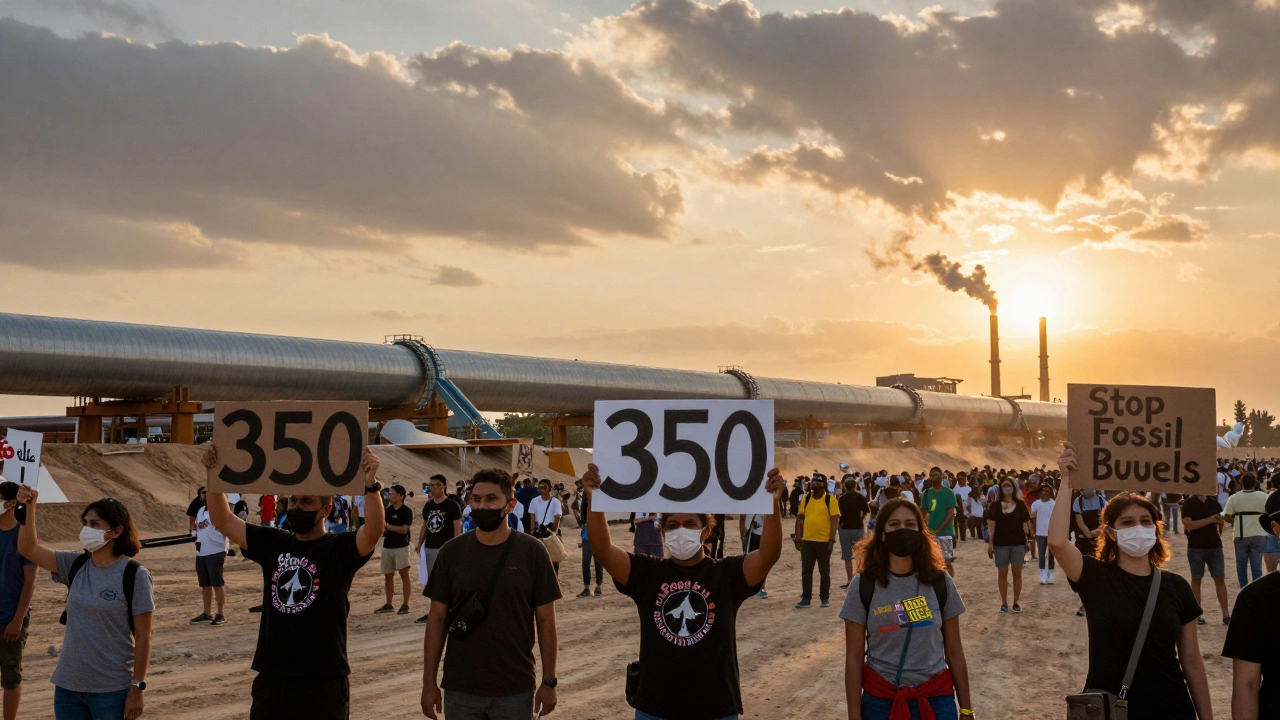
When you think about clean air, protected forests, or rivers free from industrial waste, chances are someone fought for it. In the United States, environmental interest groups have been shaping policy, changing laws, and mobilizing millions for over a century. These aren’t just nonprofits with fancy websites-they’re powerful forces that have stopped pipelines, saved endangered species, and forced corporations to clean up their act. But who are they? And what do they actually do?
Sierra Club: The Original Environmental Powerhouse
Founded in 1892 by John Muir, the Sierra Club is the oldest and one of the largest environmental organizations in the U.S. With over 3.8 million members and supporters, it operates like a grassroots army. The group doesn’t just lobby Congress-it organizes hikes, trains volunteers to speak at public hearings, and files lawsuits when needed. In 2023, they played a key role in blocking 14 new fossil fuel projects across the West. Their focus? Protecting public lands, pushing for renewable energy, and defending the Clean Air Act. They’re not flashy, but they’re consistent. If you’ve ever walked through a national park without seeing a mine or a drilling rig, thank the Sierra Club.
National Resources Defense Council (NRDC): The Legal Engine
Where Sierra Club marches, NRDC sues. Founded in 1970, the NRDC is a science-driven legal powerhouse. They have a team of over 500 scientists, lawyers, and policy experts who take on polluters in court. In 2022, they won a major case forcing the EPA to tighten mercury limits in power plant emissions-a rule that now protects over 100 million Americans from neurotoxic pollution. Their work isn’t limited to air and water. They’ve also fought to ban toxic chemicals in children’s toys, protected marine habitats from offshore drilling, and pushed for energy efficiency standards that cut carbon emissions by over 1 billion tons since 2000. If you want to know how environmental laws get enforced, look at NRDC’s courtroom victories.
Environmental Defense Fund (EDF): The Business-Friendly Activist
EDF stands out because they don’t see corporations as the enemy-they see them as partners. Founded in 1967, EDF uses market-based solutions to fix environmental problems. Instead of just protesting oil companies, they work with them to reduce methane leaks. Their work helped create the U.S. cap-and-trade program for sulfur dioxide, which cut acid rain by 90% in 20 years. In 2024, they partnered with Walmart to eliminate single-use plastics from 10,000 stores. They also helped design the EPA’s methane regulations under the Inflation Reduction Act. EDF proves you don’t have to choose between the economy and the environment-you can fix both at once.
350.org: The Climate Movement’s Organizer
If you’ve seen a protest with thousands holding signs that say “350,” that’s 350.org. Named after the safe level of carbon dioxide in the atmosphere (350 parts per million), this group started in 2008 as a grassroots campaign and grew into the largest climate movement in history. They don’t have a big headquarters or a huge staff. Instead, they rely on local chapters in every state. In 2021, they helped organize the largest climate strike in U.S. history, with over 500,000 people marching in 150 cities. Their focus is simple: stop new fossil fuel projects and push for 100% clean energy by 2030. They’ve blocked over 300 coal plants and pressured banks to stop funding tar sands pipelines. 350.org doesn’t wait for politicians-they build pressure from the ground up.

The Nature Conservancy: Land Protector with Deep Pockets
The Nature Conservancy is the largest environmental land trust in the world. Since 1951, they’ve protected over 125 million acres of land and thousands of miles of rivers across 79 countries. In the U.S., they own or manage 1,500 nature preserves-from the Florida Everglades to the Rocky Mountains. Their approach? Buy land, restore ecosystems, and work with farmers and ranchers to protect water sources. In 2023, they invested $1.2 billion in conservation projects, including restoring wetlands that filter pollution and planting 10 million trees in drought-prone areas. Unlike some groups, they avoid political fights. Instead, they focus on science and partnerships. If you’ve ever visited a quiet forest trail or a restored prairie, it might be thanks to them.
Center for Biological Diversity: The Underdog Fighter
Smaller but fiercer, the Center for Biological Diversity has made a name for itself by suing to save endangered species. Founded in 1989, they’ve filed over 1,500 lawsuits to protect wolves, polar bears, sea turtles, and even tiny desert fish. In 2023, their legal action forced the U.S. Fish and Wildlife Service to list 117 new species as endangered-more than any other group in history. They also expose government corruption, like when they uncovered that the Department of Interior had secretly approved oil drilling in protected habitats. Their staff is lean, but their impact is huge. They don’t need millions of members-they just need one judge who listens.
League of Conservation Voters: The Political Scorecard
Most environmental groups focus on nature. The League of Conservation Voters (LCV) focuses on politicians. Since 1970, they’ve been rating every member of Congress on their environmental votes. Their annual scorecard is a bible for voters who care about climate policy. In 2024, they spent $120 million supporting candidates who backed clean energy and opposing those who denied climate science. They helped elect 14 new climate-focused lawmakers in the midterms. LCV doesn’t just tell you who’s good-they give you a way to act. If you want to change environmental policy, start by changing who’s in office.

Environmental Justice Groups: The Voices Left Out
Not all environmental groups fight for forests and polar bears. Many focus on people-especially those living near factories, landfills, and highways. Groups like the Environmental Justice Health Alliance and the Greenlining Institute work in communities where asthma rates are high, tap water is contaminated, and schools sit next to diesel bus depots. In 2023, the EPA awarded $1.2 billion in grants to these groups to clean up pollution in low-income neighborhoods. They pushed for the Justice40 Initiative, which promises that 40% of federal climate investments go to disadvantaged communities. Their message is simple: clean air isn’t a luxury-it’s a right.
How These Groups Work Together
These organizations don’t operate in silos. They form coalitions. When the Keystone XL pipeline was being built, Sierra Club, 350.org, NRDC, and Indigenous groups teamed up to protest, sue, and lobby. When the Inflation Reduction Act passed in 2022, EDF, NRDC, and LCV all helped draft the climate provisions. Even groups with different tactics-lawsuits, protests, land buys-know they need each other. One group files a lawsuit. Another organizes public pressure. A third lobbies lawmakers. Together, they create a system no single polluter can ignore.
What You Can Do
You don’t need to join a big group to make a difference. Start local. Attend a city council meeting and ask about air quality near your school. Volunteer with a group that plants trees or cleans rivers. Donate even $5 a month to a group that’s suing a polluter. Sign up for alerts from the League of Conservation Voters and vote based on their scorecards. Environmental progress doesn’t come from one hero-it comes from thousands of small actions adding up.
Are environmental groups in the U.S. politically biased?
Many environmental groups are seen as liberal because they support regulations that big corporations often oppose. But their work isn’t about party lines-it’s about science. Groups like the Environmental Defense Fund work with Republicans on market-based solutions. The Sierra Club has supported conservative candidates who back clean energy in their districts. The real divide isn’t political-it’s between those who prioritize long-term health and those who prioritize short-term profits.
Do these groups actually get results?
Yes. Since 1970, the Clean Air Act-pushed by environmental groups-has reduced six major pollutants by 80%, even as the economy grew by 290%. The U.S. has cut its carbon emissions by 14% since 2005, mostly due to renewable energy policies these groups fought for. Over 1,000 species have been saved from extinction thanks to legal protections they secured. These aren’t just feel-good stories-they’re measurable wins backed by data.
How are environmental groups funded?
Most rely on individual donations. The Sierra Club gets 95% of its funding from members. NRDC and EDF receive grants from foundations like the Rockefeller and Hewlett Foundations. Some get money from corporations that want to appear green-but reputable groups have strict rules to avoid conflicts. A few, like The Nature Conservancy, also earn money from land sales or conservation bonds. Transparency is key: every major group publishes its annual financial report online.
Can small local groups make a difference?
Absolutely. In 2023, a group of residents in East Chicago stopped a toxic waste dump from being built near a school by organizing petitions, media coverage, and legal help from the Center for Biological Diversity. In rural Kentucky, a small group convinced a power company to switch from coal to solar after a year of community meetings. Local action creates national momentum. You don’t need a big budget-you just need persistence.
What’s the biggest challenge these groups face today?
Political polarization. While public support for clean air and water remains high (over 70% of Americans support strong environmental laws), lawmakers in some states are rolling back protections. Groups are also fighting misinformation-like claims that renewable energy can’t power the grid. And funding is harder to secure as inflation rises and donors face economic pressure. But the biggest threat isn’t politics-it’s apathy. When people think their vote or donation doesn’t matter, the system wins.
Next Steps: Where to Learn More
If you want to get involved, start by visiting the websites of the groups mentioned. Most offer free newsletters, volunteer sign-ups, and action alerts. You can also check out the Environmental Defense Fund’s “Climate Solutions” page or the Sierra Club’s “Take Action” portal. For data-driven insights, read the NRDC’s annual “State of the Environment” report. And don’t overlook local groups-your county likely has a chapter of a national organization or a grassroots group fighting a specific issue. The environment isn’t just something far away. It’s your backyard, your water, your air. Protecting it starts with knowing who’s already fighting for it.