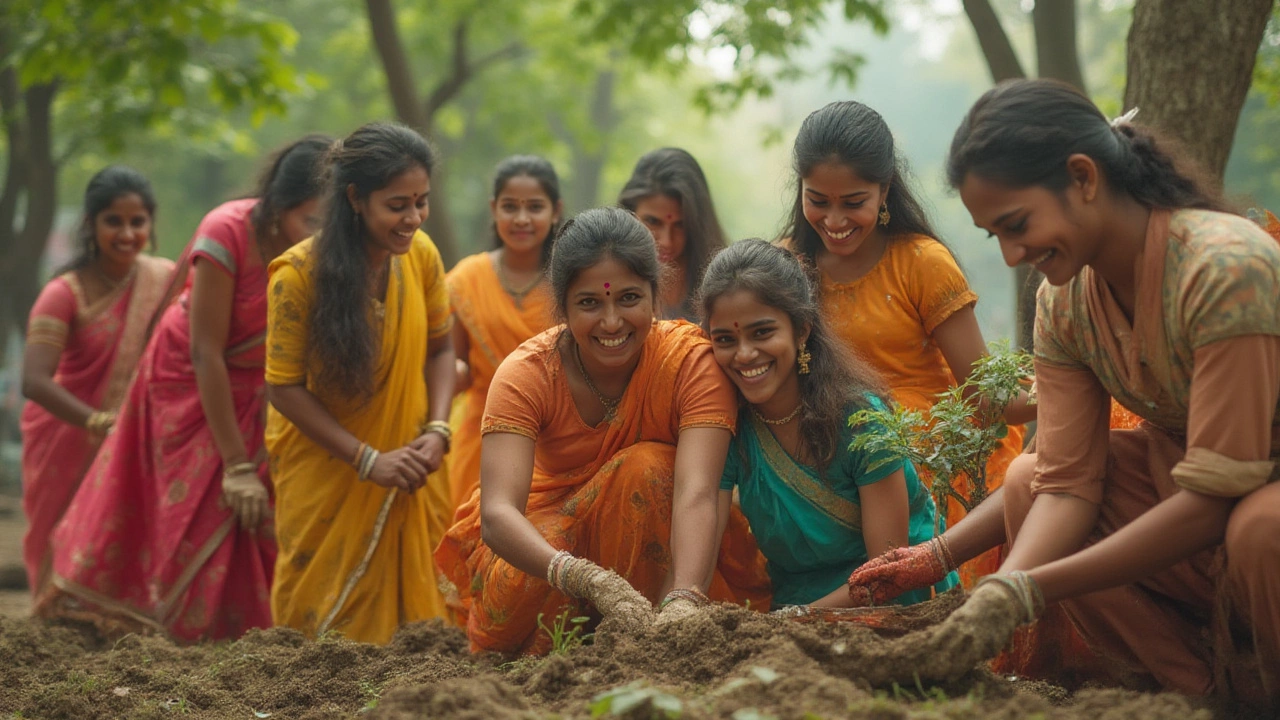
Which Gender Volunteers the Most? Surprising Facts and Insights
Explore if women or men volunteer more, discover why, and learn what drives different genders to give back. In-depth analysis and tips inside!
Read MoreWhen we talk about gender difference, the observed variations in behaviors, roles, and opportunities between people identified as male, female, or other genders. Also known as gender disparity, it’s not just about biology—it’s shaped by culture, policy, and who gets heard in community spaces. Too often, people assume gender difference means one group is better suited for certain tasks—like men leading projects or women handling logistics. But real data shows it’s usually about access, not ability.
Take gender roles, socially constructed expectations about how people of a certain gender should act or contribute. Also known as traditional gender norms, these often dictate who volunteers for cleaning, who speaks at meetings, or who gets assigned to door-to-door outreach. In many community programs, women do 70% of the unpaid labor—planning events, managing food drives, comforting participants—but rarely get credited as leaders. Meanwhile, men are more likely to be invited to speak at conferences or appear in promotional materials, even when their role is smaller. This isn’t coincidence. It’s a pattern.
And it’s not just about visibility. gender equity, the fair treatment of all genders by addressing their different needs and barriers to participation. Also known as fair access, it’s what turns good intentions into real results. A food bank that assumes all seniors need help with groceries might miss that single mothers are skipping meals to feed their kids. A fundraiser that only targets corporate donors might overlook women who raise money through neighborhood bake sales. These aren’t minor gaps—they’re systemic blind spots.
What you’ll find in these posts isn’t theory. It’s what happens on the ground: who gets left out of outreach teams, why some programs fail to retain female volunteers, how language like "community outreach" can quietly favor certain groups, and what simple changes make programs work better for everyone. You’ll see how the same tools used to build food programs or run charity events can either reinforce old biases—or break them.
This isn’t about assigning blame. It’s about seeing clearly. When you understand how gender difference actually plays out in community work—where it helps, where it hurts, and where it’s just noise—you start making decisions that reach further, last longer, and actually include the people who need it most.
Explore if women or men volunteer more, discover why, and learn what drives different genders to give back. In-depth analysis and tips inside!
Read More