Youth Organization Finder
Find Your Perfect Match
Discover youth organizations based on your interests and location. Select your interests below to see matching opportunities.
No location needed—many organizations are virtual or have national reach
Matching Organizations
Select at least one interest to see matching organizations
When you think of youth organizations, you might picture kids in uniforms handing out flyers or playing sports on weekends. But today’s youth organizations do way more than that. They’re training future leaders, fighting for climate justice, teaching coding to kids in rural towns, and even running food drives for their own neighborhoods. These aren’t just after-school clubs-they’re real engines of change, run by young people, for young people.
Boy Scouts and Girl Scouts
One of the oldest and most recognizable youth organizations in the world, the Boy Scouts and Girl Scouts have been around for over a century. In the U.S., Girl Scouts alone has over 1.7 million members, and it’s not just about earning badges anymore. Today’s Girl Scouts run businesses, design apps, and campaign for gender equity in STEM. The Boy Scouts, now called Scouts BSA, opened its doors to girls in 2019 and has since expanded its focus to include mental health awareness, financial literacy, and environmental stewardship. These aren’t just outdoor camps-they’re leadership boot camps disguised as camping trips.
4-H Clubs
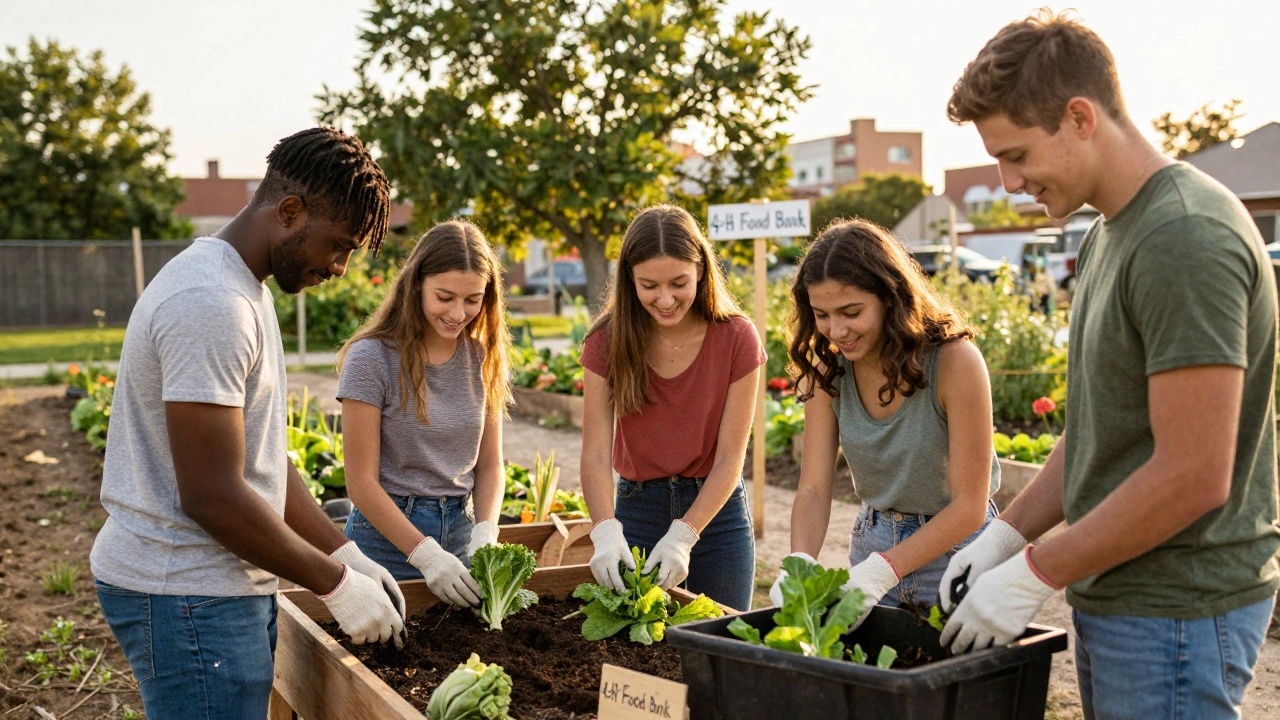
Started in the early 1900s to teach rural kids agriculture, 4-H has grown into a nationwide network with over 6 million members in the U.S. and Canada. The name stands for Head, Heart, Hands, and Health-and that’s exactly what they build. Kids learn to raise livestock, grow vegetables, build robots, and even record podcasts. In rural Ohio, a 14-year-old member started a 4-H food bank that now serves 300 families. In Oregon, teens use 4-H’s digital media program to create short films about mental health. It’s hands-on learning that doesn’t just teach skills-it builds confidence.
Youth for Climate Action
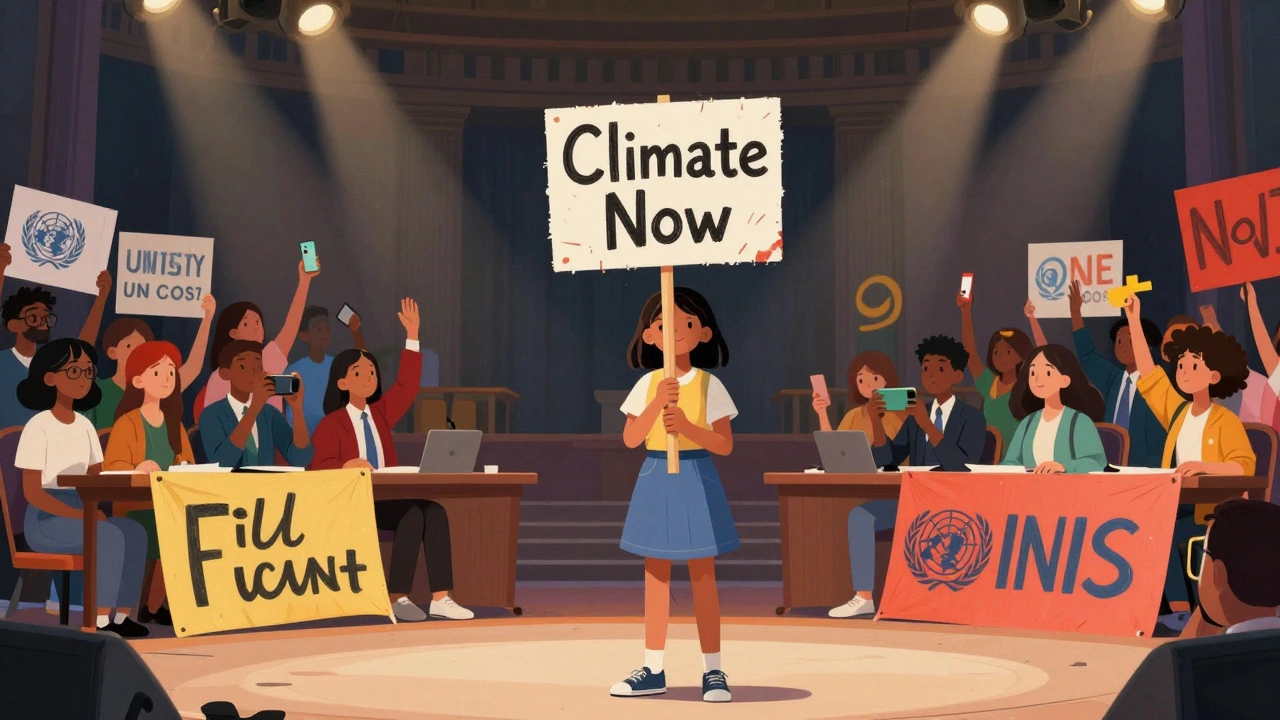
Founded by teenagers in 2018, Youth for Climate Action is now a global movement with chapters in over 60 countries. It started with a single protest in Sydney, Australia, led by a 16-year-old student. Today, it organizes school strikes, lobbies city councils, and trains young people to speak at United Nations climate summits. In Brazil, members helped pass a state law requiring schools to teach climate science. In Kenya, youth groups planted over 500,000 trees using funds raised through TikTok campaigns. This isn’t activism for show-it’s policy-shaping, real-world organizing.
Big Brothers Big Sisters
Big Brothers Big Sisters isn’t a club you join-it’s a relationship you’re matched into. For over 100 years, it’s paired kids aged 6 to 18 with adult mentors who spend time with them once a week. No lectures. No curriculum. Just walks, pizza, homework help, and listening. Studies show kids in the program are 46% less likely to start using drugs and 27% more likely to enroll in college. In Detroit, a Big Sister helped her Little Sister turn her love of sewing into a small business selling handmade bags. In Winnipeg, a Big Brother taught his Little Brother how to fix bikes-and now they run a free repair shop for low-income families.
Junior Achievement
Junior Achievement (JA) is what happens when businesses team up with schools to teach kids how to run a business. Over 3 million students in 100 countries participate each year. In a typical JA program, teens form real companies, create products, sell them at local fairs, and even file taxes. A group of 15-year-olds in Atlanta started a company that turned food waste into compostable planters. They made $12,000 in their first year and donated half to a local food bank. In South Africa, JA students built a mobile app that connects farmers to buyers-now used by over 2,000 smallholders. It’s entrepreneurship, not theory.
YMCA and YWCA
Though they’ve been around since the 1800s, the YMCA and YWCA have evolved far beyond their original mission. Today, they’re community hubs offering everything from after-school tutoring to job training for teens, free mental health counseling, and safe spaces for LGBTQ+ youth. In Chicago, the YWCA runs a program where teen girls learn to code and build websites for local nonprofits. In Toronto, the YMCA partners with police to run conflict resolution workshops for teens in high-risk neighborhoods. They don’t wait for problems to happen-they build resilience before they start.
National Youth Leadership Council
This isn’t a local club-it’s a national network that trains teens to lead service projects in their own communities. Members design, fundraise for, and run projects like building bike lanes, organizing voter registration drives, or starting peer-led mental health circles. A group in Nashville created a “Kindness Bus” that visits nursing homes and shelters every weekend, run entirely by high schoolers. In Seattle, teens launched a campaign to get free menstrual products in all public school bathrooms-and won. The organization doesn’t just support youth-it hands them the keys to the car.
Peace Corps Prep
Designed for high school and college students, Peace Corps Prep isn’t about going overseas right away. It’s about building the skills you need to make a global impact later. Students take courses in cross-cultural communication, language learning, and community development. They volunteer locally with refugee families, translate documents for immigrants, or help run health workshops. A 17-year-old in Texas learned Spanish through this program, then started tutoring immigrant kids in her town. Now she’s applying to join the Peace Corps after college. It’s preparation with purpose.
Local and Community-Based Groups
Beyond the big names, thousands of small, local youth organizations are making quiet but powerful differences. In rural Alabama, a group of teens started a book club that turned into a mobile library for kids without access to schools. In Detroit, a group of Black teens formed a hip-hop collective that teaches poetry and political history. In Vancouver, a queer youth group runs weekly drop-in centers with free meals and mental health support. These groups often start because no one else was there. They don’t need a national brand-they just need a room, a few adults who believe in them, and the courage to show up.
Why These Organizations Matter
These aren’t just activities. They’re lifelines. For kids who feel invisible at school, a youth organization is where they’re seen. For those without stable homes, it’s where they get a hot meal and a quiet place to do homework. For teens who feel powerless, it’s where they learn they can change things. A 2023 study by the Center for Youth Development found that teens in structured youth programs are twice as likely to graduate high school and three times more likely to vote by age 25. They don’t just learn skills-they learn agency.
How to Find One Near You
If you’re looking for a youth organization, start local. Check your public library’s bulletin board. Ask your school counselor. Search for “youth programs near me” on Google Maps-many are listed under community centers or parks departments. Don’t wait for an invitation. Show up. Most groups welcome new members without applications or fees. If there isn’t one that fits? Start one. All it takes is one person saying, “I wish this existed.”
Are youth organizations only for teens?
No. Many youth organizations serve kids as young as 8 or 9, especially programs like 4-H, Scouts, and Junior Achievement. Others focus on teens aged 13 to 18. Some, like Big Brothers Big Sisters, work with children through early adulthood. Age ranges vary by program, so it’s best to check directly with the organization.
Do I need to pay to join a youth organization?
Many are free or low-cost. National groups like Scouts or 4-H may have small membership fees, but they often offer scholarships or waivers if needed. Local groups, especially community-based ones, usually don’t charge anything at all. The goal is access-not exclusion. If you’re told there’s a fee, ask if financial help is available.
Can I start my own youth organization?
Absolutely. Many of the most impactful youth groups started with one person. You don’t need a permit or a budget. Start by gathering a few friends who care about the same issue. Meet at a library, park, or someone’s living room. Find a trusted adult to act as a mentor or advisor. Then, take action-host a clean-up, start a book club, run a fundraiser. Momentum builds when you just begin.
What if I don’t like sports or outdoor activities?
There are youth organizations for every interest. If you love art, look for youth theater groups or mural projects. Into music? Join a youth band or choir. Passionate about tech? Try coding clubs or robotics teams. If you care about justice, look for youth advocacy groups. The key is finding what sparks your curiosity-not what fits a stereotype.
How do I know if a youth organization is safe?
Look for organizations that require background checks for adult leaders, have clear codes of conduct, and offer ways to report concerns anonymously. Reputable groups will have public contact info and a website. Ask other members how they feel about the environment. Trust your gut-if something feels off, walk away. You deserve to feel safe and respected.
Next Steps
If you’re a teen looking to get involved, pick one organization that matches your interest-no matter how small it seems. Go to their next meeting. Say hello. Ask how you can help. If you’re a parent, teacher, or community member, don’t wait for someone else to act. Support a local group. Volunteer an hour a week. Help them find a meeting space. Sometimes, the only thing standing between a kid and their potential is someone who says, “I believe you can do this.”