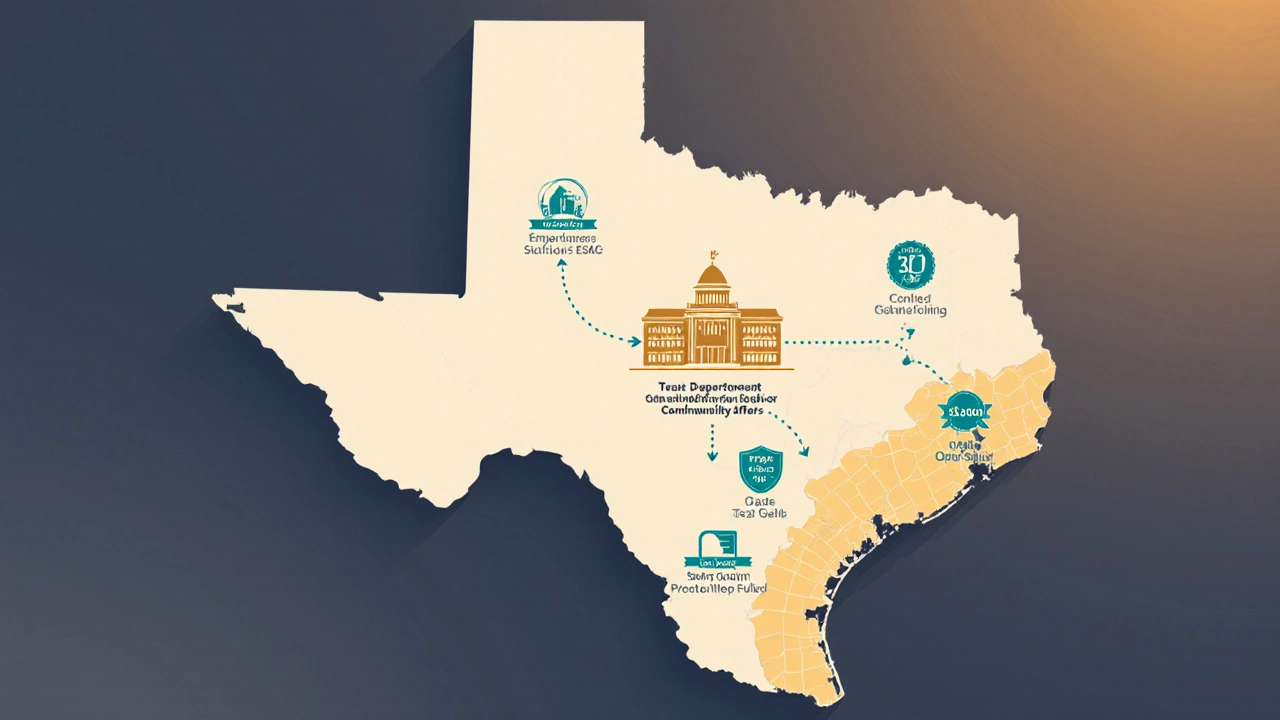
Texas Homeless Assistance: Programs, Funding, and Impact
Explore how Texas supports homeless individuals through state funding, major programs, city initiatives, and practical steps to get help.
Read MoreWhen someone in Texas loses their home, homeless shelters, temporary housing centers that provide safety, food, and connection to services for people without stable housing. Also known as emergency shelters, they’re often the first step out of the streets—not just a place to sleep, but a doorway to housing, jobs, and healthcare. These aren’t just overnight spots. Many Texas shelters work with local agencies to offer case management, mental health support, and help getting IDs or applying for benefits. In cities like Houston, Dallas, and Austin, shelters often partner with nonprofits to connect people with rapid re-housing, programs that help people move into permanent housing quickly using rent assistance and support services. In rural areas, shelters might be the only resource within 50 miles.
Not everyone who needs help can walk in and get a bed. Some shelters require proof of residency, others prioritize families or veterans. A few only accept people at night, and some have strict rules about pets, belongings, or behavior. But the best ones don’t just hand out meals—they help people rebuild. That’s why many Texas shelters now focus on outreach teams, mobile units that find people sleeping in cars or under bridges and bring them to services. These teams don’t wait for people to come to them. They go where the need is. And they’re often the reason someone gets into a shelter at all.
There’s also a growing network of shelters that serve specific groups: youth, survivors of domestic violence, or people with serious mental health conditions. Programs like Start Smart Program, a Texas-based initiative helping homeless teens get housing, education, and job training show how targeted support works. You don’t need perfect credit or a job to qualify for help. Many shelters in Texas don’t ask for anything but your name and a willingness to follow basic rules. What they ask in return is often just honesty and effort.
If you’re looking for a shelter in Texas, don’t assume they’re all the same. Some are run by churches, others by county governments or nonprofits. Some have waiting lists. Some only open during winter. But every one of them is trying to keep someone alive another night. The system isn’t perfect, but the people running these places are. And the good ones don’t just offer a cot—they offer a chance.
Below, you’ll find real guides on how to access these services, what to bring, how to qualify for housing help, and where to find support beyond the shelter door. No fluff. No jargon. Just what works.
Explore how Texas supports homeless individuals through state funding, major programs, city initiatives, and practical steps to get help.
Read More
Wondering what counts as a poor salary in Texas? This article breaks down the actual numbers for different family sizes and sheds light on what it really means for daily life. You’ll also find out how the cost of living in Texas stacks up to those numbers and what resources might help if you’re struggling. Plus, we tackle common myths about wealth and poverty in the Lone Star State. If you’re worried about making ends meet or just curious about the real stats, this guide keeps it straightforward.
Read More