What Are Roles in Outreach? A Clear Breakdown for Community Teams
Clear outreach roles turn good intentions into real results. Learn the five key positions every community team needs-and how to assign them without burning people out.
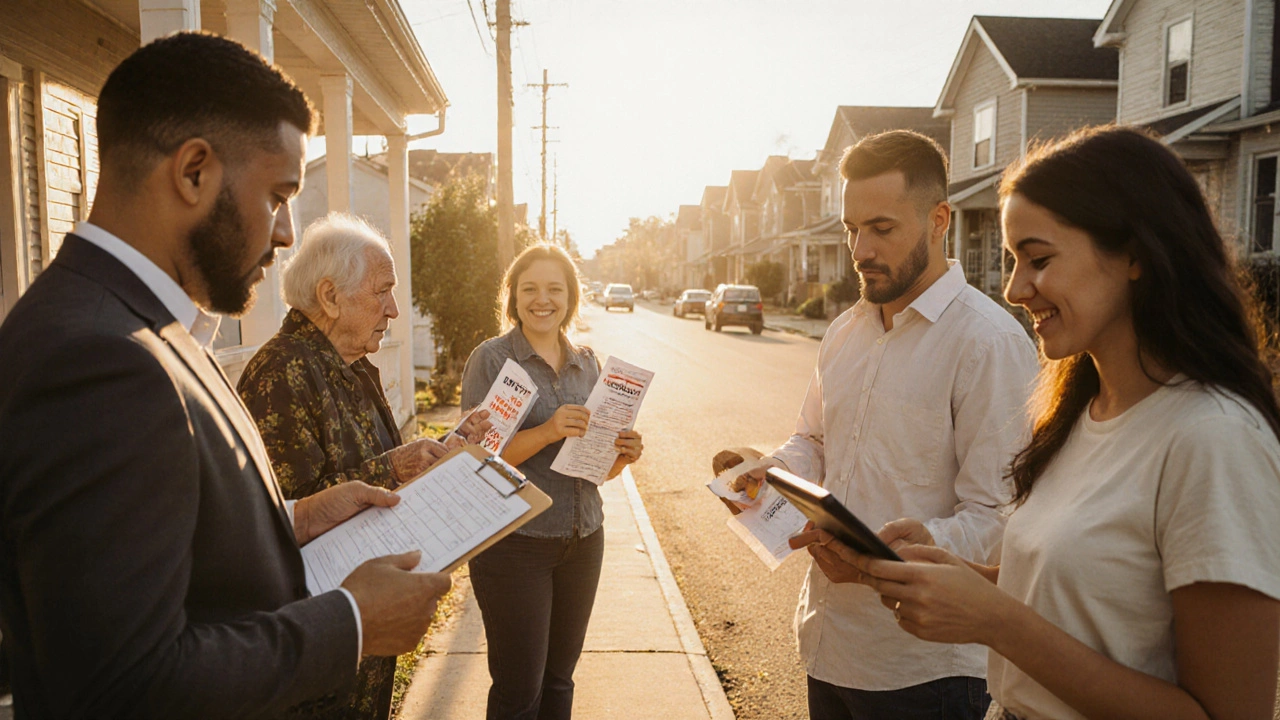
Read MoreWhen you hear outreach coordinator, a person who builds bridges between organizations and the communities they serve. Also known as community engagement specialist, it’s not just about handing out flyers or making calls—it’s about listening, building trust, and turning interest into action. This role shows up in food banks, homeless shelters, environmental groups, schools, and nonprofits. They don’t wait for people to come to them. They go where the need is—door to door, at bus stops, in church basements, online. Their job is simple: make sure the right help reaches the right people at the right time.
Good outreach coordinators don’t just talk about programs—they explain them in plain language. If someone’s struggling to pay rent, they don’t say "rapid re-housing initiative." They say, "We can help you find a place to live and pay your first month’s rent." They know the difference between community outreach, direct, face-to-face efforts to connect with people in their neighborhoods and just posting on social media. They understand that public engagement, the process of involving people in decisions that affect their lives isn’t a buzzword—it’s the backbone of real change. That’s why the best outreach plans start with questions, not scripts. Who are we trying to reach? What’s stopping them from getting help? What do they already trust?
They work with volunteer coordination, organizing and managing people who give their time without pay to stretch limited resources. One coordinator in Virginia might team up with local churches to deliver meals to seniors. Another in Arkansas might train high school students to help homeless youth navigate housing programs. They track what works: which days people show up, which messages get replies, which partners bring the most reliable support. They’re not just organizers—they’re problem solvers who turn confusion into clarity.
And they don’t work alone. They connect with case managers, school counselors, food bank staff, and city workers. They know that a single program won’t fix homelessness or hunger. It takes a network. That’s why so many of the guides here focus on building outreach plan, a clear roadmap for how to reach and engage a target group over time—with goals, timelines, and ways to measure success. Whether it’s a school club trying to grow or a nonprofit raising funds for food boxes, the same rules apply: be clear, be consistent, be human.
You’ll find posts here that show exactly how this works in real life—from choosing the right words instead of jargon like "outreach" to planning events that actually draw people in. You’ll see how volunteers prove their work, how charities pick the best event types, and how programs like Start Smart or Rapid Re-Housing get results. There’s no fluff. Just what works. If you’re stepping into this role—or working with someone who is—this collection gives you the tools to make a real difference, one conversation at a time.
Clear outreach roles turn good intentions into real results. Learn the five key positions every community team needs-and how to assign them without burning people out.
Read More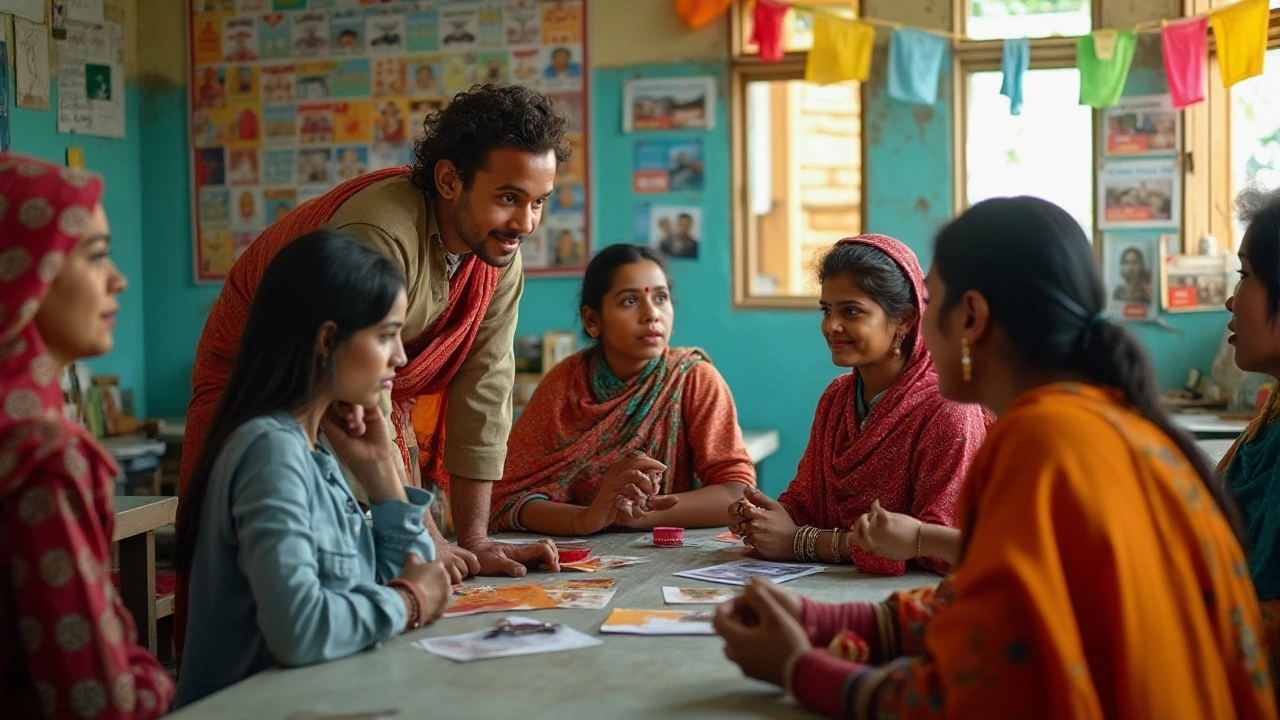
Community outreach professionals bridge the gap between organizations and the people they serve. The job titles in this field vary and can include roles such as Outreach Coordinator, Community Engagement Specialist, and Public Relations Officer. Each title reflects different responsibilities, from organizing events to developing strategies for communication and engagement. Understanding these roles can help those interested in building a career in community outreach to identify their path and purpose.
Read More