Youth Organization Size Calculator
Discover how many members the world's largest youth organizations would have in your country based on population proportions.
Estimated Membership in Your Country
This is an estimate based on population proportions. Actual membership depends on cultural factors, volunteer availability, and local programs.
The largest youth organization in the world isn't a single club in one country-it's a global network that reaches over 50 million young people across more than 150 nations. That organization is the World Organization of the Scout Movement (WOSM), which includes the Boy Scouts and similar groups in every corner of the globe. But it's not just about camping and knots. This network shapes leadership, service, and character for millions of young people every year.
How Big Is the Scout Movement?
As of 2025, WOSM reports more than 57 million members, including both youth and adult volunteers. That number dwarfs every other youth group on Earth. The Girl Guides and Girl Scouts, under the World Association of Girl Guides and Girl Scouts (WAGGGS), come in second with about 10 million members. Together, these two movements account for over 67 million young people engaged in structured, long-term youth development programs.
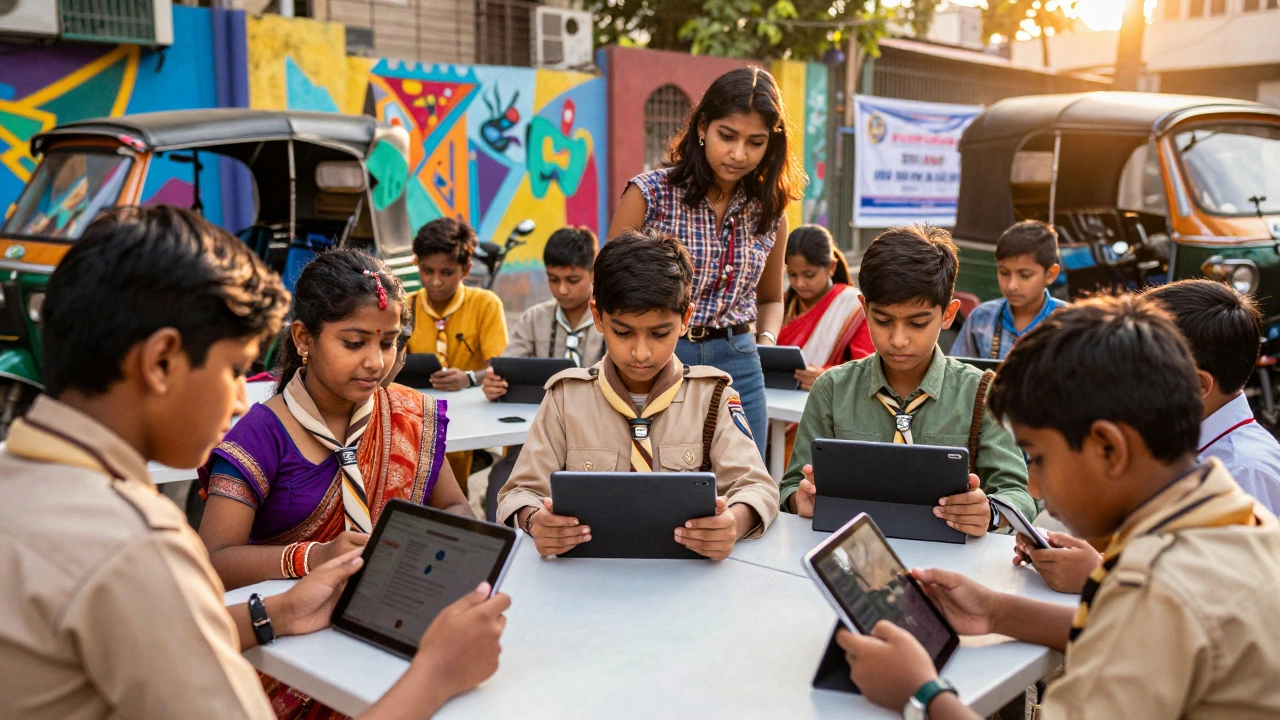
What makes the Scouts so widespread? It’s not because of flashy marketing or celebrity endorsements. It’s because the program works. It’s simple, adaptable, and rooted in local culture. In rural Kenya, Scouts learn about water conservation and farming. In urban India, they run digital literacy workshops. In Brazil, they organize community cleanups. The core structure stays the same-badges, patrols, outdoor skills, service projects-but the content changes to fit the needs of each community.
Why Do So Many Countries Have Scout Groups?
The Scout movement started in 1907 when Robert Baden-Powell held the first experimental camp on Brownsea Island in England. He didn’t set out to build a global empire. He just wanted to teach boys practical skills and responsibility. But the idea spread fast. By 1920, the first World Scout Jamboree brought together Scouts from 34 countries. Today, every UN-recognized country has at least one recognized Scout group.
Why did it take off? Because it filled a gap. Schools taught facts. Families taught values. But few institutions gave young people real responsibility in a team setting. Scouts did. You didn’t just learn how to tie a knot-you learned how to lead a team, resolve conflict, and plan a mission. That’s why even in places with little access to formal education, Scout groups thrive.
Girl Guides and Girl Scouts: The Other Giant
While WOSM is larger, the Girl Guides and Girl Scouts movement is just as powerful. WAGGGS was founded in 1928 and has grown into a force for gender equity in youth development. In many countries, girls didn’t have access to outdoor programs or leadership training until Girl Guides showed up.
In Pakistan, Girl Guides run literacy drives for girls who can’t attend school. In Sweden, they partner with local governments on climate action plans. In Nigeria, they teach financial literacy to teen girls. Their badge system includes topics like human rights, mental health, and digital safety-areas many traditional youth programs still ignore.
WAGGGS doesn’t try to be bigger than the Scouts. It’s focused on being better for girls. And that focus has paid off. In 2024, WAGGGS launched its largest global campaign yet: “Girls Lead the Way,” aiming to train 5 million girls in leadership by 2030.
What About Other Big Youth Organizations?
There are other large youth groups, but none come close to the Scouts or Guides in global reach.
- 4-H in the U.S. has about 6 million members, mostly focused on agriculture and STEM.
- YMCA/YWCA serves over 60 million people worldwide, but only about 15 million are youth participants.
- Young Pioneers in China once had over 100 million members, but membership is now tied to school enrollment and is not voluntary or independent.
- Red Cross Youth has around 13 million young volunteers, but they’re primarily focused on emergency response training, not long-term personal development.
What sets the Scouts and Guides apart is that membership is voluntary, ongoing, and centered on personal growth-not just service or training. A Scout doesn’t join for a summer camp. They join for years. They earn badges over time. They move from junior to senior roles. They become mentors. That’s why retention rates are high and impact lasts into adulthood.
What Do Members Actually Do?
It’s easy to picture Scouts as boys in khaki shorts building campfires. But modern programs are far more diverse.
Scouts and Guides today:
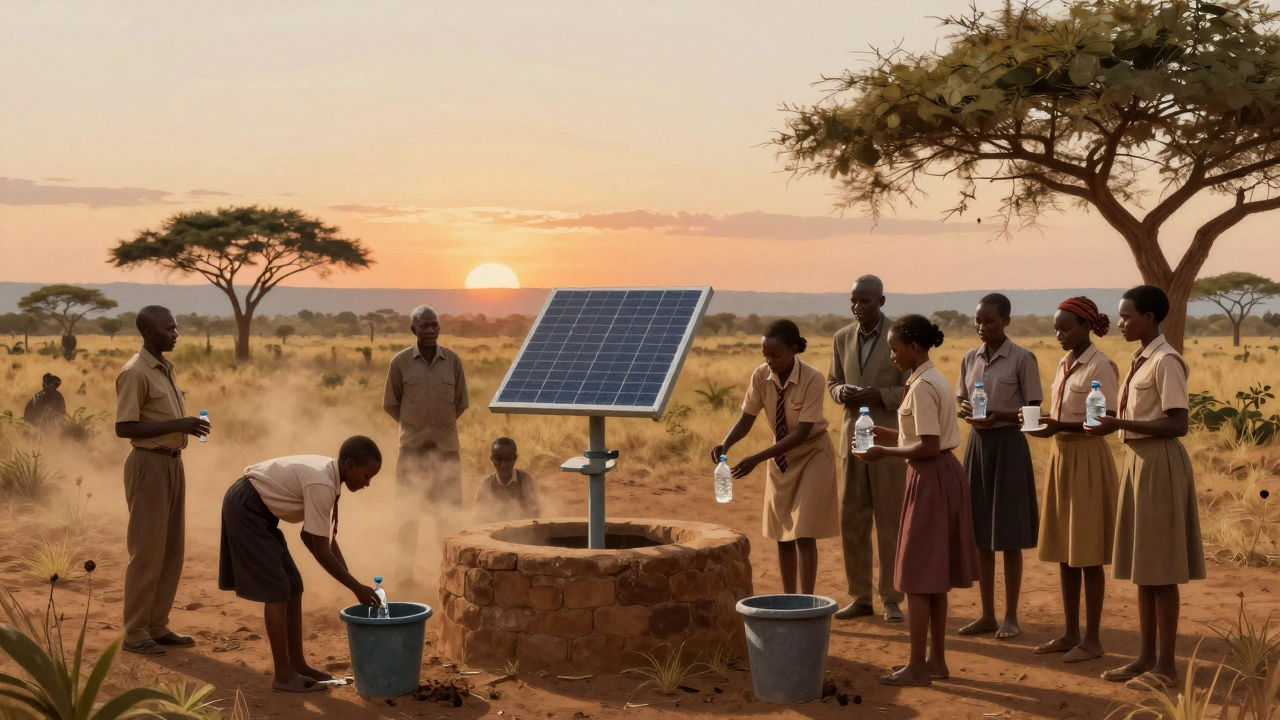
- Design and build solar-powered water filters in rural villages
- Run mental health peer support networks in high schools
- Develop apps to track local wildlife populations
- Organize food drives and homeless outreach programs
- Lead climate strikes and environmental education campaigns
Their highest award isn’t just a badge-it’s a project. In the U.S., the Eagle Scout project requires 100+ hours of planning and execution. In the UK, the Queen’s Scout Award demands leadership in a community challenge. These aren’t easy. They’re designed to push young people beyond comfort zones.
Why Does This Matter Today?
In a world where teens spend hours on screens and feel disconnected from their communities, the Scouts and Guides offer something rare: real belonging. Not just online likes or group chats, but face-to-face teamwork, accountability, and purpose.
Studies show that young people who stay in these programs for more than three years are 40% more likely to volunteer as adults and 30% more likely to pursue leadership roles in their careers. That’s not magic. It’s structure. It’s mentorship. It’s the slow, steady build of confidence through doing, not just talking.
These organizations don’t promise to fix society. But they give young people the tools to start fixing it themselves-right where they live.
Can Anyone Join?
Yes. Membership is open to all young people regardless of gender, religion, income, or background. In many countries, fees are waived for families who can’t afford them. Programs are adapted for children with disabilities. In refugee camps, Scout groups have been started by volunteers to give kids structure and hope.
There’s no entrance exam. No tryouts. You just show up. That’s part of why it works. It’s not about being the best. It’s about being part of something bigger.
Is the Boy Scouts the largest youth organization?
Yes, the Boy Scouts, as part of the World Organization of the Scout Movement (WOSM), is the largest youth organization in the world with over 57 million members globally. It includes all national Scout associations, not just the U.S. Boy Scouts.
Are Girl Guides smaller than Boy Scouts?
Yes, Girl Guides and Girl Scouts (WAGGGS) have about 10 million members, which is smaller than WOSM’s 57 million. But WAGGGS is the largest organization specifically for girls and young women worldwide and has a strong, independent structure focused on gender equity.
Do all countries have Scout groups?
Yes, every country recognized by the United Nations has at least one officially recognized Scout or Guide association. Some countries have multiple groups due to cultural or religious diversity, but all are linked to either WOSM or WAGGGS.
Is the Scout movement religious?
No, the Scout movement is not religious. While many national groups work with faith-based organizations, the global movement requires only a "duty to a higher power," which can mean God, nature, or personal values. Many groups are completely secular.
Can adults join the Scouts?
Adults can’t join as youth members, but they can volunteer as leaders, mentors, or trainers. Over 10 million adults worldwide serve in volunteer roles. Many started as Scouts themselves and returned decades later to help the next generation.
What’s Next for the Largest Youth Organization?
The future of the Scouts and Guides isn’t about growing bigger-it’s about growing deeper. They’re adding new badges in AI ethics, climate resilience, and mental first aid. They’re partnering with universities to offer youth leadership certificates. And they’re using apps to track progress, not replace real-world experience.
One thing won’t change: the core belief that every young person has something valuable to contribute. You don’t need to be the smartest, strongest, or loudest. You just need to show up, try, and care. That’s why, after 118 years, this remains the biggest youth movement on Earth.