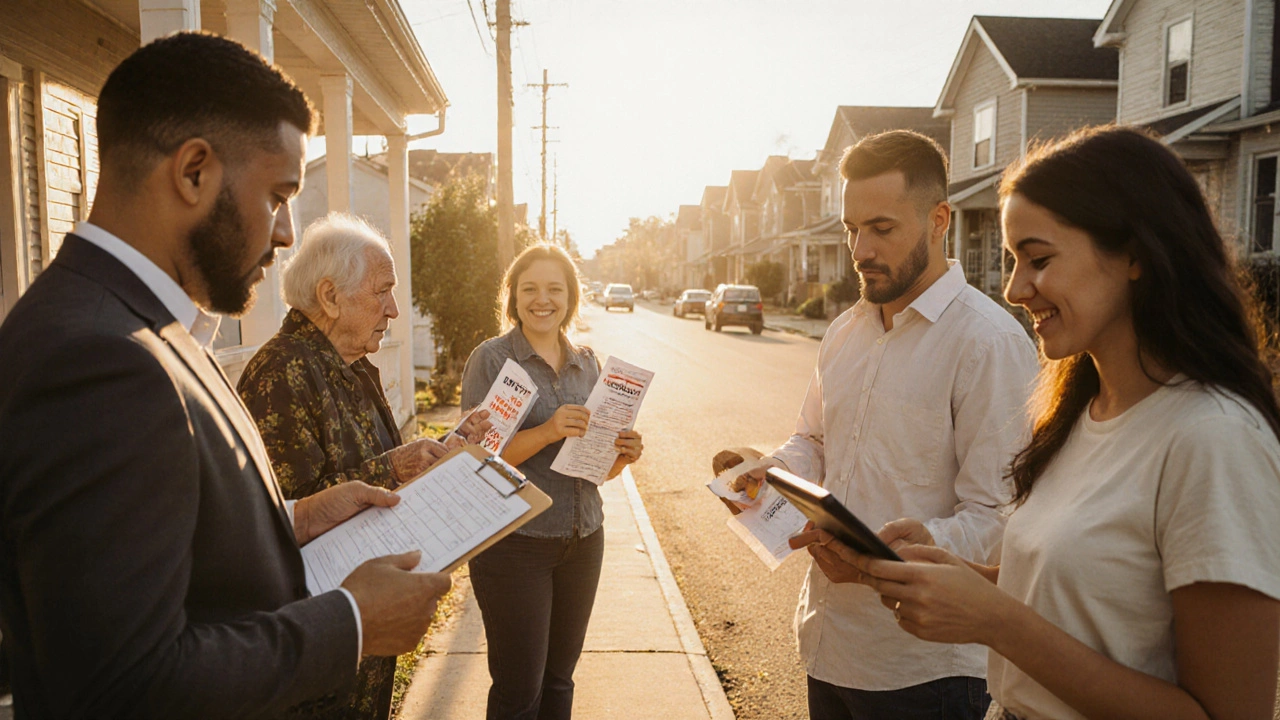
What Are Roles in Outreach? A Clear Breakdown for Community Teams
Clear outreach roles turn good intentions into real results. Learn the five key positions every community team needs-and how to assign them without burning people out.
Read MoreWhen you hear outreach team, a group of people organized to connect with communities, share resources, and drive local action. Also known as community engagement team, it’s not just about handing out flyers—it’s about showing up, listening, and building trust over time. An outreach team is what turns good intentions into real results. Whether it’s helping seniors get meals, guiding homeless youth to housing, or getting neighbors to join a clean-up day, these teams are the bridge between organizations and the people who need help.
What makes a good outreach team? It’s not size—it’s strategy. A strong team includes people who live in the area, understand local barriers, and can speak the language of the community. They don’t just talk at people—they sit with them, learn their stories, and adjust their approach. That’s why many successful outreach teams include former participants: someone who’s been homeless, struggled with hunger, or been shut out of services often makes the best outreach worker. These teams rely on community outreach, direct, person-to-person efforts to inform, support, and mobilize local populations, not ads or websites. They knock on doors, show up at bus stops, and join church gatherings. And they track what works: which days people are home, which messages land, which partners bring real access.
Building one doesn’t require a big budget. Start with five people who care. Give them clear goals—like reaching 50 families with food info in a month—and simple tools: a phone, a printed list of resources, and a notebook. Train them to listen more than they speak. Let them decide how to approach people—not a script, but a mindset. The best outreach teams adapt fast. If seniors aren’t answering calls, they start visiting senior centers. If teens won’t come to a meeting, they meet them at the park. volunteer outreach, the use of unpaid helpers to extend the reach of community programs is powerful because volunteers often have personal ties to the cause. They’re not just workers—they’re neighbors, parents, students, retirees who’ve seen the need up close.
And it’s not just about delivering services—it’s about changing how systems work. An outreach team that finds 30 families without heat in winter doesn’t just hand out blankets. They take that data to city hall. They push for better policies. That’s why the most effective teams pair direct action with advocacy. They don’t just answer questions—they ask better ones. Why are so many seniors skipping meals? Why do youth drop out of programs? Their answers shape what comes next.
What you’ll find here are real stories and step-by-step guides from people who’ve built these teams from scratch. You’ll learn how to train volunteers, avoid common mistakes, pick the right tools, and measure impact without fancy software. Whether you’re starting a team at a school, a church, or a nonprofit, you’ll find what actually works—not theory, not fluff, but the messy, real, human work of showing up and staying.
Clear outreach roles turn good intentions into real results. Learn the five key positions every community team needs-and how to assign them without burning people out.
Read More