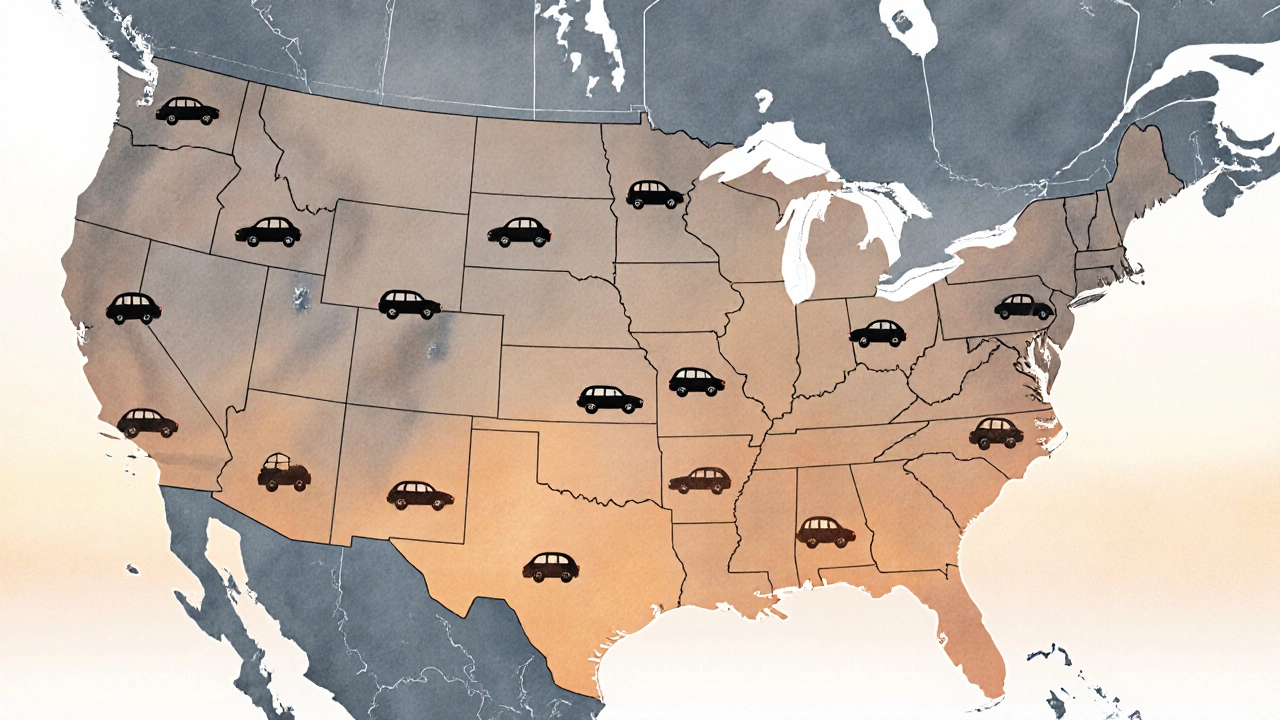
Which US States Ban Sleeping in Your Car? 2025 Guide
A 2025 guide explaining which US states ban sleeping in your car, outlining penalties, legal exceptions, and safe alternatives for overnight travel.
Read MoreWhen you leave your car on the street overnight, you’re not just picking a spot—you’re following overnight car parking laws, local rules that control where, when, and how long you can leave your vehicle parked on public streets. These rules vary by city, neighborhood, and even side of the street, and ignoring them can cost you hundreds in fines or worse—your car towed. There’s no national standard in the U.S. or India, and even within a single city, rules change block by block. What’s legal in a quiet suburb might be a violation in a downtown zone.
Many people assume that if they’re not blocking a driveway or fire hydrant, they’re fine. But that’s not true. residential parking permits, system used by cities to limit non-resident parking in dense neighborhoods are common in urban areas. If you don’t have a permit, you might be limited to two hours of parking—even overnight. In some places, like parts of London or Delhi, overnight parking is banned entirely on certain streets during weekdays. And don’t assume signs are clear. Many cities use color-coded curbs, time markers, or even digital alerts you won’t see until you get a ticket.
Then there’s the issue of parking regulations, official rules set by local governments to manage street use, including time limits, disabled spots, and loading zones. These aren’t just about convenience—they’re tied to traffic flow, emergency access, and public safety. A fire truck needs a clear path. A garbage truck needs room to turn. A snowplow needs space to clear the road. When you park overnight in a restricted zone, you’re not just breaking a rule—you’re adding risk to your neighbors.
Some cities have exceptions: street cleaning days, holiday suspensions, or special permits for people with medical needs. But you can’t guess. You have to check. Most city websites list parking rules by zone, and many now have free apps that show real-time restrictions. If you’re new to an area, ask your landlord, neighbor, or local community group. Don’t wait until you get a ticket to find out.
And if you’re trying to avoid towing, don’t rely on common myths. ‘I parked there last week and nothing happened’ isn’t a defense. ‘I didn’t see the sign’ doesn’t work in court. Signs are legally posted, and ignorance isn’t an excuse. Even if you think your car is invisible, automated license plate readers scan streets every night. They don’t miss.
What you’ll find below are real, practical guides that help you understand how these rules play out in different places—from small towns to big cities. You’ll see how people have avoided fines, what to do if your car gets towed, and how to find safe, legal spots to leave your vehicle overnight. No fluff. No theory. Just what works.
A 2025 guide explaining which US states ban sleeping in your car, outlining penalties, legal exceptions, and safe alternatives for overnight travel.
Read More