Real-Life Support Group Examples: How They Work and Why They Matter
Explore what a real support group looks like, with practical examples, tips, and a deep dive into how these communities help people cope and heal together.
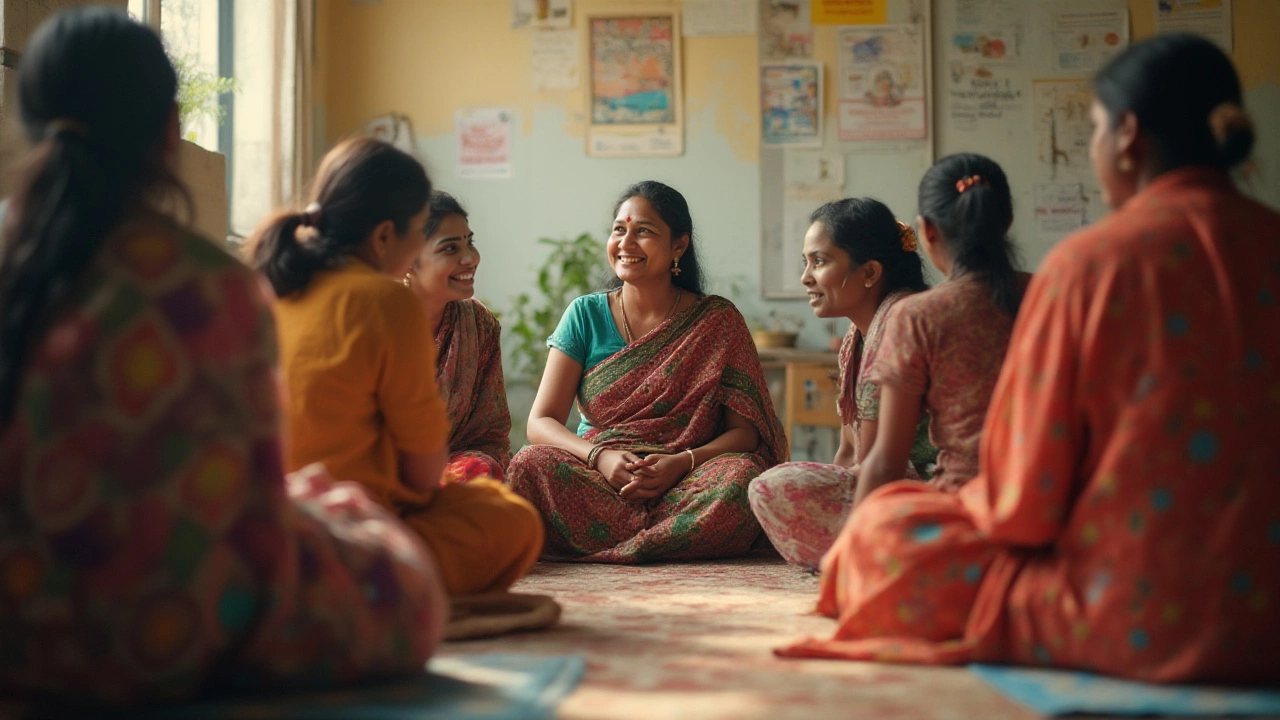
Read MoreWhen people face tough times—whether it’s grief, addiction, homelessness, or chronic illness—they don’t always need a solution right away. They need someone who gets it. That’s where a support group, a structured gathering of people who share a common challenge and offer mutual emotional and practical help. Also known as peer support group, it’s not therapy, but it often makes therapy possible by giving people the courage to ask for help. These groups aren’t just about talking. They’re about showing up, week after week, and saying, ‘You’re not alone.’
Support groups work because they’re built on trust, not titles. A person struggling with food insecurity might find more comfort in a group of others who’ve stood in line at a food bank than in a brochure from a government office. The same goes for someone dealing with mental health issues, a caregiver burning out, or a teen who just got kicked out of their home. Real help often comes from people who’ve walked the same path. That’s why community support, local networks of neighbors, volunteers, and organizations that connect people to resources and each other matters so much. It’s not about big budgets. It’s about consistent presence. And it’s why so many of the posts here focus on how to build these networks—from outreach roles that keep groups running to programs like the Start Smart Program in Arkansas that give homeless youth a place to belong.
What makes a support group stick? It’s not the fancy name or the fancy website. It’s the person who shows up even when they’re tired. It’s the volunteer who learns how to hand out meal boxes without making someone feel ashamed. It’s the fact that someone in Virginia can get a hot meal delivered to their door because a local group made sure the system worked. Support groups are tied to mental health support, services and gatherings that help people manage emotional struggles through shared experience rather than clinical intervention alone, but they also connect to housing, food access, job training, and even school clubs. They’re the quiet engine behind many of the initiatives you’ll find below—like how environmental groups build community trust before pushing for policy change, or how charity events succeed because volunteers feel seen and supported, not used.
You’ll find real examples here: how to structure a group so people don’t burn out, what roles actually matter in keeping it alive, and how to turn good intentions into lasting help. No fluff. No jargon. Just what works when people are trying to get through the day—and help someone else do the same.
Explore what a real support group looks like, with practical examples, tips, and a deep dive into how these communities help people cope and heal together.
Read More