🌍 Environmental Impact Simulator
Choose one of the three main environmental problem groups to see its immediate impacts and how it ripples into the other two categories. This demonstrates why isolated solutions are often insufficient.
Immediate Impacts
Ripple Effects on Other Groups
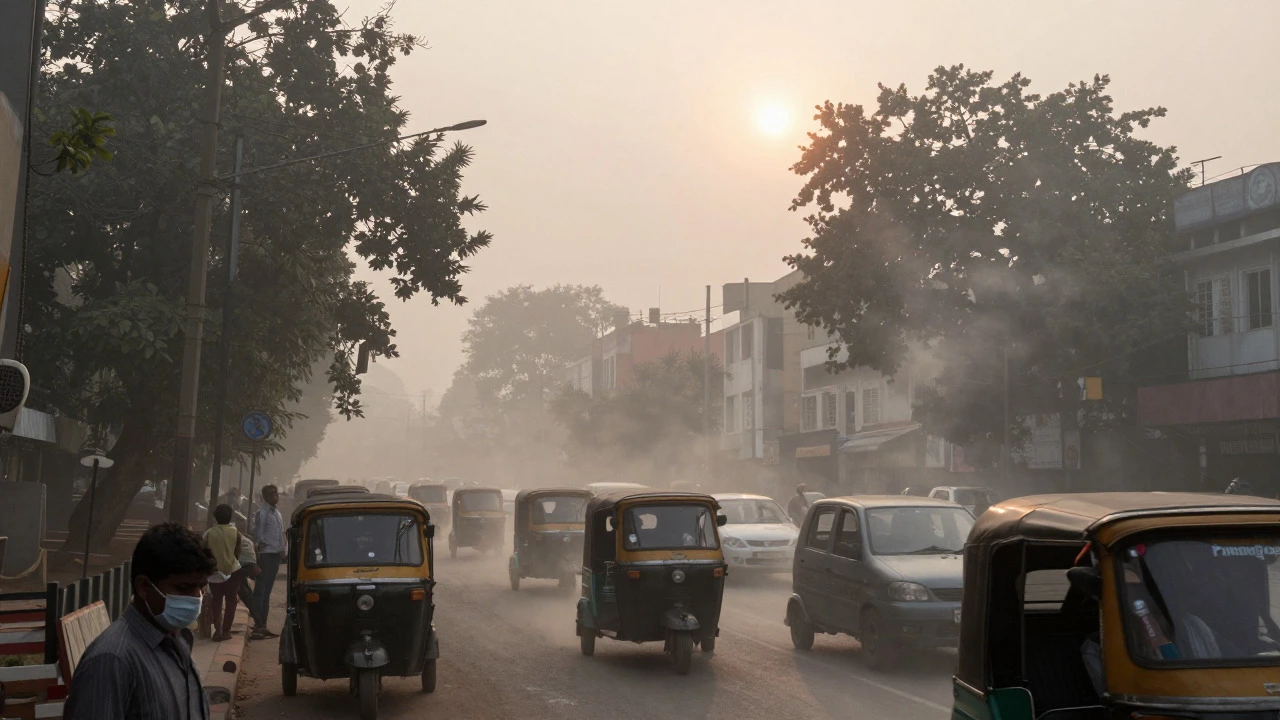
Walking through a park in Sydney, you might notice the air feels different on hot days. It’s not just the heat; it’s the haze. This is a visible sign of one of the three main environmental problem groups: pollution. But pollution is only part of the story. To understand how we fix our planet, we have to look at the big picture. Scientists and policymakers generally categorize global environmental issues into three distinct but interconnected buckets: Pollution, Climate Change, and Biodiversity Loss. Understanding these three groups helps us see where our efforts matter most.
The First Group: Pollution and Resource Depletion
Pollution is the introduction of contaminants into the natural environment that cause adverse change. It is the most immediate threat to human health and local ecosystems. When we talk about this group, we aren't just talking about trash in the ocean. We are talking about chemical, physical, and biological agents that disrupt natural processes.
Air pollution from vehicle exhaust and industrial factories contributes significantly to respiratory diseases worldwide. Water pollution comes from agricultural runoff, which carries pesticides and fertilizers into rivers and groundwater. Soil degradation occurs when topsoil is eroded or contaminated by heavy metals. These issues often happen locally but have global ripple effects. For instance, microplastics found in deep-sea trenches show how local waste management failures become global ecological problems.
This group also includes resource depletion. We are using freshwater, arable land, and fossil fuels faster than they can regenerate. The connection here is direct: polluting a river makes it harder for fish to survive, which depletes the food source for birds and humans alike. Addressing this group requires stricter regulations on emissions, better waste management systems, and a shift toward circular economies where materials are reused rather than discarded.
The Second Group: Climate Change and Global Warming
Climate Change is long-term shifts in temperatures and weather patterns, primarily driven by human activities like burning fossil fuels. Unlike pollution, which is often visible and localized, climate change is invisible until its impacts hit hard. It acts as a multiplier, making other environmental problems worse.
Rising global temperatures lead to more frequent extreme weather events. Think about the bushfires in Australia or the floods in Europe. These aren't just bad luck; they are symptoms of a destabilized climate system. Melting ice caps contribute to rising sea levels, threatening coastal cities like Sydney, Miami, and Shanghai. Warmer oceans absorb less carbon dioxide, which accelerates the greenhouse effect. This creates a feedback loop where the problem feeds itself.
The key attribute here is scale. While you can clean up a polluted stream in a weekend, you cannot fix the global carbon cycle in a week. Mitigation involves reducing greenhouse gas emissions through renewable energy adoption, electric vehicles, and carbon capture technologies. Adaptation involves building resilient infrastructure, such as seawalls and drought-resistant crops. Both strategies are necessary because some degree of warming is already locked in due to past emissions.
The Third Group: Biodiversity Loss and Habitat Destruction
Biodiversity Loss is the reduction in the variety of life on Earth, including species extinction and habitat fragmentation. This group focuses on the web of life itself. Every species plays a role in maintaining ecosystem services, such as pollination, water purification, and soil fertility. When we remove pieces of this web, the whole structure weakens.
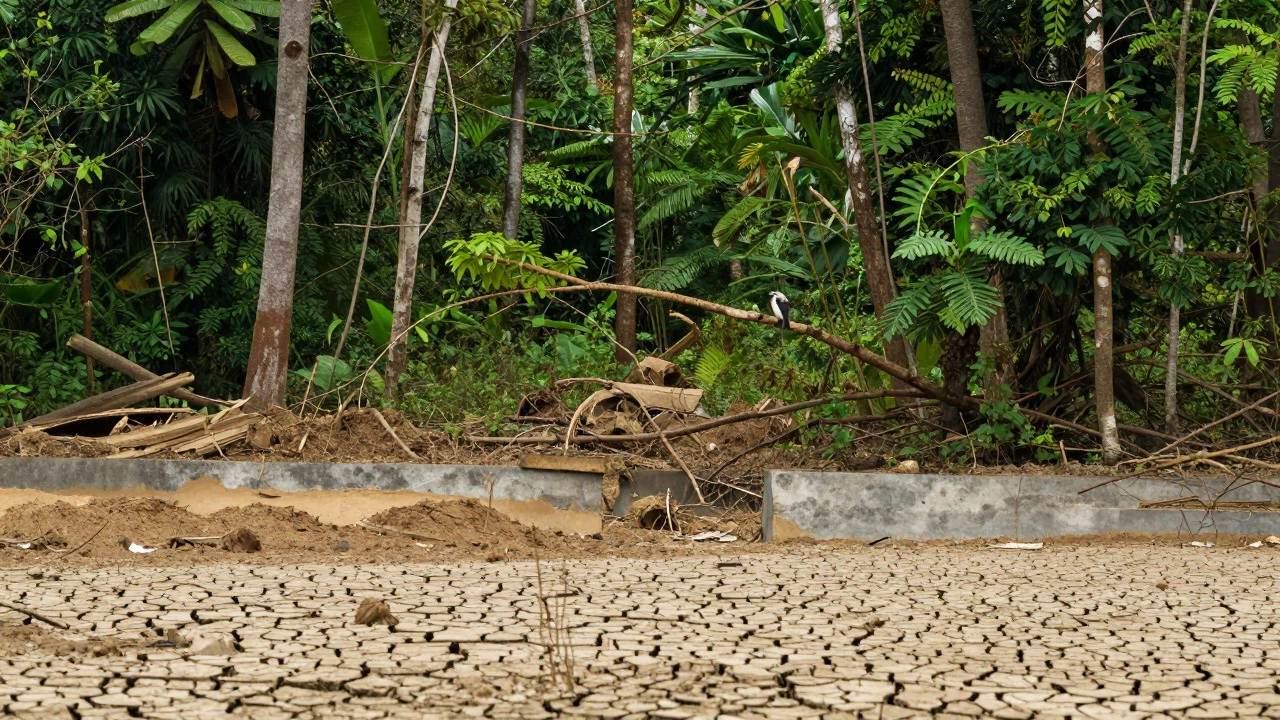
Habitat destruction is the leading driver. Deforestation for agriculture clears forests that store massive amounts of carbon and support millions of species. Urban expansion fragments habitats, isolating animal populations and preventing genetic diversity. Invasive species, often introduced by human trade, outcompete native species for resources. For example, cane toads in Australia have devastated native snake and frog populations because there are no natural predators for them.
This group is closely linked to the other two. Climate change alters habitats faster than many species can adapt. Pollution poisons the remaining safe havens. Losing biodiversity reduces nature's ability to buffer against shocks. If bees disappear, crop yields drop. If coral reefs die, coastal protection vanishes. Protecting biodiversity means preserving the functional integrity of the planet, not just saving charismatic animals like pandas or tigers.
How These Three Groups Interact
You might think these are separate lists. They are not. They form a complex network of causes and effects. Let’s look at a concrete example: a tropical rainforest.
- Deforestation (Biodiversity Loss) releases stored carbon, contributing to Climate Change.
- Climate Change increases drought frequency, making forests more prone to fire.
- Fires release smoke and particulates, causing Pollution that affects air quality thousands of miles away.
- Air pollution damages plant leaves, reducing their ability to photosynthesize, which further weakens the forest’s resilience.
This cascade shows why solving one problem without addressing the others is inefficient. You can plant trees to restore biodiversity, but if the climate continues to warm, those trees may struggle to survive. You can reduce car emissions to cut pollution, but if deforestation continues, the net carbon balance remains positive. Integrated approaches are essential. Policies must consider all three groups simultaneously.
| Problem Group | Primary Drivers | Immediate Impact | Key Solution Strategy |
|---|---|---|---|
| Pollution | Industrial waste, vehicle exhaust, agricultural chemicals | Human health issues, local ecosystem damage | Regulation, waste management, circular economy |
| Climate Change | Fossil fuel combustion, deforestation | Extreme weather, sea-level rise, temperature shifts | Renewable energy, carbon pricing, adaptation planning |
| Biodiversity Loss | Habitat destruction, invasive species, overexploitation | Species extinction, reduced ecosystem services | Protected areas, sustainable land use, restoration |
Why Classification Matters for Action
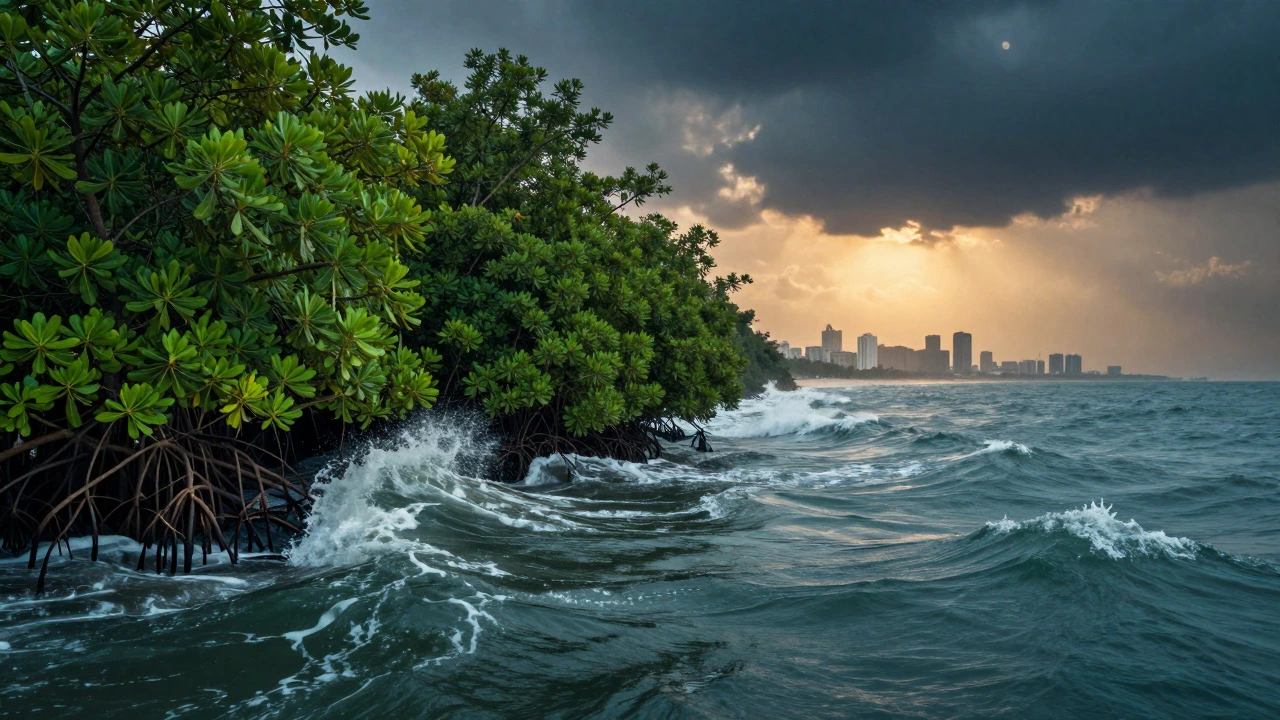
Breaking environmental issues into these three groups helps organizations allocate resources effectively. A charity focusing on plastic cleanup addresses Pollution. A policy advocate pushing for solar subsidies targets Climate Change. A conservation NGO protecting wetlands fights Biodiversity Loss. However, the most effective initiatives often span multiple categories. For example, restoring mangrove forests protects coastal communities from storms (Climate Change adaptation), filters water (Pollution control), and provides nursery grounds for fish (Biodiversity preservation).
Understanding these distinctions also helps individuals make informed choices. Buying local food reduces transportation emissions (Climate Change). Reducing single-use plastics lowers waste streams (Pollution). Supporting sustainable forestry ensures long-term habitat stability (Biodiversity). Each action sends a signal to the market and policymakers about what matters.
Practical Steps for Individuals and Communities
You don’t need to be a scientist to tackle these issues. Here are practical ways to address each group:
- For Pollution: Audit your household waste. Compost organic matter to keep it out of landfills. Choose products with minimal packaging. Support local businesses that prioritize recycling.
- For Climate Change: Calculate your carbon footprint. Switch to energy-efficient appliances. Consider public transport or cycling for short trips. Advocate for green infrastructure in your local council meetings.
- For Biodiversity Loss: Plant native species in your garden to support local pollinators. Avoid introducing exotic plants that could become invasive. Join local citizen science projects to monitor wildlife populations.
These steps seem small, but collective action drives systemic change. When thousands of people choose sustainable options, companies respond. When voters demand green policies, governments act. The classification of these problems gives us a map. Now it’s time to follow it.
Are these three groups mutually exclusive?
No, they are highly interconnected. For example, deforestation contributes to both biodiversity loss and climate change, while burning fossil fuels causes both climate change and air pollution. Solving one issue often requires addressing aspects of the other two.
Which group is the most urgent?
Urgency depends on perspective. Pollution poses an immediate health risk. Climate change has long-term tipping points that are approaching fast. Biodiversity loss is happening at rates 100 times higher than natural background levels. Most experts argue that all three require simultaneous attention, with climate change often cited as the overarching driver that exacerbates the other two.
How does urbanization fit into these groups?
Urbanization primarily drives biodiversity loss through habitat fragmentation and pollution through increased waste and emissions. It also contributes to climate change via energy consumption and the urban heat island effect. Sustainable urban planning aims to mitigate all three impacts.
What role do international agreements play?
International agreements like the Paris Agreement target climate change, while the Convention on Biological Diversity focuses on biodiversity. The Stockholm Convention addresses persistent organic pollutants. These frameworks set global goals, but implementation relies on national and local actions.
Can technology solve these problems alone?
Technology is a crucial tool but not a silver bullet. Carbon capture, electric vehicles, and bioremediation help, but they require policy support, economic incentives, and behavioral changes to scale effectively. Technology enables solutions, but human decisions determine whether those solutions are adopted.