
Volunteer Skills Self-Assessment
Select the traits that best describe you in your daily life or current job. We will match them to suitable volunteer roles.
Your Recommended Roles
Here is a secret most volunteer coordinators won't tell you upfront: you don't need to be perfect. In fact, if you wait until you feel "ready," you might never start. The biggest barrier to volunteer opportunities isn't a lack of technical certification; it's the fear that you aren't qualified enough. But let's look at the reality. Most non-profits are desperate for reliable humans who show up on time and care about the cause. That’s the baseline.
So, what do you actually bring to the table? It turns out, the skills organizations value most are often the ones you use every day in your personal life or current job. You just haven't labeled them as "volunteer assets" yet. Whether you're looking to help at a local food bank in Sydney, mentor a teenager, or clean up a beach, understanding these core competencies will make your application stand out and your experience more rewarding.
The Foundation: Reliability and Communication
If there is one rule above all others in the volunteer world, it is this: Reliability is the currency of trust. Non-profits run on tight budgets and lean teams. When a volunteer cancels last minute, it doesn't just inconvenience a manager; it can mean a meal goes undelivered or a shift gets cancelled entirely. Being reliable means showing up when you said you would, even if you’re tired. It means calling ahead if you’re going to be late. This simple trait makes you instantly more valuable than someone with ten years of experience who flakes on Tuesdays.
Closely tied to reliability is communication. You don't need to be a public speaker. You just need to be clear. If you don't understand an instruction, ask. If you made a mistake, own it quickly. Organizations appreciate transparency over silence. A common pitfall for new volunteers is trying to hide errors because they want to appear competent. In reality, saying "I messed up the filing system here, how should I fix it?" builds more respect than pretending everything is fine while the chaos grows.
Adaptability: Embracing the Chaos
Adaptability is another critical skill, primarily because non-profit environments rarely go exactly according to plan. Resources are limited. Supplies might run out. A key staff member might call in sick. Your ability to pivot without complaining is huge. Think about it: corporate jobs often have rigid structures and dedicated support teams. Volunteer roles often require you to wear multiple hats. One hour you’re sorting donations, the next you’re directing traffic, and later you’re helping a confused donor find their receipt.
This flexibility requires emotional resilience. Things might be disorganized. The coffee might be bad. The computer system might crash. Can you stay calm and find a solution? If you thrive in structured, predictable environments, you might find some volunteer roles frustrating initially. However, learning to embrace the "good enough" standard rather than demanding perfection is a superpower in the charity sector. It allows you to focus on impact rather than process inefficiencies.
Empathy and Cultural Sensitivity
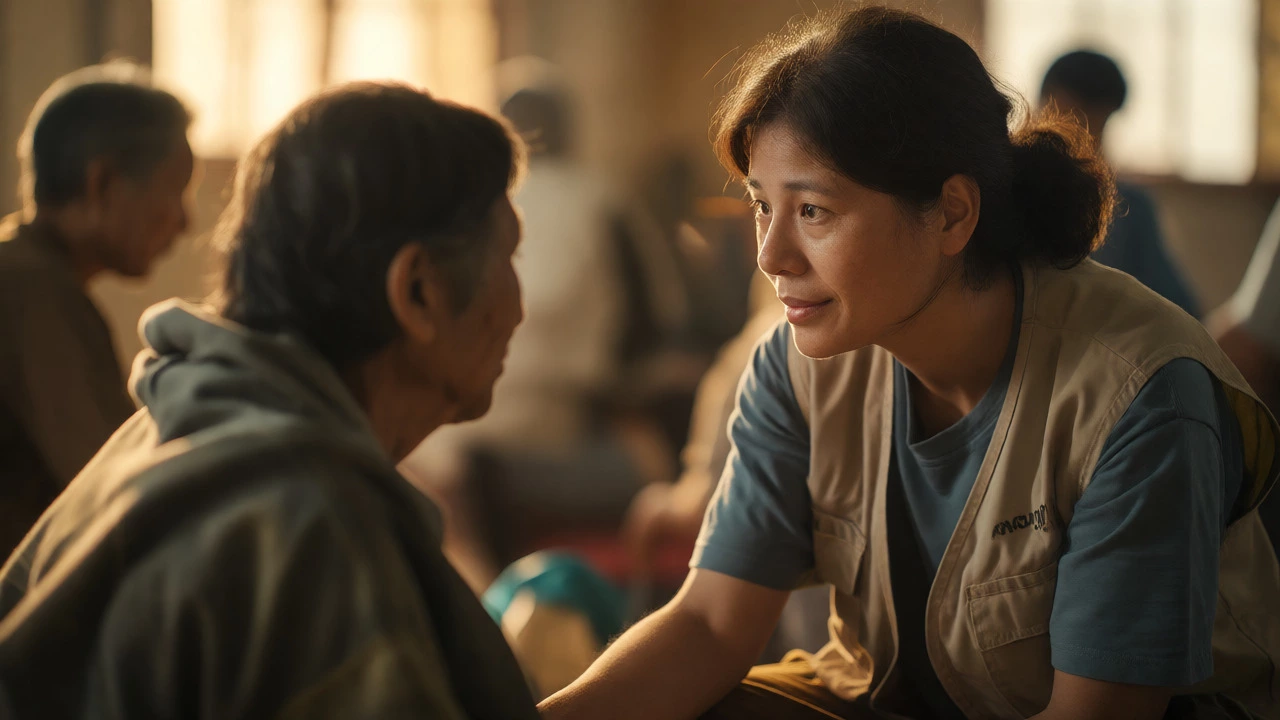
You cannot separate volunteering from human connection. Empathy is the ability to understand and share the feelings of another person. For many roles-especially in social welfare, health, or youth activities-this is your primary tool. You aren't just delivering services; you are interacting with people who may be experiencing stress, trauma, or vulnerability.
But empathy isn't just about being nice. It involves active listening. It means suspending judgment. Imagine you’re volunteering at a homeless shelter. A guest is irritable and rude. An untrained reaction might be defensiveness. An empathetic response considers that the person might be hungry, cold, or dealing with mental health struggles. Cultural sensitivity also plays a massive role here. In diverse cities like Sydney, you’ll work with people from various backgrounds, ages, and abilities. Understanding basic cultural norms and avoiding assumptions shows respect and builds trust faster than any script could.

Teamwork and Collaboration
Volunteering is rarely a solo mission. Even if you’re working independently, you’re part of a larger ecosystem. Teamwork in a volunteer context differs slightly from corporate teamwork. There’s no boss yelling at you to meet KPIs. Motivation comes from shared purpose. You need to collaborate with other volunteers who might come from completely different walks of life-a retired teacher, a university student, and a corporate lawyer might all be packing boxes side-by-side.
Effective collaboration means respecting different working styles. Some volunteers are fast but messy; others are slow but meticulous. Neither is wrong. Your job is to find a rhythm with your peers. Conflict resolution skills are vital here too. Disagreements happen, usually over minor operational details. Being able to de-escalate tension with humor or compromise keeps the team morale high. Remember, everyone is donating their free time. Protecting that goodwill is part of the job description.
Basic Digital Literacy
Gone are the days when volunteering meant only physical labor. Today, digital skills are increasingly requested. You don't need to be a coding wizard, but Digital Literacy covers a surprising amount of ground. Many organizations use platforms like Slack, Zoom, or Trello for coordination. They might need you to enter data into a CRM (Customer Relationship Management) system or manage social media posts.
If you can navigate a website, send an email with attachments, and troubleshoot basic tech issues (like why your microphone isn’t working during a virtual meeting), you are ahead of the curve. For older volunteers, this can be a hurdle, but it’s easily overcome with patience. Conversely, younger volunteers often underestimate how much manual data entry or phone-based outreach still happens. Showing willingness to learn specific software tools makes you versatile and useful across different departments.
| Role Type | Primary Hard Skills | Primary Soft Skills | Common Pitfalls |
|---|---|---|---|
| Front Desk / Reception | Data Entry, Phone Etiquette, Basic Software | Patience, Clear Communication, Greeting Warmth | Taking complaints personally; ignoring queue management |
| Event Support | Logistics Setup, Crowd Control, Cash Handling | Adaptability, Energy, Problem-Solving | Standing around when idle; failing to anticipate needs |
| Mentoring / Tutoring | Subject Knowledge, Lesson Planning | Active Listening, Empathy, Consistency | Talking too much; assuming prior knowledge |
| Environmental Cleanup | Physical Stamina, Safety Awareness, Tool Use | Teamwork, Environmental Awareness, Resilience | Ignoring safety gear; poor waste separation |
How to Identify Your Own Transferable Skills
Still wondering if you have "enough" skills? Look at your daily life. Are you organized at home? That’s project management. Do you mediate arguments among friends? That’s conflict resolution. Did you organize a family holiday? That’s logistics and budgeting. These are transferable skills.
- For Students: Highlight energy, quick learning, and tech-savviness. You might lack professional experience, but you have fresh perspectives and availability.
- For Professionals: Leverage your specialized expertise. If you’re an accountant, offer pro-bono financial advice. If you’re a designer, help with flyers. This adds immediate value beyond general labor.
- For Retirees: Emphasize reliability, life experience, and patience. You likely have flexible hours and a wealth of interpersonal wisdom that younger volunteers are still developing.
The goal isn't to list every skill you’ve ever had. It’s to match your strengths to the organization’s needs. Read the volunteer description carefully. If they mention "handling sensitive information," highlight your discretion. If they mention "working outdoors," highlight your physical stamina. Tailoring your approach shows you’ve done your homework.
Training and Continuous Learning
No one expects you to know everything on day one. Most reputable organizations provide induction training. This might cover safety protocols, confidentiality agreements, and specific operational procedures. Pay attention during these sessions. Ask questions. Taking notes demonstrates engagement.
Beyond formal training, adopt a growth mindset. Seek feedback regularly. Don’t wait for the annual review to ask how you’re doing. A simple check-in after a few shifts-"Is there anything I could do better?"-shows professionalism. Also, consider micro-learning. If you’re interested in animal welfare, read up on dog body language before volunteering at a shelter. Small preparations boost confidence and competence.
Frequently Asked Questions
Do I need a police check to volunteer?
It depends on the role. If you are working with children, the elderly, or vulnerable adults, a National Police Check (or equivalent in your country) is almost always mandatory. For general tasks like event setup or gardening, it is rarely required. Always check with the specific organization first, as policies vary by state and sector.
What if I don't have any special skills?
You absolutely have skills! Everyone possesses basic soft skills like communication, punctuality, and kindness. Start with general labor roles such as sorting donations, packing parcels, or assisting at events. These positions are designed for beginners and serve as excellent entry points where you can learn organizational culture and discover hidden talents.
Can I volunteer remotely?
Yes, remote volunteering has grown significantly. Tasks include online mentoring, transcription, graphic design, translation, and social media management. You will need a stable internet connection and decent digital literacy. Platforms like Catchafire or local council websites often list virtual opportunities that allow you to contribute from home.
How much time commitment is expected?
This varies widely. Some roles require a fixed weekly commitment (e.g., 2 hours every Tuesday), while others are episodic, like helping at a single weekend festival. Be honest about your availability during the interview. Overcommitting leads to burnout and lets the organization down. It is better to promise less and deliver consistently than to flake out.
Are there age restrictions for volunteering?
Most organizations accept volunteers aged 16 and up. Younger teens (14-15) may participate with parental consent or in specific youth-focused programs. There is rarely an upper age limit; many organizations actively seek retirees for their experience and stability. Health and mobility requirements depend on the specific task, not just age.
Next Steps: Finding Your Fit
Now that you understand the core skills needed, how do you move forward? First, audit your schedule. Be realistic about how many hours you can genuinely give. Second, identify causes that resonate with you emotionally. Passion fuels persistence when the work gets tough. Third, reach out. Visit local community centers, browse platforms like GoVolunteer or local council listings, or simply walk into a charity shop and ask to speak to the coordinator.
Start small. Try a one-off event before committing to a long-term role. Treat your first few shifts as an audition-not just for them, but for you. See if the culture fits. Ask yourself: Do I feel energized or drained? Am I making a tangible difference? If the answer leans toward positive, you’ve found your niche. If not, try another organization. Volunteering should be a two-way street where both you and the community benefit. Your unique blend of reliability, empathy, and adaptability is waiting to be put to good use.