When you think of a charity event, you might picture a bake sale, a fun run, or a gala dinner. But behind every successful event is a quiet, powerful system that keeps it running-called the 4 P's of a charity. These aren’t just buzzwords. They’re the real building blocks that turn good intentions into real impact. If you’re organizing a charity event and wondering why some work and others fizzle out, the answer often lies in how well you handle these four elements: Product, Price, Promotion, and Place.
Product: What Are You Actually Offering?
The first P isn’t about a physical item-it’s about the value your charity delivers. People don’t donate because they like your logo. They give because they believe in the outcome. So what’s the product? Is it clean water for a village? A meal for a homeless teen? A scholarship for a single mom? Be specific.
Think of it this way: if you’re running a charity walk for mental health, your product isn’t the walk itself. It’s the hope, the awareness, the funding that leads to counseling services. Your event is the vehicle. The real product is the change it creates.
Many groups mess this up. They focus on the activity-"Come join our 5K!"-instead of the result-"Your participation funds 500 therapy sessions for kids who can’t afford them." The second version doesn’t just sound better. It converts better. People don’t buy tickets. They buy purpose.
Price: What Are People Giving Up?
Price isn’t just about money. It’s about time, effort, emotional energy, and even social risk. When someone donates $50, they’re giving up cash. When they volunteer for a weekend, they’re giving up sleep or family time. When they post about your event on Instagram, they’re risking being seen as "performative."
That’s why pricing a charity event right matters more than you think. A $100 ticket might work for a fancy gala in the city. But if you’re raising funds for a rural food bank, a $5 raffle or a "pay what you can" dinner will get way more people in the door. Don’t assume people can afford what you can afford.
And don’t forget the hidden prices. If your sign-up form is 10 fields long, you’re charging people in frustration. If your event is at 7 a.m. on a Saturday and no one has childcare, you’re charging them in inconvenience. Reduce friction. Lower the price-whatever form it takes.
Promotion: Who’s Talking About You-and Why?
Most charities think promotion means posting on Facebook and hoping for the best. It doesn’t. Promotion is about trust, storytelling, and reach.
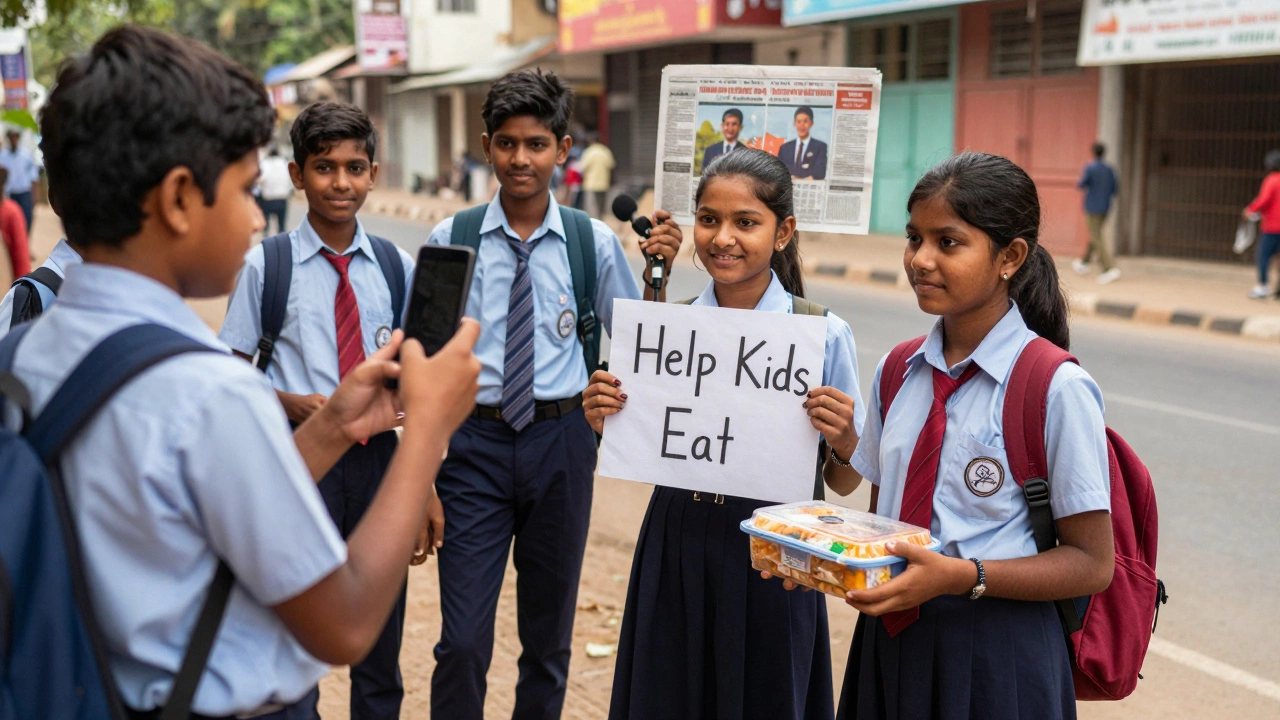
People don’t share events because they’re asked. They share them because they feel something. A photo of a child holding a donated backpack with a note from their teacher? That’s promotion. A local radio host telling the story of a volunteer who helped 12 families find housing? That’s promotion. A TikTok video of a 7-year-old selling lemonade with a sign that says, "For kids who don’t get lunch"? That’s viral promotion.
Don’t rely on your newsletter. Don’t just tag influencers. Find the real storytellers-the teachers, the nurses, the neighbors who’ve seen your charity in action. Give them the tools: a short video clip, a quote they can use, a simple hashtag. Then get out of the way. Let them talk.
Also, timing matters. If your event is in June, don’t start promoting in May. Start in March. People plan ahead. If you’re targeting students, hit them before exam season ends. If you’re going after retirees, reach them when they’re settling into their routines after winter.
Place: Where Does Your Audience Live-Really?
Place isn’t just the venue. It’s where your people are, physically and digitally.
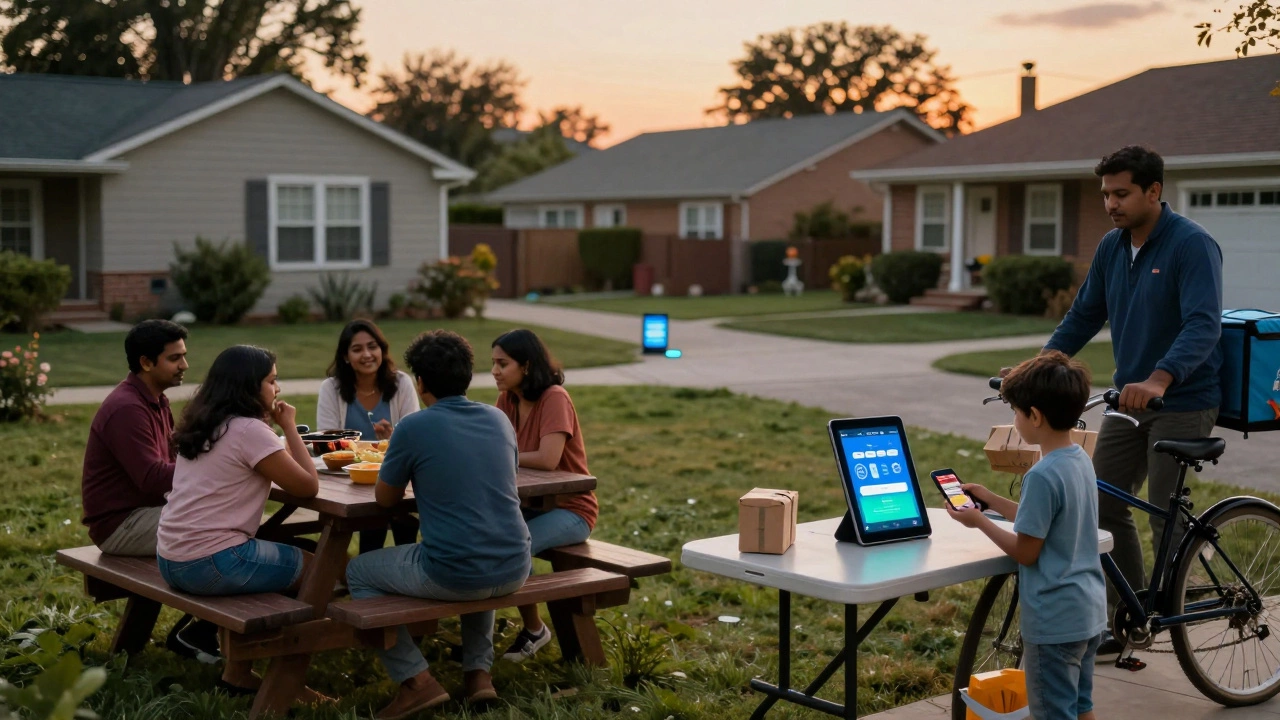
Hosting a gala at a fancy hotel downtown might look impressive. But if your donors are mostly parents in the suburbs, they’re not driving in for an hour just to eat steak. A community center, a school hall, or even a backyard BBQ might get 3x the attendance.
And don’t ignore online space. If you’re selling tickets, make sure your donation page loads fast on a phone. If you’re asking people to share, make sure your social links are easy to copy. If your event is hybrid, test the tech. A glitchy Zoom link ruins trust faster than a bad donation form.
Also, consider cultural place. In some communities, events held on weekends are more successful. In others, weekday evenings work better. Talk to local leaders. Ask. Don’t guess.
Putting It All Together: A Real Example
Let’s say you’re running a charity to feed kids during school holidays in a regional town. Here’s how the 4 P's work together:
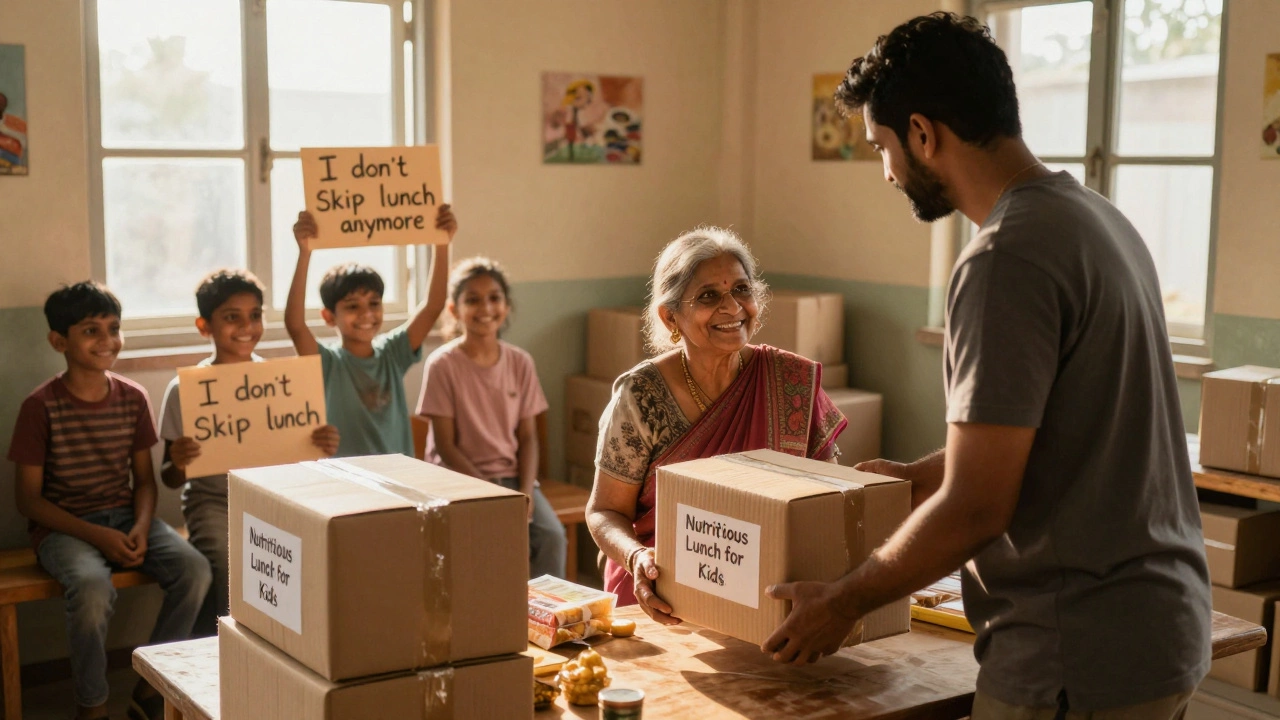
- Product: A week of hot, nutritious meals for 200 children who rely on school lunches.
- Price: $20 per meal pack (or pay what you can). Volunteers sign up for 2-hour shifts. No one pays to attend.
- Promotion: Local high school students film short videos of kids saying, "This means I don’t have to skip lunch." Posted on TikTok and Facebook. The local paper runs a story. The mayor shares it.
- Place: Meals are packed at the community center and delivered by volunteers to neighborhoods. Online donations go through a simple mobile form.
Result? 320 meal packs raised in 10 days. No big sponsors. No PR firm. Just clear, simple, human-focused planning.
Common Mistakes (And How to Fix Them)
Here’s what most charities get wrong-and how to avoid it:
- Mistake: Focusing on the event, not the impact. Fix: Always lead with the outcome. "You’re feeding kids," not "You’re coming to our picnic."
- Mistake: Setting prices based on what they did last year. Fix: Survey your audience. Ask: "What would you realistically give?"
- Mistake: Posting the same message everywhere. Fix: Tailor your message. Facebook for parents. Instagram for teens. WhatsApp for older donors.
- Mistake: Choosing a venue because it’s "prestigious." Fix: Choose based on accessibility. Can people get there? Can they bring kids? Is there parking? Is it wheelchair-friendly?
Final Thought: The 4 P's Are a Loop, Not a Checklist
Don’t treat the 4 P's like a to-do list you check off. They feed into each other. A great product makes promotion easier. A low price opens up more places. Good promotion tells you what product people really want.
After your event, go back. Ask: What worked? What didn’t? What did people say? Use that to tweak next year. The 4 P's aren’t magic. They’re just common sense dressed in business terms. And when you use them, your charity doesn’t just survive-it grows.
Are the 4 P's only for big charities?
No. The 4 P's work for any charity, no matter the size. A neighborhood food drive, a school fundraiser, or a single parent’s bake sale can all use these four elements. Small groups often do better because they’re closer to their audience and can adjust faster.
Can I use the 4 P's for online fundraising?
Absolutely. Online campaigns rely even more on these four elements. Your product is the cause you’re supporting. Your price is the donation amount or time you’re asking for. Your promotion is your social media posts, emails, and stories. Your place is your website, donation platform, or social channels. Make sure all four are clear and easy to use.
What if my charity has multiple programs? Which product do I focus on?
Focus on one program per event. Trying to promote five causes at once confuses people. If you’re running a fundraiser for your animal shelter, don’t mix in your literacy program. Run a separate event for that. People give more when they know exactly where their money goes.
Do I need to charge money for my event?
No. Many successful charity events are free to attend but ask for donations. The "price" can be time, effort, or a voluntary contribution. The key is making it easy and meaningful for people to give something-whether it’s money, skills, or their voice.
How do I know if my promotion is working?
Track where your donations or sign-ups are coming from. Use a simple Google Form or donation platform that lets you tag sources: "Facebook," "Word of Mouth," "School Newsletter." After the event, see which channel brought the most. That’s your best promotion. Double down on it next time.
Next Steps for Your Next Event
Before you plan your next charity event, take 20 minutes and answer these four questions:
- What specific change will this event create? (Product)
- What’s the lowest barrier for someone to join or give? (Price)
- Who’s already talking about this cause? How can I help them spread the word? (Promotion)
- Where do my people actually spend their time-online and offline? (Place)
Write down your answers. Keep them visible. Every decision you make from now on should tie back to one of these four. That’s how you stop guessing-and start getting results.