
Community Outreach Strategy Builder
Step 1: Define Your Goal & Audience
Effective outreach starts with clarity. Avoid vague goals like "helping the community." Be specific about who you are reaching and what you want to achieve.
Age, income level, language spoken
Where they live, work, or gather
Outreach Ready!
Your strategy shows strong potential for building real connections.
You hear the phrase "community outreach" thrown around in boardrooms, school newsletters, and corporate mission statements. It sounds important. It feels good. But if you strip away the buzzwords, what is it actually doing? Community outreach is the active process of an organization or group connecting with people outside its immediate circle to build relationships, share resources, or solve a specific problem. It isn't just sending out flyers or posting on social media. It’s showing up.
Think of it like this: If your organization is a house, outreach is opening the front door and inviting neighbors in for coffee. You aren't just broadcasting that you exist; you are listening to what they need and figuring out how you can help each other. Without that two-way street, you don’t have outreach. You have advertising.
The Core Difference: Outreach vs. Engagement
People often use these terms interchangeably, but there is a distinct difference that changes how you plan your work. Understanding this split is crucial for anyone trying to make a real impact.
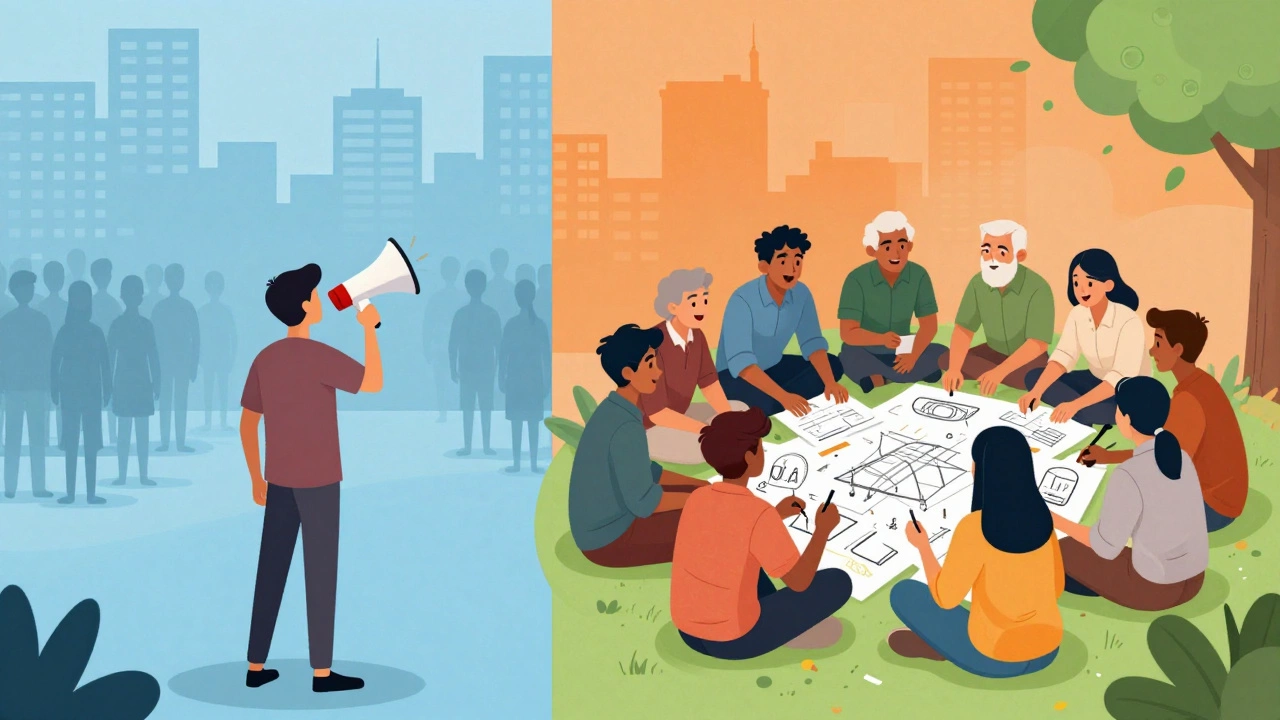
Outreach is usually one-to-many. It’s the initial contact. It’s casting a net to let people know you are here and what you do. Examples include hosting a free health screening at a local park, distributing food parcels during a crisis, or running a public awareness campaign about recycling. The goal is visibility and access.
Engagement, on the other hand, is many-to-many. It happens after the initial contact. It’s when the neighbor stays for coffee and starts helping you bake the next batch of cookies. Engagement involves collaboration, shared decision-making, and long-term partnership. If you run a youth center, outreach is telling teens about your open gym nights. Engagement is asking those teens to help design the schedule for the next semester.
Most successful programs start with outreach and aim for engagement. If you stop at outreach, you might get attention. If you move to engagement, you get loyalty and sustainable change.
Why Organizations Do It (And Why It Matters)
You might wonder why a business, a school, or a charity would spend time and money going out into the community instead of just focusing on their internal goals. The reasons are practical, not just altruistic.
- Trust Building: In an era where people are skeptical of institutions, face-to-face interaction builds credibility. When a company sponsors a local clean-up day, residents see them as neighbors, not just tax-paying entities.
- Market Insight: For businesses, outreach is research. By talking to locals, you learn what products they actually want or what services are missing. This data is gold for product development.
- Talent Pipeline: Schools and universities use outreach to attract students from diverse backgrounds. It helps them identify potential talent early and remove barriers to entry.
- Crisis Mitigation: When problems arise-like a factory closure or a natural disaster-organizations with strong community ties recover faster because they have established lines of communication.
For nonprofits, it’s even more critical. They rely on the goodwill and support of the public. Effective outreach ensures that donors understand the mission and volunteers feel connected to the cause.
Types of Community Outreach Programs
Outreach looks different depending on who is doing it. Here are the most common forms you will encounter in 2026.
1. Corporate Social Responsibility (CSR) Initiatives
Companies organize events or donate resources to align with social causes. This could be a tech firm providing coding workshops to underprivileged schools or a retail chain donating unsold clothing to shelters. The key here is alignment-the cause should match the company’s values to avoid accusations of "cause-washing."
2. Educational Outreach
Schools, libraries, and museums extend their services beyond their walls. A library might bring books to nursing homes. A university might offer free financial literacy seminars for new immigrants. The goal is to democratize access to knowledge and resources.
3. Health and Wellness Campaigns
Hospitals and health NGOs conduct screenings, vaccination drives, or mental health first-aid training in community centers. These programs target populations that might not otherwise seek care due to cost, transportation issues, or stigma.
4. Environmental Stewardship
This includes tree planting days, beach clean-ups, or urban gardening projects. These activities not only improve the physical environment but also foster a sense of collective ownership among residents.
How to Plan a Successful Outreach Strategy
If you are tasked with creating an outreach program, don’t just guess. Follow a structured approach to ensure your efforts land effectively.
- Define Your Goal: What do you want to achieve? Is it brand awareness? Recruiting volunteers? Distributing aid? Be specific. "Helping the community" is too vague. "Distributing 500 winter coats to homeless individuals by December" is actionable.
- Identify Your Audience: Who exactly are you trying to reach? Age? Location? Income level? Language spoken? Don’t assume "everyone" is your audience. Targeting allows for better messaging.
- Choose the Right Channel: Where does your audience hang out? If you’re targeting seniors, Facebook groups and local newspapers might work best. For Gen Z, TikTok and Instagram Reels are essential. Don’t put all your eggs in one basket, but prioritize based on data.
- Create Compelling Content: Your message should be clear, concise, and empathetic. Avoid jargon. Use stories. People connect with humans, not logos. Show, don’t just tell.
- Partner Locally: Collaborate with existing community leaders, churches, schools, or local businesses. They already have trust. Leveraging their networks amplifies your reach significantly.
- Measure and Adapt: Track attendance, feedback, and outcomes. Did people show up? Did they stay engaged? Use surveys and interviews to learn what worked and what didn’t. Adjust your strategy accordingly.
Common Pitfalls to Avoid
Even well-intentioned outreach can fail if you stumble into these traps.
| Mistake | Why It Fails | Better Approach |
|---|---|---|
| Being Transactional | People smell desperation or pure self-interest. If you only ask for donations or sign-ups without giving value first, they will tune out. | Offer something first: free advice, resources, entertainment, or simply a listening ear. |
| Ignoring Cultural Nuances | Assuming one size fits all can lead to offense or exclusion. Different communities have different norms, holidays, and communication styles. | Consult cultural liaisons or community elders before launching campaigns. Translate materials accurately. |
| No Follow-Up | Showing up once and disappearing makes you look unreliable. It damages trust. | Establish a consistent presence. Send thank-you notes. Share updates on how their participation helped. |
| Over-Promising | If you promise big results you can’t deliver, you lose credibility permanently. | Set realistic expectations. Under-promise and over-deliver whenever possible. |
The Role of Digital Tools in Modern Outreach
In 2026, digital tools are indispensable, but they shouldn’t replace human connection. They enhance it.
Social media platforms allow for rapid dissemination of information. However, algorithms favor engagement, so your content needs to spark conversation. Live streams, Q&A sessions, and interactive polls can bridge the gap between online and offline worlds.
Data analytics help you refine your targeting. You can see which demographics are clicking your ads, which times of day yield the most responses, and which messages resonate. Use this data to personalize your outreach. A generic email blast is less effective than a personalized message referencing a previous interaction.
Virtual reality (VR) and augmented reality (AR) are emerging tools for immersive experiences. Imagine a nonprofit using VR to transport donors to the field sites where their contributions are making a difference. This creates emotional resonance that photos alone cannot achieve.
Measuring Success: Beyond Vanity Metrics
It’s tempting to judge success by likes, shares, or event attendance numbers. These are vanity metrics. They look good on a report but don’t necessarily indicate impact.
Instead, focus on outcome-based metrics:
- Behavior Change: Did participants adopt the recommended behavior? (e.g., started recycling, attended follow-up appointments)
- Relationship Depth: Did attendees become volunteers or donors? Did they refer others?
- Community Feedback: What did participants say about the experience? Qualitative feedback reveals nuances that numbers miss.
- Long-Term Retention: Are people coming back? High retention indicates genuine value.
Use surveys, interviews, and observation to gather this data. Combine quantitative and qualitative insights for a holistic view of your impact.
Real-World Example: Sydney’s Local Food Bank
Consider a hypothetical food bank in Sydney. Their initial outreach was simple: distributing flyers at bus stops. Attendance was low. They realized their target audience-low-income families-didn’t always carry wallets or had limited mobility.
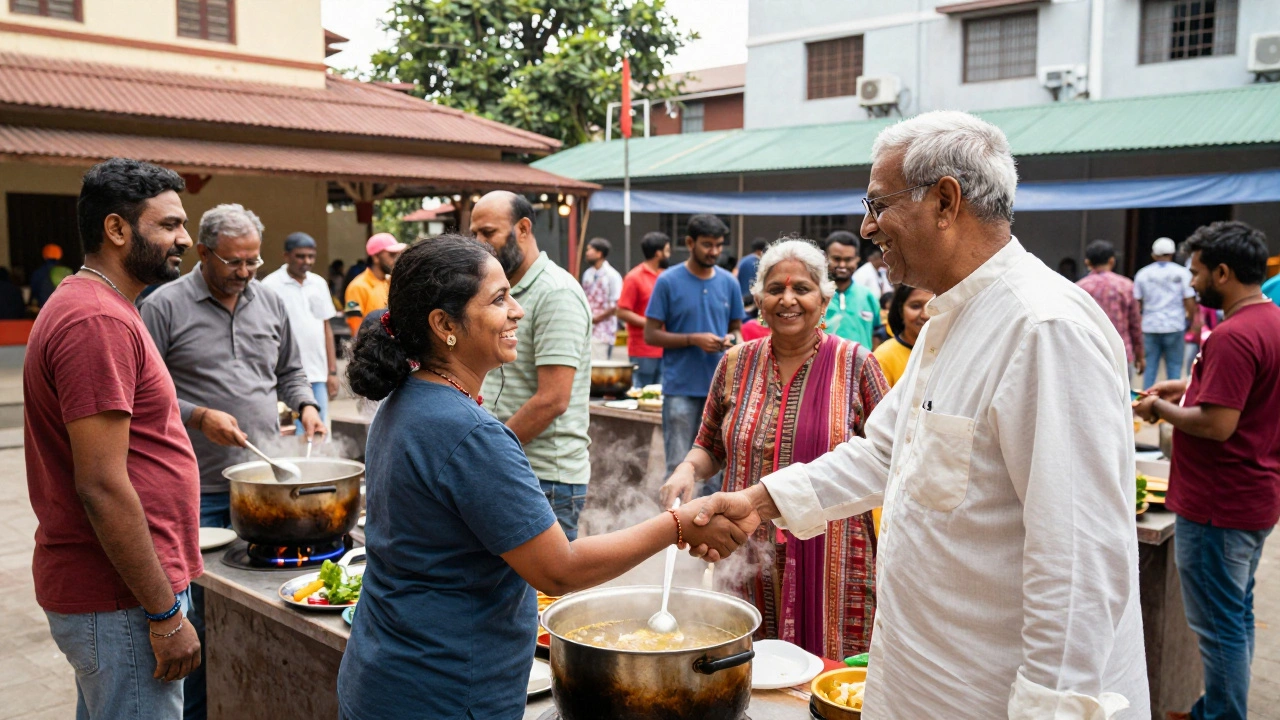
They pivoted. They partnered with local primary schools to distribute info via parent-teacher associations. They offered mobile pickup services for elderly clients. They hosted "community cook-offs" using donated ingredients, turning a transactional act (getting food) into a social event (learning to cook together). Attendance soared. Trust grew. Volunteers signed up because they saw the genuine connection being built. This shift from transactional to relational outreach transformed their operation.
Is community outreach only for nonprofits?
No. Businesses, schools, government agencies, and even individuals engage in community outreach. For corporations, it’s often part of CSR strategies. For schools, it’s about building partnerships with parents and local organizations. The core principle-connecting with the community to create mutual benefit-applies across sectors.
How much budget do I need for effective outreach?
You can start with very little. Word-of-mouth, social media, and volunteer time are powerful tools. While paid advertising can amplify reach, authentic connections often come from personal interactions and grassroots efforts. Focus on creativity and consistency rather than just spending power.
What is the difference between outreach and marketing?
Marketing is primarily about selling a product or service to generate revenue. Outreach is about building relationships and providing value, often without an immediate financial return. While marketing aims for conversion, outreach aims for connection and trust. However, the lines can blur, especially in corporate settings where brand reputation is a key asset.
How do I measure the ROI of community outreach?
ROI (Return on Investment) in outreach isn’t always monetary. Look at social ROI: increased volunteer hours, enhanced brand reputation, improved community health indicators, or stronger stakeholder relationships. Use both quantitative data (attendance, survey scores) and qualitative feedback (stories, testimonials) to demonstrate value.
Can digital outreach replace face-to-face interaction?
Digital tools are excellent for scale and convenience, but they cannot fully replicate the depth of face-to-face connection. Human empathy, body language, and spontaneous dialogue are harder to convey online. The most effective strategies blend digital efficiency with in-person authenticity.