Eco-Quick Win Calculator
Discover the power of "low-hanging fruit." Enter your household details to see how simple actions—like using smart strips or fixing a dripping faucet—translate into real savings.
1. Household Profile
2. Current Habits & Actions
Your Annual Impact Potential
Money Saved
$0
Per Year
Water Saved
0
Gallons Per Year
CO2 Avoided
0
Pounds Per Year
You probably think solving climate change requires billion-dollar infrastructure projects or global treaties signed by world leaders. But what if the biggest hurdle isn’t technology or politics, but simply getting people to stop leaving the lights on?
When we talk about the easiest environmental problem to solve, we aren't referring to melting ice caps or ocean acidification. We are talking about low-hanging fruit-issues where individual action yields immediate, measurable results with minimal cost and effort. These are the "quick wins" of sustainability. They don't require you to buy an electric car or install solar panels tomorrow. They require a shift in habit.
The Power of Low-Effort, High-Impact Actions
Why focus on the easy stuff? Because complexity paralyzes. When people feel overwhelmed by the scale of environmental crises, they often disengage entirely. Psychologists call this "eco-anxiety," and it leads to inaction. By tackling simple problems, we build momentum. Success breeds success. Once you realize your small choices matter, you’re more likely to tackle harder ones later.
Consider energy conservation. It’s not just about saving money on your utility bill; it’s about reducing demand on power plants that burn coal and natural gas. The infrastructure exists. The behavior is simple. The impact is real. This makes it a prime candidate for the title of "easiest problem." Unlike plastic pollution, which requires systemic changes in manufacturing and waste management, turning off unused electronics is entirely within your control right now.
Energy Waste: The Silent Culprit
Let’s look at household energy consumption. According to the U.S. Department of Energy, residential buildings account for nearly 20% of total energy use in the United States. A significant chunk of this is "phantom load"-energy consumed by devices even when they are turned off but still plugged in. Televisions, computers, and chargers sip electricity 24/7. This wasted energy contributes directly to greenhouse gas emissions.
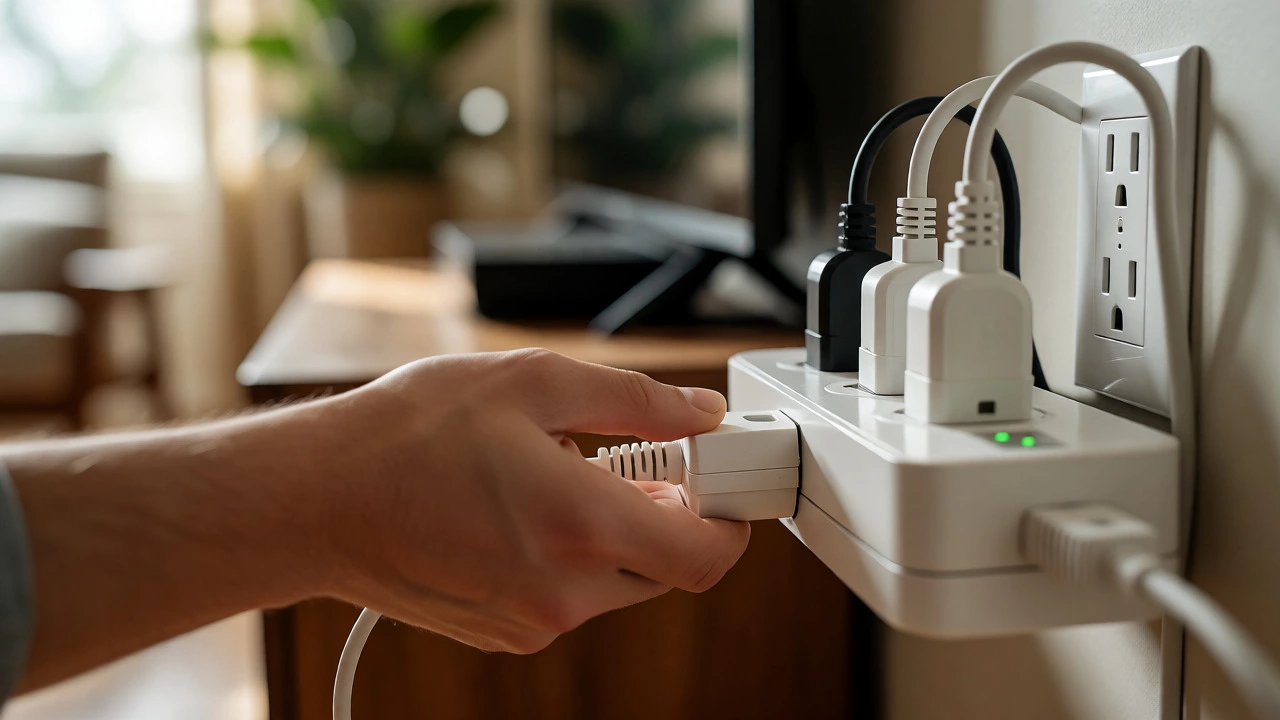
Solving this doesn't need new tech. It needs smart strips. A standard power strip cuts the flow of electricity to multiple devices with one switch. If every household in a city used smart strips for their entertainment centers, the collective reduction in carbon footprint would be substantial. It’s cheap, effective, and takes five minutes to set up. Compare this to replacing all light bulbs with LEDs, which also helps but has diminishing returns as most homes have already made the switch.
| Problem Area | Effort Level | Cost to Implement | Immediate Impact | Scalability |
|---|---|---|---|---|
| Phantom Energy Load | Low (Plug in/unplug) | $5-$15 per home | High (Instant savings) | Very High |
| Food Waste | Moderate (Planning/Cooking) | Free (Saves money) | High (Methane reduction) | High |
| Single-Use Plastics | Moderate (Behavioral change) | Low (Reusable bags/bottles) | Moderate (Visible reduction) | Moderate |
| Water Leakage | Low (Fixing drips) | $0-$20 (Washer/O-ring) | High (Resource preservation) | High |
Food Waste: Eating Your Way to Sustainability
If energy is the silent culprit, food waste is the loud one. Roughly one-third of all food produced globally is lost or wasted. In landfills, rotting food produces methane, a greenhouse gas 80 times more potent than CO2 over a 20-year period. This makes food waste a disproportionately large contributor to climate change relative to its visibility.
Why is this considered "easy"? Because you already interact with food daily. You don’t need new knowledge, just better awareness. Meal planning reduces impulse buys. Proper storage extends shelf life. Composting diverts organic matter from landfills. Each step is intuitive. For many households, reducing food waste actually saves money, creating a positive feedback loop. You spend less, throw away less, and emit less. It’s a triple win.
Start small. Check your fridge weekly. Use the "first in, first out" method. Freeze leftovers instead of tossing them. These micro-decisions compound. Imagine if every family reduced their food waste by 10%. The aggregate effect on landfill mass and methane emissions would be staggering. And unlike recycling, which relies on municipal systems, food waste management starts and ends in your kitchen.
Water Conservation: Fixing the Drip
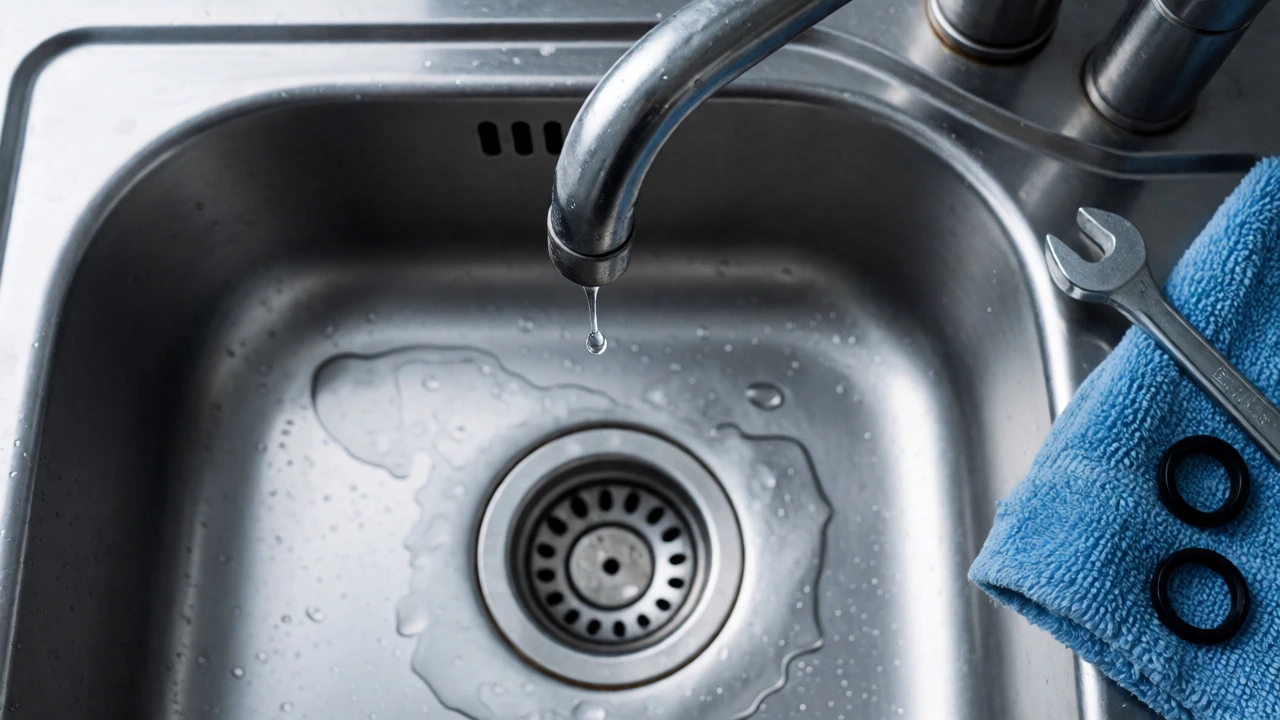
We often take water for granted, assuming it’s abundant. But treating and pumping water consumes massive amounts of energy. A dripping faucet might seem trivial, but it can waste thousands of gallons a year. Multiply that by millions of homes, and you have a serious resource drain.
The solution here is mechanical simplicity. Replacing a worn-out washer or O-ring costs pennies and takes ten minutes. There’s no learning curve. No subscription fees. Just a wrench and a trip to the hardware store. Many local water utilities offer free leak-detection kits. This accessibility makes water conservation one of the most approachable environmental actions available. It’s tangible. You see the drop stop. You hear the silence. That sensory feedback reinforces the behavior.
Transportation Choices: Walking Short Trips
Not everyone can afford an EV or live near reliable public transit. But almost everyone walks sometimes. Shifting short trips-under two miles-from cars to walking or biking is surprisingly impactful. Cars are least efficient during cold starts, meaning short drives burn fuel disproportionately. By choosing to walk to the corner store, you avoid these inefficient cycles entirely.
This isn’t about banning cars. It’s about optimizing usage. It improves health, reduces noise pollution, and cuts emissions. Cities like Copenhagen and Amsterdam prove that cycling infrastructure works, but individuals can start today without waiting for bike lanes. Put on your shoes. Leave the keys. Feel the difference. It’s an immediate reconnection with your environment, literally and figuratively.
Building Momentum Through Community
Individual actions matter, but they gain power when shared. When you fix a leak, tell your neighbor. When you compost, show them the bin. Social norms drive behavior faster than regulations. Seeing peers adopt easy eco-habits creates a ripple effect. Local community groups often organize tool libraries or seed swaps, lowering the barrier to entry for others.
Environmental groups play a crucial role here. They provide education, resources, and validation. Joining a local cleanup crew or a gardening club turns solitary acts into social events. This combats isolation and builds resilience. People stick with habits when they feel part of a movement. Start with the easy problems. Master them. Then invite others along. The cumulative effect of millions of small, easy victories outweighs a few heroic, difficult ones.
Frequently Asked Questions
Is reducing energy use really the easiest environmental problem to solve?
Yes, largely because it requires minimal financial investment and technical skill. Simple actions like using power strips, switching to LED bulbs, and adjusting thermostats yield immediate results. Unlike industrial pollution, which requires regulatory enforcement, household energy efficiency is directly controlled by the consumer.
How does food waste contribute to climate change?
When food rots in landfills, it decomposes anaerobically, producing methane. Methane is a potent greenhouse gas, trapping heat much more effectively than carbon dioxide in the short term. Reducing food waste lowers methane emissions and saves the resources (water, land, energy) used to produce that food.
Do reusable bags make a significant difference?
Individually, the impact is modest compared to energy or food waste. However, collectively, they reduce plastic pollution and the fossil fuels used to manufacture single-use plastics. Their main value is symbolic-they signal a commitment to sustainability and encourage further eco-friendly behaviors.
What is phantom load and how do I stop it?
Phantom load, or standby power, is electricity consumed by devices when they are off but plugged in. You can stop it by unplugging devices manually or, more conveniently, by plugging them into a smart power strip that cuts power when the primary device is turned off.
Can fixing leaks save enough water to matter?
Absolutely. A single dripping faucet can waste over 3,000 gallons per year. Across a neighborhood, unaddressed leaks represent a significant loss of treated water, which also saves the energy required for pumping and treatment.
Next Steps for Quick Wins
Ready to start? Pick one area. Don’t try to overhaul your entire lifestyle overnight. Choose the path of least resistance. If you’re handy, check your faucets. If you cook regularly, audit your fridge. If you watch TV, get a power strip. Small steps lead to lasting change. The easiest environmental problem to solve is the one you solve today.