
Volunteer Role Matcher
Not sure where to start? Answer these three questions to find a role that fits your life.
Role Title
Description goes here.
Typical Commitment
Time commitment details.
Skills Needed
Required skills.
Pro Tip for this Role
Specific advice.
Most people think applying for a volunteering position is just showing up and asking what needs to be done. It’s not. Nonprofits are understaffed, overworked, and cautious about who they let into their communities. They don’t have the luxury of training someone on the fly if that person isn’t a good fit. So, how do you actually get in? You treat it like a job application, but with a heart-centered twist.
If you’ve ever wanted to help out at a local shelter, join an environmental cleanup crew, or support a youth mentorship program, you need a strategy. This guide breaks down exactly how to find, apply for, and land a volunteering position that matches your skills and passion.
Key Takeaways
- Treat volunteering like a professional job hunt: research, tailor your resume, and prepare for interviews.
- Identify your specific skills (hard and soft) before looking for roles to increase your chances of acceptance.
- Network locally and online; many positions are filled through word-of-mouth before they’re posted publicly.
- Follow up politely after applying; nonprofits appreciate persistence and genuine interest.
1. Define Your Volunteer Identity
Before you start clicking "Apply" on random websites, take a step back. Who are you as a volunteer? What can you offer that money can’t buy? Nonprofits aren’t just looking for bodies; they’re looking for solutions. Do you speak Spanish? Can you fix computers? Are you great at organizing events or calming down upset children?
Start by listing your hard skills-things like graphic design, accounting, coding, or carpentry. Then list your soft skills-empathy, leadership, communication, and patience. Once you have this list, you can target organizations that actually need those specific abilities. For example, if you’re good at social media marketing, look for small charities struggling to build their online presence. If you love animals, look for shelters that need foster coordinators rather than just dog walkers.
This self-audit saves time. Instead of sending generic applications to ten different places, you send three targeted ones where you know you’ll add immediate value.
2. Where to Find Real Opportunities
Finding legitimate volunteering positions requires digging deeper than just scrolling through social media feeds. Here are the most effective channels:
- Volunteer Match: One of the largest databases connecting volunteers with nonprofits. You can filter by cause, location, and even remote options.
- Idealist: Great for finding both volunteer and paid mission-driven jobs. It’s heavily used by larger NGOs and international organizations.
- Local Community Centers: Libraries, community centers, and religious institutions often post flyers or have bulletin boards with immediate needs. These are less formal but highly impactful.
- Direct Outreach: Identify a nonprofit you admire and email them directly. Ask if they have volunteer coordinator contacts. Many smaller groups don’t advertise because they manage volunteers manually.
Avoid sites that ask you to pay for a "volunteer placement." Legitimate volunteering never costs you money upfront. If a site asks for a fee, it’s likely a scam or a travel agency disguised as a charity.
3. Tailor Your Resume and Cover Letter
Yes, you need a resume for volunteering. While it doesn’t need to be perfect, it should show reliability and relevant experience. Include past volunteer work, internships, school projects, or even personal initiatives. Highlight transferable skills. Did you organize a birthday party for your nephew? That’s event planning. Did you tutor a friend in math? That’s education support.
Your cover letter is where you shine. Don’t just repeat your resume. Explain why you want to volunteer with this specific organization. Mention their recent projects. Show that you’ve done your homework. For instance, if you’re applying to a food bank, mention their new distribution model or a recent campaign they ran. This shows genuine interest, not just box-checking.
Keep it concise. One page for the resume, half a page for the cover letter. Nonprofit staff are busy; they appreciate brevity and clarity.
4. Prepare for the Interview
Many people assume volunteering interviews are casual chats. Sometimes they are. But often, especially for roles involving vulnerable populations (children, elderly, homeless individuals), the interview is rigorous. They need to ensure safety and compatibility.
Expect questions like:
- "Why do you want to volunteer here?"
- "Describe a time you handled a difficult situation."
- "What are your availability constraints?"
Prepare answers using the STAR method (Situation, Task, Action, Result). Be honest about your schedule. If you can only commit two hours a week, say so. Overpromising and underdelivering hurts the organization more than saying no from the start.
Dress appropriately. Business casual is usually safe. You don’t need a suit, but don’t show up in pajamas either. Respect the process.
5. Background Checks and Paperwork
Once you pass the interview, expect paperwork. Most reputable nonprofits require background checks, especially if you’ll be working with minors or handling sensitive data. This isn’t personal; it’s liability protection.
Be patient. Background checks can take days or weeks. Fill out all forms completely. Provide accurate contact information for references. Follow up if you haven’t heard back in two weeks. A polite email asking about the status shows professionalism.
You may also need to sign confidentiality agreements or attend mandatory training sessions. These are normal parts of the onboarding process. Attend every session. They teach you protocols that keep everyone safe.

6. Comparison: Types of Volunteering Roles
| Role Type | Typical Commitment | Skills Needed | Best For |
|---|---|---|---|
| Direct Service (e.g., serving meals) | Flexible shifts (2-4 hours) | Empathy, physical stamina | People who want immediate impact |
| Skill-Based (e.g., pro bono legal advice) | Project-based or hourly | Professional expertise | Career professionals wanting to give back |
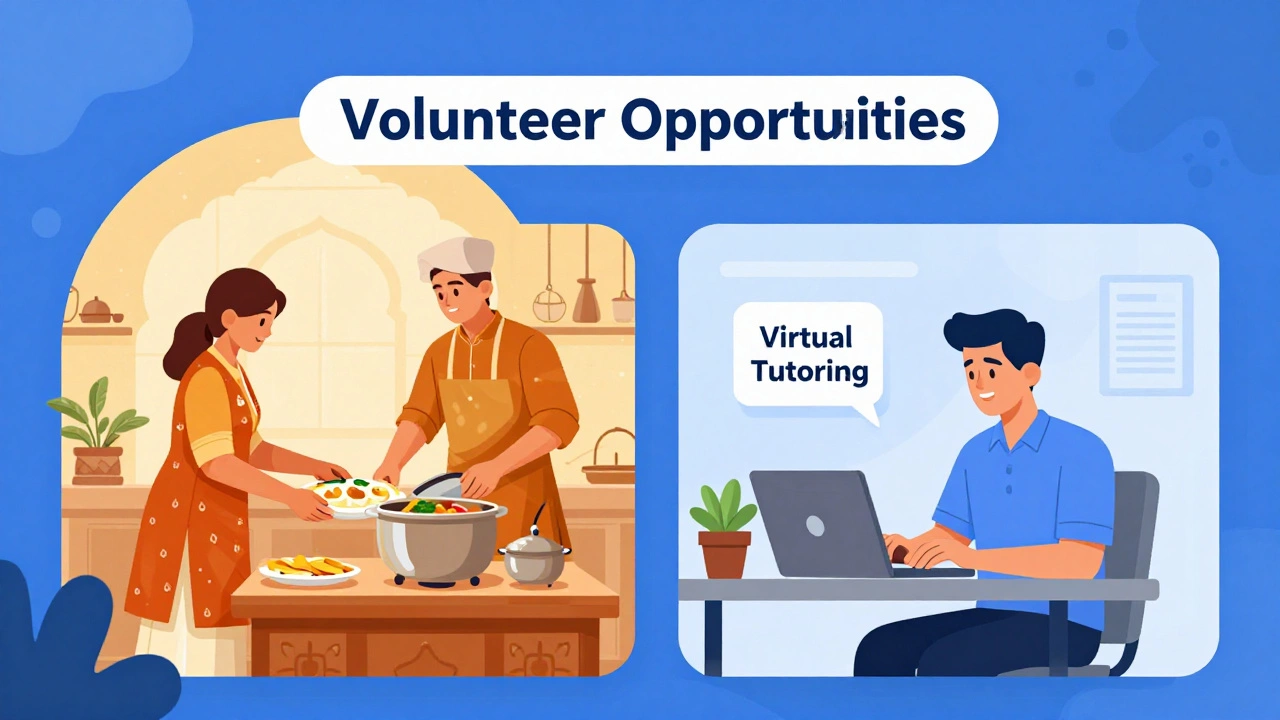
| Remote/Virtual (e.g., transcription, tutoring) | Self-paced | Computer literacy, discipline | Those with limited mobility or tight schedules |
| Event Support (e.g., fundraising galas) | One-time or seasonal | Teamwork, customer service | Short-term contributors |
7. Common Pitfalls to Avoid
Even well-intentioned volunteers can make mistakes. Here’s what to avoid:
- Flaking out: If you say you’ll be there, be there. Last-minute cancellations disrupt operations and frustrate staff.
- Assuming you know best: Listen to the staff. They know their community better than you do. Don’t impose your ideas without understanding the context.
- Overcommitting: Start small. It’s easier to increase your hours later than to reduce them when you’re burned out.
- Ignoring boundaries: Respect privacy rules. Never share photos or stories of beneficiaries on social media unless explicitly permitted.
Volunteering is a partnership. The organization provides the mission; you provide the energy. Both sides must respect each other.
8. Next Steps After Acceptance
Once you’re accepted, introduce yourself to the team. Learn names. Ask questions. Observe before acting. In your first few shifts, focus on learning the culture and workflow. Don’t try to change everything on day one.
Set goals with your volunteer coordinator. What do you hope to achieve? How can you grow in this role? Regular check-ins help ensure you’re still engaged and making a difference.
Finally, reflect. Journaling about your experiences helps you process emotions and identify areas for improvement. Volunteering can be emotionally taxing. Self-care is part of the job.
Do I need prior experience to volunteer?
Not always. Many organizations provide training for entry-level roles. However, having some relevant experience-even informal-can make your application stand out. Highlight transferable skills from school, work, or personal life.
How long does the application process take?
It varies. Simple roles might take a few days. Roles requiring background checks or specialized training can take several weeks. Always follow up politely if you haven’t heard back within two weeks.
Can I volunteer remotely?
Yes. Many nonprofits offer virtual roles like content creation, data entry, or online tutoring. Look for "remote" or "virtual" filters on volunteer platforms. Ensure you have reliable internet and a quiet workspace.
What if I’m rejected?
Rejection happens. It doesn’t mean you’re unworthy. It might mean the role is full, or they need specific skills right now. Ask for feedback if possible, and try another organization. Persistence pays off.
Is volunteering tax-deductible?
In many countries, out-of-pocket expenses related to volunteering (like mileage or supplies) can be deducted. Keep receipts. Consult a tax professional for specific advice based on your location and circumstances.