Homelessness Cost Comparison Calculator
How This Program Saves Taxpayers
The article shows that keeping someone in emergency shelters costs $12,000 annually versus $4,000 for Rapid Re-Housing. Calculate your community's potential savings.
More than 3,000 people in Arkansas are sleeping on the streets or in shelters on any given night. For many, the path out of homelessness doesn’t start with a job interview or a counseling session-it starts with a roof over their head. That’s where the Rapid Re-Housing program comes in. It’s not a shelter. It’s not a long-term subsidy. It’s a fast, practical way to get people into stable housing, fast.
How Rapid Re-Housing Works in Arkansas
Rapid Re-Housing in Arkansas is part of a national effort funded by the U.S. Department of Housing and Urban Development (HUD), but it’s run locally by nonprofits and public agencies. The goal is simple: get someone out of homelessness and into a rental unit within days or weeks, not months or years.
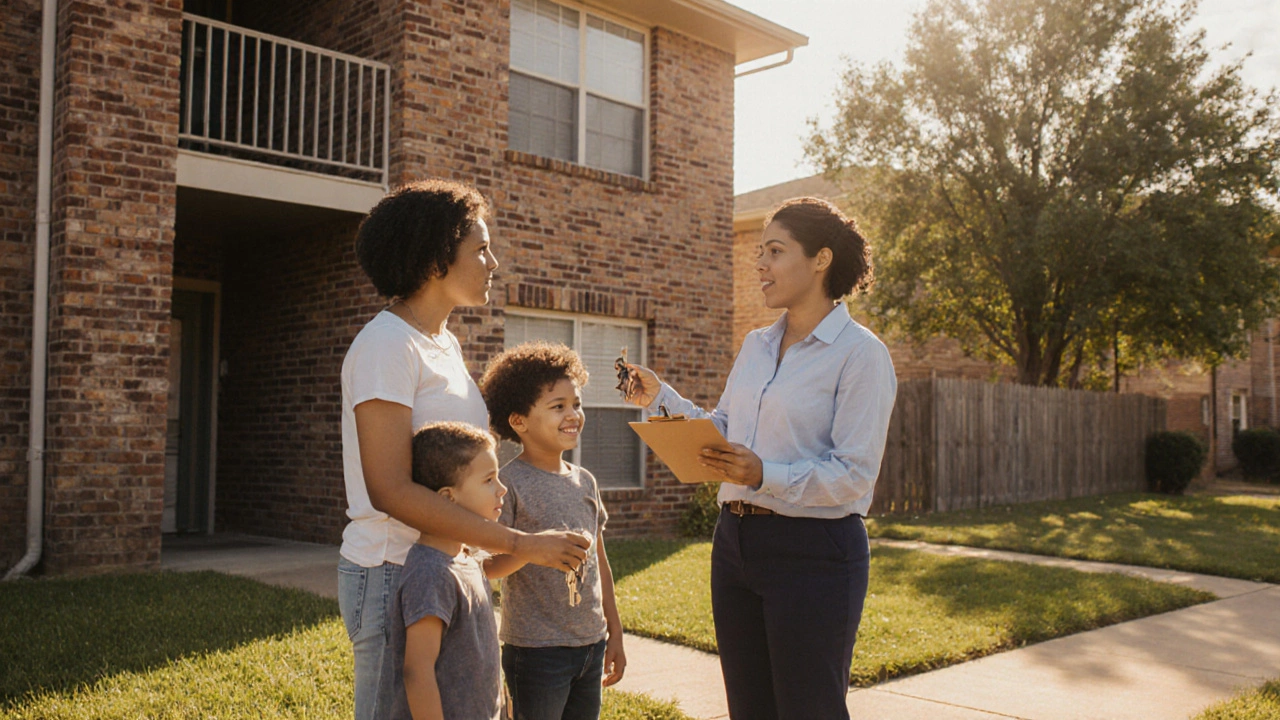
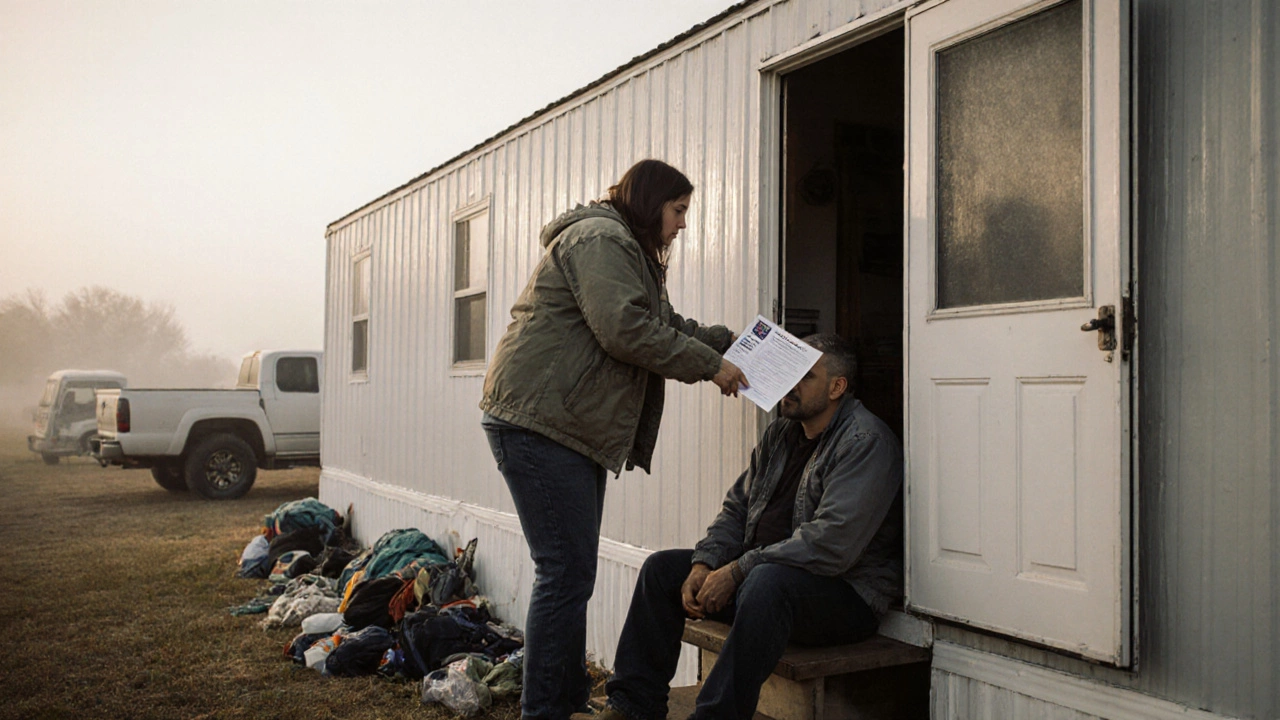
Here’s how it actually works. A case manager meets with a person or family who’s homeless. They assess their needs-job status, income, children, medical issues, past housing history. Then, instead of placing them in a shelter for months, the program helps them sign a lease. The program pays for the first few months of rent, sometimes up to six months. It also covers security deposits and utility setup fees. Most importantly, it provides ongoing support: help finding a job, connecting to mental health services, or just showing up to help fill out paperwork.
This isn’t charity. It’s cost-effective. Studies from the U.S. Interagency Council on Homelessness show that keeping someone in permanent housing for a year costs about $12,000 less than keeping them in emergency shelters, hospitals, and jails. Arkansas has seen a 27% drop in chronic homelessness since launching its expanded Rapid Re-Housing program in 2022.
Who Qualifies?
You don’t need to be a U.S. citizen to qualify. You don’t need to have a job. You don’t even need to have perfect credit. The only real requirement is that you’re experiencing homelessness-sleeping in a car, a shelter, a friend’s couch, or on the street.
The program prioritizes those who’ve been homeless the longest or have the most barriers. That includes veterans, people with disabilities, families with children, and survivors of domestic violence. But if you’re sleeping outside and you’re ready to move, you’re eligible.
Some people think you have to be "ready" to get housed. That’s a myth. Rapid Re-Housing doesn’t require sobriety, employment, or mental health stability first. It gives you housing first, then support. That’s the key difference from older models that made people jump through hoops before they could get a place.
Where It’s Available
Rapid Re-Housing isn’t just in Little Rock or Fayetteville. It’s active in 12 counties across Arkansas, including rural areas like Crittenden, Sebastian, and Pulaski. Local Continuums of Care-groups of nonprofits, city officials, and health agencies-coordinate the effort.
In Jonesboro, the program works with the Salvation Army and local landlords to find apartments. In Hot Springs, they partner with the Arkansas Coalition to End Homelessness to cover deposits and provide case management. Even in smaller towns like El Dorado and Pine Bluff, outreach teams drive to shelters and encampments to connect people with help.
There’s no single website to apply. You have to go through a local provider. Most counties list their contacts on the Arkansas Department of Human Services website. Or you can call 211-a free, statewide hotline that connects people to housing, food, and health services.
What You Get
Here’s what’s actually provided:
- Help finding an apartment or house that accepts Section 8 or rental assistance
- Payment of first month’s rent and security deposit (up to $1,500 total)
- Utility connection fees covered (electric, water, gas)
- Case management for up to 24 months-usually just 2-3 check-ins a month
- Transportation help to job interviews or medical appointments
- Links to job training, childcare, and mental health services
Landlords are paid directly. Tenants sign their own lease. They’re not living in a group home or transitional facility. They’re in their own apartment, with their own key. That sense of normalcy matters. People who’ve been homeless for years say the biggest change isn’t the rent help-it’s being able to lock their door and feel safe.
Success Stories
Marisol, a single mother of two in North Little Rock, had been couch-surfing for nine months after leaving an abusive relationship. She didn’t have a steady income. Her credit was ruined. She felt hopeless.
Through Rapid Re-Housing, she got a two-bedroom apartment in five days. The program paid her deposit and first three months’ rent. A case manager helped her enroll in WIC and find a job at a local grocery store. Two years later, she’s off assistance. She pays her own rent. Her kids are in school. She volunteers at the same center that helped her.
James, a veteran in Fort Smith, slept in his truck for 14 months after his disability payments were delayed. He didn’t know where to turn. A outreach worker found him at the VA clinic and connected him with Rapid Re-Housing. He got his own studio apartment. He now works part-time as a peer counselor for other veterans.
These aren’t rare cases. In 2024, Arkansas helped over 1,800 households exit homelessness through Rapid Re-Housing. Nearly 80% stayed housed after one year.
What It Doesn’t Do
Rapid Re-Housing isn’t a magic fix. It doesn’t pay rent forever. After the initial support period ends, tenants are expected to pay their own rent-just like anyone else. If they fall behind, they’re not evicted immediately. Case managers help them apply for other programs, like Section 8 or emergency rental assistance.
It also doesn’t build new housing. It uses existing apartments. That’s why landlords are critical. The program recruits private landlords by offering guaranteed rent payments, damage protection, and a simple, fast screening process. In return, landlords get reliable tenants and steady income.
Some people expect this program to solve homelessness entirely. It doesn’t. But it solves the most urgent part: getting people off the streets and into a place they can call home. From there, other supports can take over.
How to Get Help
If you or someone you know is homeless in Arkansas, here’s what to do:
- Call 211 or visit 211arkansas.org
- Visit your local homeless service provider-most are listed on the Arkansas Department of Human Services website
- Go to a shelter or outreach center. Workers there can connect you immediately
- Don’t wait for perfect paperwork. Bring ID if you have it, but you don’t need it to start
There’s no waiting list. No income cap. No judgment. If you need a place to live, they’ll help you find one.
Why This Matters
Homelessness isn’t about laziness or bad choices. It’s about a broken system. One missed paycheck. A medical emergency. A domestic violence situation. A job loss. These things happen to good people. Rapid Re-Housing doesn’t ask why you’re homeless. It just says: let’s get you housed.
In Arkansas, it’s working. More people are getting off the streets. More families are stable. More kids are going to school. And the cost to taxpayers is dropping.
This isn’t just about housing. It’s about dignity. About safety. About giving someone a chance to rebuild-not from a shelter, but from their own front door.